
Communities across the North Rift have lived with banditry and cattle rustling since Kenya’s independence, with recurring violence claiming lives, displacing families and disrupting livelihoods. The insecurity has affected generations of pastoralists, farmers, traders and school-going children, placing a heavy burden on households and limiting the region’s ability to realise its economic potential.
The loss of livestock has carried consequences for families whose animals provide food, income and resources to meet household needs. Armed raids have also threatened neighbouring communities, disrupted access to grazing areas and farms, and affected the movement of people and goods. The proliferation of illegal firearms has added to the danger faced by residents and security officers working to protect them.
Education has suffered as attacks forced learners and teachers away from schools and left parents concerned about the safety of their children. In May 2022, more than 50 schools in the Kerio Valley had closed following bandit attacks. Some candidates in the North Rift later sat their national examinations at alternative centres because of insecurity.
President William Ruto’s Government identified the restoration of security as a priority in advancing the Bottom-Up Economic Transformation Agenda (BETA) across the region. Its response has brought together security operations, community engagement and investments in education, roads and other services to protect lives and create conditions in which families can pursue their livelihoods.
The interventions undertaken since the 2022 baseline have supported the return of learning, the recovery of livestock and the resumption of trade in communities affected by insecurity:
- Operation Maliza Uhalifu North Rift was launched in 2023 to tackle banditry and cattle rustling through the coordinated deployment of the National Police Service, the Kenya Defence Forces and other agencies. Security personnel have worked alongside National Government Administration Officers and local communities to protect residents, pursue armed criminals and recover stolen livestock and illegal firearms.
- The reopening and rehabilitation of schools has restored access to education for children whose learning was interrupted by insecurity. A total of 26 schools had reopened and at least 4,000 children had returned to their classrooms by December 2024, supported by security deployments and work to restore affected facilities.
- The recovery of more than 3,000 illegal firearms in banditry-affected areas has formed part of the Government’s effort to address armed criminal activity. Security agencies have worked with communities to obtain information and remove weapons held outside the law.
- The reopening of the Loruk and Nginyang livestock markets has restored trading opportunities for pastoralists and livestock dealers. The markets provide a place for livestock owners to sell their animals and earn an income, while supporting transporters and other enterprises involved in the livestock trade.
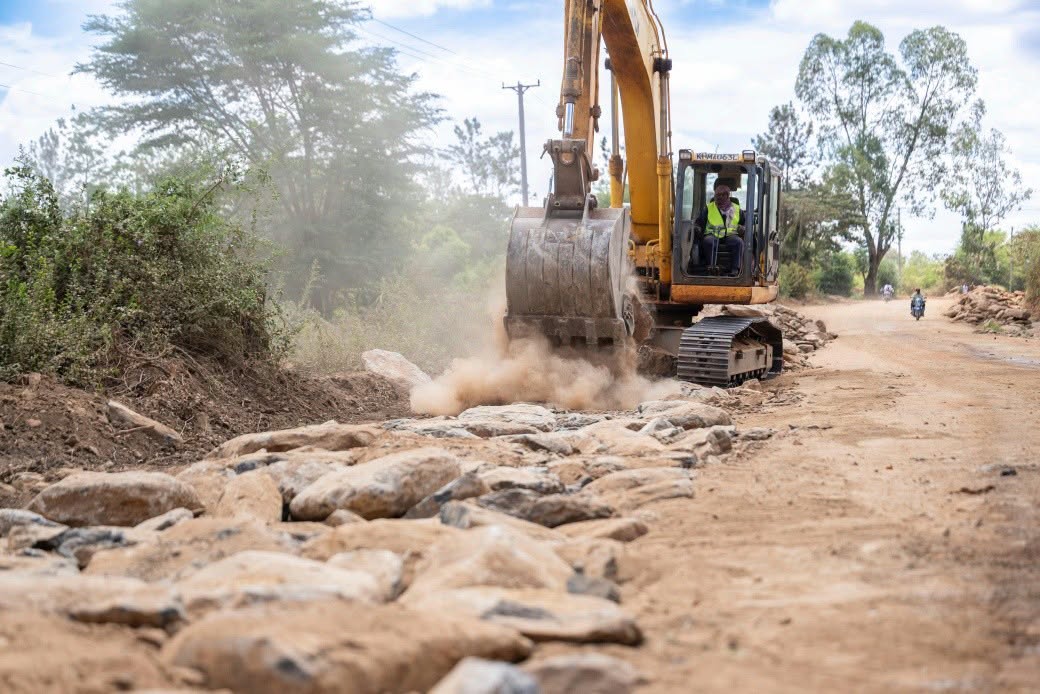
- The Government is advancing the Kilang’ata–Tot–Kopasi and Barpello–Tot–Sigor–Marich road projects to improve connectivity across the Kerio Valley. These corridors are intended to ease the movement of people and goods and improve access to markets, schools, health facilities and other essential services.
The Kenya Kwanza Government’s Sustained Security Response
The Government launched Operation Maliza Uhalifu North Rift on 13 February 2023 to confront banditry and cattle rustling that had claimed lives, displaced families and disrupted livelihoods across the region. The police-led operation brought together the National Police Service, the Kenya Defence Forces, intelligence agencies, National Government Administration Officers and National Police Reservists under a coordinated response to armed criminal activity.
Deputy President H.E. Prof. Kithure Kindiki, who served as Cabinet Secretary for Interior and National Administration when the operation began, led the Ministry’s response to the crisis. He coordinated security deployments, visited affected areas and engaged officers and local leaders on the measures required to protect residents, recover illegal firearms and stolen livestock, and restore Government services.
The Government designated affected locations in parts of Baringo, Turkana, West Pokot, Elgeyo-Marakwet, Samburu and Laikipia as disturbed and dangerous, enabling security agencies to undertake targeted operations against armed groups. A curfew was imposed in specified areas as officers pursued criminals and worked to protect communities from further attacks.
The operation required security personnel to reach remote areas where armed groups had established hideouts and where difficult terrain had constrained access. The National Police Service led the deployments with support from the Kenya Defence Forces, while National Government Administration Officers, chiefs and local leaders supported coordination and engagement with communities.
The initial phase of the operation produced measurable security and education gains:
- Security agencies recovered 172 illegal firearms by December 2024, removing weapons held outside the law and used to threaten communities. The recovery exercise formed part of a wider effort to disarm armed groups and prevent attacks on residents and security personnel.
- Security operations led to the arrest and prosecution of 250 suspects by December 2024, including 14 political leaders. The action targeted people suspected of participating in or supporting banditry and livestock theft.
- The Government allocated KSh100 million for the rehabilitation of 34 schools among 39 institutions identified as having closed because of banditry-related violence and displacement. The investment supported the restoration of facilities needed for learners and teachers to return.
- A total of 26 schools had reopened and at least 4,000 children had returned to learning by December 2024. Security deployments and rehabilitation work supported the return of children to classrooms in communities where attacks had interrupted education.
- National Police Reservists worked alongside regular security personnel to protect residents and their livelihoods, drawing on their knowledge of local terrain and communities. The Government took steps to train and equip reservists and support their welfare as part of the operation.
Strengthening the operation under CS Kipchumba Murkomen
Interior and National Administration Cabinet Secretary Kipchumba Murkomen has continued to advance the Government’s response through security deployments, coordination with affected counties and direct engagement with communities. The Ministry has also pursued the restoration of schools and the expansion of infrastructure to support the security gains and create opportunities for residents.
The measures undertaken under CS Murkomen have extended the operation’s reach and strengthened the engagement of residents, local leaders and security personnel:
- A second phase of Operation Maliza Uhalifu was launched in March 2025, with a command centre established at Kirimon in Laikipia County. The new centre supports operations in Laikipia and neighbouring areas, complementing the command base at Chemolingot in Baringo County and strengthening coordination in areas facing emerging threats.
- The Interior CS joined senior security leaders in Baringo on 26 March 2025 to assess the operation and address attacks affecting the county. The engagement brought security commanders and National Government Administration Officers together to examine the response and the protection required by affected communities.
- The Chemolingot-based operation recovered 17,000 livestock by May 2025, safeguarding animals that represent food, income and household wealth for pastoralist families. Security personnel also recovered 200 firearms and arrested more than 200 suspects in the Kerio Valley through operations coordinated from the base.
- Jukwaa la Usalama forums have brought security leadership into direct engagement with residents and local leaders. The Laikipia forum on 31 July 2025 brought together the Interior CS, the Inspector-General of Police, residents, local leaders and National Government Administration Officers to address security concerns and strengthen cooperation.
- The voluntary surrender of illegal firearms has been pursued through community engagement. At Tambach Teachers Training College in Elgeyo-Marakwet in July 2025, the Interior CS called on residents holding illegal firearms to surrender them, supporting the Government’s work to prevent attacks and remove unlawful weapons from communities.
- School rehabilitation has remained part of the security and peace programme. The Government opened rehabilitated classrooms at Ngarachi Comprehensive School in Laikipia on 1 April 2025, with the project forming part of a programme covering nine schools in the county.
- Road and electricity investments are being advanced alongside security interventions. On 13 October 2026, the Interior CS joined the launch of the Kipsaraman–Kinyach Road and the flag-off of the Baringo North Last Mile Electricity Connectivity Project, bringing development investment into the Government’s work in the Kerio Valley.
The Ministry continues to strengthen the security presence in affected areas through the deployment of National Police Reservists and the establishment of additional security installations. These measures formed part of the Interior CS’s engagement with the National Assembly’s Departmental Committee on Administration and Internal Security on 7 October 2026.
Restoring Education And Protecting The Future Of Children
The Government has made the restoration of education a priority in the North Rift, where banditry and cattle rustling had forced schools to close and exposed learners and teachers to attacks. Security deployments and the rehabilitation of learning facilities have enabled affected institutions to reopen, giving children an opportunity to return to their classrooms and continue their education.
The disruption faced by families was evident in 2022, when more than 50 schools in the Kerio Valley had closed following bandit attacks. Some schools remained inaccessible because of the security threat, while others required rehabilitation after periods of closure and displacement. The danger also affected national examinations, with some candidates sitting their papers at alternative centres.
The closure of a school affects children’s learning and the wider community that depends on it. Parents must find ways to keep their children safe and sustain their education, while teachers face difficult decisions about returning to areas affected by violence. Restoring security and reopening schools therefore form part of the Government’s commitment to protect children and extend development opportunities to affected families.
The response under Operation Maliza Uhalifu North Rift has brought together security agencies, education officials, National Government Administration Officers and local communities. Their work has included the protection of learning institutions, assessment of damaged facilities and rehabilitation of classrooms and other infrastructure required for schools to operate.
Reopening schools and rehabilitating facilities
The Government committed resources to restore institutions affected by banditry-related violence and displacement, with security personnel supporting both the protection and rehabilitation of schools. The investment has enabled learners and teachers to return to institutions that had been closed or damaged.
The education response has delivered progress through the following interventions:
- A total of 26 schools had reopened and at least 4,000 children had returned to learning by December 2024. The reopening followed security operations and rehabilitation work in affected communities, restoring access to education for families whose children had been out of school.
- The Government allocated KSh100 million to rehabilitate 34 schools among 39 institutions identified as having closed because of banditry-related violence and displacement. The investment supported the restoration of school facilities and the preparation of institutions to receive learners.
- The Kenya Defence Forces supported the rehabilitation of affected schools under Operation Maliza Uhalifu, contributing personnel and engineering capacity to the restoration of learning facilities. The work was undertaken alongside the security operation in communities where violence had disrupted education.
- Cheptulel Boys Secondary School in West Pokot resumed learning after three years of closure caused by insecurity. The reopening restored access to the institution for learners and families who had faced prolonged disruption to education.
- President William Ruto opened rehabilitated classrooms at Ngarachi Comprehensive School in Laikipia on 1 April 2025. Kenya Defence Forces engineers worked with private partners on the project under Operation Maliza Uhalifu, as part of a rehabilitation programme covering nine schools in the county.
- Four schools in Laikipia West were rehabilitated and commissioned in September 2025, covering Mahua Primary School, Kamwenje Primary School, Milimani Primary School and Nyakinyua Comprehensive School. The Kenya Defence Forces undertook the rehabilitation under Operation Maliza Uhalifu.
Keeping learners and teachers safe
The reopening of schools requires continued protection for learners, teachers and families living in areas affected by banditry. Security personnel and National Government Administration Officers work with education officials and local leaders to identify concerns affecting institutions and support learning in affected communities.
The Government’s engagement with residents also recognises the role of parents, elders and community leaders in protecting schools and encouraging children to return to learning. During a Jukwaa la Usalama forum in Lodwar in July 2025, Interior and National Administration Cabinet Secretary Kipchumba Murkomen affirmed the Government’s commitment to rebuilding schools affected by banditry and restoring education as part of the peace and security programme.
Reviving Livestock Trade And Protecting Household Incomes
Livestock keeping supports livelihoods across the North Rift, providing families with food, income and resources to educate their children and meet other household needs. The protection of animals and the reopening of livestock markets have therefore formed part of the Government’s response to insecurity and its commitment to expand economic opportunities under the Bottom-Up Economic Transformation Agenda (BETA).
Bandit attacks and cattle rustling deprived families of livestock accumulated over many years, exposing pastoralist households to loss of income and disrupting trade across affected areas. The insecurity also affected traders, transporters and businesses that depend on the movement and sale of animals.
The Government’s security operations have supported the recovery of stolen livestock, while engagement with local leaders and communities has helped create conditions for markets to resume business. These measures are strengthening the livestock economy and supporting families whose livelihoods depend on the sector.
The interventions have focused on protecting animals, recovering stolen livestock and restoring opportunities for trade:
- Security personnel attached to the Chemolingot command base had recovered 17,000 livestock by May 2025, following operations in the Kerio Valley. The recovery of stolen animals addresses a direct economic loss for pastoralist households and supports the protection of family wealth.
- The Loruk and Nginyang livestock markets have resumed business, restoring trading opportunities for pastoralists and livestock dealers. The markets had been closed over links to trade in stolen animals, and their reopening allows legitimate livestock trade to take place in the affected areas.
- Security agencies continue to pursue livestock thieves and recover stolen animals, working with National Government Administration Officers, local leaders and residents. Community cooperation supports the identification of threats and the recovery of animals following raids.
- The Government is advancing road projects that will improve access to markets, including the Kilang’ata–Tot–Kopasi and Barpello–Tot–Sigor–Marich corridors. Improved connectivity is intended to ease the movement of livestock, traders and goods and link communities to essential services.
- The deployment of National Police Reservists and establishment of additional security installations are supporting the protection of affected communities, including households whose livelihoods depend on livestock. Security personnel work alongside local administration and residents to respond to threats in areas exposed to banditry.
The reopening of markets also supports transporters, food vendors and other businesses that serve livestock owners and traders. The movement of animals and people through these trading centres sustains economic activity and provides opportunities for families to earn an income.
Connecting Communities To Markets, Electricity And Opportunity
The Government is investing in roads and electricity across the North Rift to connect communities to markets, schools, health facilities and economic opportunities. These projects support the Bottom-Up Economic Transformation Agenda (BETA) by extending infrastructure to households and enterprises in areas where insecurity and limited connectivity have affected development.
The movement of livestock, farm produce and goods depends on roads that link communities to trading centres and neighbouring counties. The same routes support access to schools and health facilities and enable security personnel and other Government officers to reach residents in areas affected by banditry.
Electricity access is also receiving attention through investments targeting households and businesses in Baringo and Elgeyo-Marakwet. The projects are intended to support household activities, create opportunities for enterprise and extend services to communities across the two counties.
Road investments opening up the Kerio Valley
The Government is advancing road projects across the Kerio Valley to improve connectivity and support the movement of people and goods. The investments cover corridors linking communities in Baringo, Elgeyo-Marakwet and West Pokot, alongside routes that support access to areas affected by insecurity.
The road programme includes projects at different stages of development and implementation:
- The Kipsaraman–Kinyach road in Baringo North is receiving an allocation of KES 4.5 billion, with the Government advancing the approximately 55-kilometre project to improve movement in the area. President William Ruto inspected construction during his North Rift development tour on 13 October 2026, with plans to extend the connection towards Kapsowar in Elgeyo-Marakwet.
- The 124-kilometre Barpello–Tot–Sigor–Marich Pass road is being advanced across the Kerio Valley, linking areas in Baringo, Elgeyo-Marakwet and West Pokot. The project is being developed in sections, with land acquisition processes continuing for affected parcels in Elgeyo-Marakwet and West Pokot.
- The KES 5 billion Tot–Kilang’ata–Kopasi road project has resumed construction, supporting connectivity for communities along the Kerio Valley. The project began in 2021 and construction later stalled before work resumed.
- The Government has allocated resources to open and expand security roads in the Kerio Valley and parts of northern and upper eastern Kenya. The routes support access for security personnel and improve movement in areas where difficult terrain has affected operations and service delivery.
The road programme is being pursued through cooperation between security and infrastructure agencies. In July 2026, Interior and National Administration Cabinet Secretary Kipchumba Murkomen and Roads Principal Secretary Eng. Joseph Mbugua undertook a security assessment mission in the Kerio belt, bringing attention to security, service delivery and the development of road infrastructure.
Extending electricity to households
The Government is implementing last-mile electricity projects in Baringo and Elgeyo-Marakwet to extend connections to households across the two counties. The programme is being delivered through the Rural Electrification and Renewable Energy Corporation and forms part of the wider national effort to expand electricity access.
The investments flagged off during the North Rift development tour include:
- A KES 2.512 billion electricity programme covering Baringo and Elgeyo-Marakwet, targeting 12,304 households through 217 projects. The programme will extend electricity infrastructure to communities across the two counties.
- The KES 1 billion Baringo Last Mile Connectivity Project, which targets 3,329 households across the county. The project was launched during the President’s visit to Baringo on 13 October 2026.
- An allocation of KES 162 million for Baringo North, targeting 723 households under the county’s last-mile programme. The connections are intended to extend electricity access to homes in the constituency.
- A last-mile project targeting 1,655 households in Kapyego, Elgeyo-Marakwet, with an investment of approximately KES 416 million. The project formed part of the electricity programme flagged off during the North Rift tour.
The launch of the Kipsaraman–Kinyach road project and the flag-off of the Baringo North electricity programme brought together the Government’s security and development agenda in Kinyach. Interior CS Kipchumba Murkomen joined the engagement on 13 October 2026, highlighting the importance of investment in communities working with the Government to address banditry and cattle rustling.
Bringing Communities Together For Lasting Peace
The Government’s security response in the North Rift has placed communities at the heart of efforts to restore peace, recognising the role of residents, elders, chiefs and local leaders in addressing the violence that has affected their families and livelihoods. Their participation strengthens the relationship between security agencies and the people they serve, while creating opportunities to resolve concerns affecting neighbouring communities.
The effects of banditry and cattle rustling have extended across villages, grazing areas, schools and markets, requiring engagement with the people who live and work in those areas. Residents have knowledge of local routes, security threats and community relationships that supports the work of officers deployed under Operation Maliza Uhalifu North Rift.
National Government Administration Officers have provided a link between communities and security agencies, coordinating public engagements and communicating concerns raised by residents. County commissioners, deputy county commissioners, chiefs and assistant chiefs work with local leaders to support dialogue, share information and mobilise communities around the protection of lives and livelihoods.
Giving communities a voice in security
The Ministry of Interior and National Administration has held security forums in affected counties to bring residents into direct engagement with Government and security leadership. The forums provide a platform for pastoralists, traders, young people, elders and other residents to raise concerns affecting their safety and economic activities.
The engagements have addressed the recovery of illegal firearms, the protection of schools, livestock theft and the security presence required in affected areas:
- The Jukwaa la Usalama forum in Laikipia on 31 July 2025 brought together Interior and National Administration Cabinet Secretary Kipchumba Murkomen, Inspector-General of Police Douglas Kanja, residents and local leaders. The engagement in Nanyuki provided an opportunity to assess security in the county and discuss concerns affecting communities alongside police officers and National Government Administration Officers.
- A security forum at Tambach Teachers Training College in Elgeyo-Marakwet addressed the continued possession of illegal firearms. During the July 2025 engagement, the Government called on residents holding unlawful weapons to surrender them as part of the effort to prevent attacks and strengthen peace.
- Chiefs and assistant chiefs from Tiaty East met the Operation Maliza Uhalifu team at the multi-agency command centre in Chemolingot in September 2025. Their discussions addressed the surrender of illegal firearms, school attendance and the role of public awareness in supporting peace across affected communities.
- Security teams engaged local leaders and residents across Baringo and Elgeyo-Marakwet in September 2025, bringing together the Kenya Defence Forces, the National Police Service, the Directorate of Criminal Investigations, the National Intelligence Service and National Government Administration Officers. The engagements supported coordination between agencies and communities on security concerns in the two counties.
Working with elders, young people and local leaders
The Government’s peace efforts have involved people who hold influence and responsibilities within their communities, including elders, religious leaders, young people and local administrators. Their engagement helps bring different perspectives into discussions on security and the pressures affecting households in the region.
The Kenya Defence Forces held a series of community engagements in Ol Moran, Riongo and Suguta Valley in March 2025, bringing together elders, young people, local leaders, religious leaders and security personnel. The meetings addressed the factors contributing to banditry and the need for cooperation among communities and agencies working to restore peace.
The engagement in Ol Moran also included the distribution of food and water and a medical camp, bringing services to residents alongside discussions on security. The activities were undertaken by Kenya Defence Forces personnel working with Caritas and the Health Wise Foundation.
The operation has also used sport to bring communities together. The four-day Operation Maliza Uhalifu North Rift Sports for Peace Tournament concluded on 24 August 2025, bringing participants together around an activity intended to support reconciliation and peaceful relations. Interior CS Kipchumba Murkomen attended the closing ceremony alongside security leadership and participants from the region.
Bringing Government Services Closer To Communities
The Government is strengthening national administration in the North Rift to bring services closer to communities and improve coordination in areas affected by insecurity. The establishment and operationalisation of administrative units supports the deployment of Government officers, gives residents easier access to administration services and strengthens the local structures responsible for security and development.
Families in remote parts of the region have faced long journeys to reach Government offices, while difficult terrain and insecurity have affected access to some communities. The expansion of administration structures is intended to improve the Government’s presence and enable officers to respond to local needs through offices located closer to residents.
The State Department for Internal Security and National Administration is advancing this work through the operationalisation of sub-counties, divisions, locations and sub-locations, supported by the deployment of National Government Administration Officers. The officers coordinate Government functions at the grassroots and work with security agencies, local leaders and communities on matters affecting public safety and service delivery.
Establishing administration closer to residents
The launch of Kolowa Sub-County in Tiaty Constituency, Baringo County, on 24 July 2026 marked an addition to the Government’s administration structures in the Kerio Valley. Interior and National Administration Cabinet Secretary Kipchumba Murkomen presided over the launch during a security assessment mission in the region.
The new sub-county is intended to strengthen security coordination and bring Government services closer to residents in an area that has experienced years of insecurity and limited access. A Civil Registration Services Centre in Kolowa provides residents with access to registration services closer to their communities.
The Government has taken further steps to strengthen administration and equip officers working across the region:
- Three sub-counties, two divisions, nine locations and 25 sub-locations have been operationalised in Baringo County, expanding the structures through which Government coordinates administration and service delivery.
- Chiefs across nine sub-counties received motorcycles during the Kerio belt security assessment mission, supporting their mobility as they carry out administration and security duties in their areas.
- Police stations and Directorate of Criminal Investigations units received desktop computers to support their work and strengthen service delivery. The equipment was distributed during the mission at which Kolowa Sub-County was launched.
- Youth teams in each of the nine sub-counties received sports kits, supporting activities intended to bring young people together and contribute to peacebuilding in their communities.
Strengthening grassroots administration
Principal Secretary for Internal Security and National Administration Dr Raymond Omollo has guided the operationalisation of gazetted administrative units as part of the Government’s work to improve access to services and strengthen security coordination at the grassroots.
The Government had operationalised more than 1,800 administrative units nationwide, including 74 sub-counties, by July 2026. These structures support the deployment of officers who coordinate Government programmes, engage communities and work with security agencies to address local concerns.
The administrative expansion also supports the work of chiefs and assistant chiefs as points of contact for residents seeking assistance from Government. Their proximity to communities strengthens information sharing and enables concerns affecting security, access to services and local development to reach the relevant authorities.
Securing The North Rift For Shared Prosperity
The Kenya Kwanza Government’s work in the North Rift is addressing a security challenge that has affected communities across generations, with sustained operations supporting the protection of lives, the reopening of schools and markets, and the recovery of livestock and illegal firearms.
The progress since the 2022 baseline has given children an opportunity to return to learning, pastoralists and traders access to markets, and communities a stronger Government presence. Road, electricity and administrative investments are extending services and opening opportunities for households and enterprises across the region.
President Ruto’s Government remains committed to sustaining security operations, working with communities and advancing development across the North Rift. Through the Bottom-Up Economic Transformation Agenda, these interventions are supporting families to rebuild their livelihoods, participate in economic activity and share in Kenya’s prosperity.
