
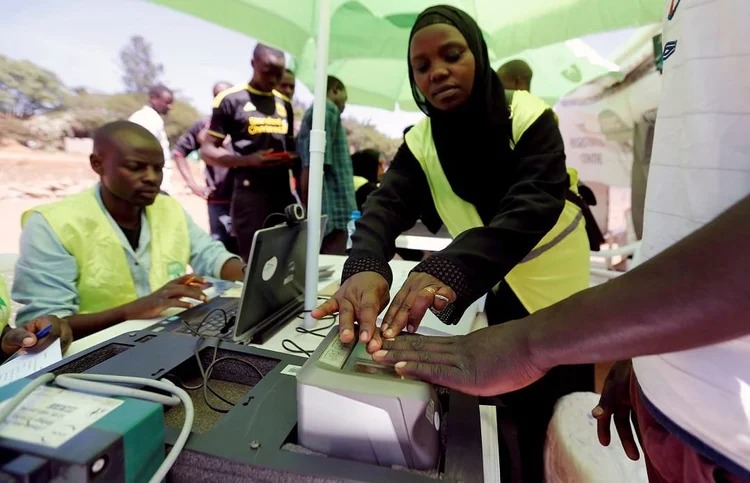
Securing Kenya before, during and after the 2027 General Election means protecting every citizen’s right to participate peacefully while safeguarding homes, businesses and livelihoods throughout the electoral period. The Ministry of Interior and National Administration is advancing these preparations under Hon. Kipchumba Murkomen, alongside Principal Secretary for Internal Security and National Administration Dr. Raymond Omollo, through institutional coordination and a National Police Service roadmap containing 28 activities across six phases, running from September 2026 to December 2027.
The 16 month roadmap aligns security preparations with IEBC’s Election Operations Plan 2025–2027, organizing responsibilities around the requirements of the electoral process. Its six phases cover stakeholder engagement, preparatory work, operational planning, training and readiness, election operations and post election review. This framework places preparations for campaigns, polling and the period following the declaration of results within a continuous planning process.
The protection required throughout these stages reaches into the everyday lives of citizens. Political participation takes place within communities where people also work, trade, travel and raise families. Security preparations must protect attendance at political meetings and access to polling stations while supporting the safety of neighborhoods, business premises and the services households depend on.
The Ministry has outlined plans to train more than 200,000 officers on electoral processes, relevant laws and their responsibilities in securing the election. This planned training supports the professional knowledge required for electoral duties, public order management and protection of constitutional rights. Operational readiness includes understanding the limits and responsibilities attached to the exercise of police authority.
The roadmap addresses these requirements through practical areas of preparation.
- Protection of peaceful participation places voters, candidates and electoral personnel within the security planning process. Citizens require an environment free from intimidation and violence when exercising their political rights. The National Police Service has committed to political neutrality, professionalism, respect for human rights and equal protection throughout its election security operations.
- Preventive policing and local risk assessment support intervention before threats disrupt community life. Preparations include intelligence gathering, hotspot assessment and engagement with communities. These activities inform attention to organized criminal gangs, political incitement, misinformation and communal tensions identified among the risks to electoral security.
- Security for electoral personnel, materials and facilities supports the orderly conduct of voting and tallying. Arrangements cover IEBC personnel, election materials, polling stations and tallying centers. Protecting these elements supports officials in performing their duties safely and citizens in participating peacefully.
- Professional public order management protects people attending political activities and those continuing their daily routines. Planning and training address the responsibilities arising around public gatherings and electoral operations. The protection of citizens, property and lawful political activity remains part of the duty entrusted to security personnel.
- Preparedness extending through December 2027 keeps the period following the polls within national security planning. Counting, declaration of results and the subsequent period require continued institutional attention. Post election review provides a process for examining operations and identifying improvements requiring action.
The implementation of these preparations includes engagement with the commanders responsible for police operations. Senior officers met at the National Police Leadership Academy in late October to examine election readiness, command coordination and professional public order management, addressing how national planning informs responsibilities within police formations.
The Election Security Arrangement Programme supports cooperation beyond the police service through engagements involving IEBC, investigative and prosecution institutions, oversight bodies and other stakeholders. Joint assessments, early warning arrangements and coordinated responses help organize institutional responsibilities across registration, nominations, campaigns, polling and tallying.
The commitment to preparedness throughout the electoral cycle featured in Hon. Murkomen’s November 9 engagement with international partners, where he outlined preparations covering campaigns, voting, counting, declaration of results and the post election period. Within the Ministry, Dr. Omollo’s responsibilities for security policy implementation and intergovernmental coordination support the institutional work accompanying these preparations.
The economic interests involved in this work extend across the priorities of the Bottom Up Economic Transformation Agenda. Farmers require access to markets, small enterprises depend on supplies and customers, and workers need safe movement between home and employment. Maintaining security throughout the electoral period supports these productive activities alongside citizens’ freedom to participate in political life.
Preventing Violence and Protecting Communities Before the Elections
The Ministry of Interior and National Administration’s preparations before polling focus on identifying threats, protecting public gatherings and strengthening the coordination required to keep communities safe as political activity increases. Preventive policing, local risk assessment and community engagement form part of this work, directing attention to conditions that threaten peaceful participation and everyday economic activity.
The National Police Service’s assessment identifies organized criminal gangs, political incitement, communal tensions and misinformation among the risks requiring action. Police recorded 1,316 arrests of suspected gang members between September 2025 and August 2026, demonstrating enforcement activity relevant to the wider security environment. These are arrests of suspects, with criminal responsibility subject to investigation and judicial determination.
Enforcement forms one part of preparedness alongside the assessment of vulnerable locations and engagement with communities. Local information helps identify concerns affecting political gatherings, neighborhoods and trading centers, while coordination establishes which institutions hold responsibility for assessment, intervention and follow-up. This work supports the protection of people attending political events and residents continuing their daily activities in the surrounding areas.
The preparations address several requirements for preventing disruption before the election.
- Risk assessment directs security attention to the conditions affecting particular locations and activities. Hotspot mapping and intelligence gathering inform planning around identified threats. The public purpose is to organize protection according to security needs, including the safety of residents, participants and business premises in areas hosting political activity.
- Community engagement brings local concerns into institutional assessment. Residents, community representatives and peace structures hold information about tensions affecting coexistence. Engagement supports the identification of issues requiring attention and gives institutions an opportunity to explain their responsibilities in maintaining public safety.
- Command coordination organizes the response when incidents involve several police formations or administrative areas. The late October meeting of senior police commanders at the National Police Leadership Academy addressed electoral preparedness, operational responsibilities and cooperation. These preparations support clarity over the leadership and communication required during security operations.
- Professional policing protects lawful participation throughout preventive and enforcement work. Political neutrality, respect for human rights and equal protection remain commitments governing the National Police Service’s election preparations. Security action must follow the law and address criminal conduct through the appropriate investigative and judicial processes.
The Election Security Arrangement Programme is taking these institutional requirements into stakeholder engagements that examine practical experience from previous elections. During the October 16 Kajiado and Nairobi cluster roundtable, participants reviewed implementation of the 2022 election security arrangements and agreed on the need to strengthen coordination, early warning and communication ahead of 2027.
The roundtable also called for closer cooperation with peace committees and structured meetings to monitor implementation milestones, assess emerging risks and agree on mitigation measures. This gives continuing assessment a place within preparedness, supporting adjustments as electoral activities develop and local conditions change.
The Ministry’s national administration responsibilities provide an important setting for this local coordination. Under The State Department of Internal Security and National Administration portfolio, security policy implementation and intergovernmental coordination support engagement across administrative levels, alongside the responsibilities exercised through the police and electoral institutions. Clear institutional responsibilities help organize the referral and handling of concerns affecting community safety.
The same preparatory work includes attention to the personnel carrying out demanding electoral assignments. Stakeholders at the October roundtable identified training, accurate communication and psychosocial support as requirements for staff welfare and readiness, recognizing the professional demands placed on officers and other personnel throughout election operations.
Protecting Voters and the Electoral Process During Polling and Tallying
Security preparations for polling and tallying organize the protection of voters, electoral personnel, materials and facilities throughout the voting and results process. Coordination between the National Police Service and IEBC addresses the requirements at polling stations and tallying centers, supporting peaceful participation and the safe performance of electoral duties.
The responsibilities governing this protection are established in Chapter 53 of the National Police Service Standing Orders, which assigns security officers duties covering polling, counting, election officials and the transportation of materials and equipment. The Presiding Officer supervises electoral activities within the polling station, with assigned police officers assisting under that officer’s direction.
This allocation of responsibility preserves IEBC’s authority over electoral administration while directing security personnel toward protection and public order. Election officials administer voting and results procedures, and police safeguard the people, premises and materials involved. Training and operational preparation must reinforce these duties so that officers understand their responsibilities throughout the process.
The protection required follows the sequence of electoral activities from voters arriving at polling stations to officials completing counting and tallying.
- Safe access to polling enables citizens to exercise their political rights without intimidation or violence. Security arrangements must maintain order around electoral facilities and protect peaceful participation. Impartial conduct and equal protection apply to every voter, regardless of political affiliation or preference.
- Protection of electoral personnel enables officials to carry out their duties throughout voting and counting. Their work includes administering procedures, documenting results and handling sensitive materials. Security must remain attentive to these responsibilities as the process moves from polling into subsequent electoral operations.
- Security of election materials covers transportation, use and handling within electoral facilities. Police commanders and electoral officials coordinate the protection required along this sequence. Safeguarding materials and equipment supports the orderly conduct of procedures and the preservation of election records.
- Continued protection during counting and tallying maintains attention on the work remaining after voting closes. Officials, authorized participants and facilities holding election materials require security throughout these activities. Operational planning must account for their duration and the responsibilities arising at each stage.
The standards guiding these arrangements are set out in Article 81 of the Constitution, which requires elections free from violence, intimidation, improper influence and corruption, administered impartially and transparently. Article 86 places responsibility on IEBC for secure and accountable voting arrangements, accurate counting and collation, and safeguards for election materials.
IEBC’s Election Operations Plan 2025–2027 provides for security needs assessments, risk maps, coordination arrangements and training for electoral and security personnel. These planned activities identify requirements before deployment and inform the preparation needed for officers and officials to perform their respective duties.
Reliable communications also form part of operational readiness, allowing institutions to coordinate activities and exchange essential information. The Communications Authority is working with mobile network operators on coverage and reliability, including areas where polling stations face connectivity gaps. Its preparations include continuous cybersecurity monitoring of threats affecting electoral systems and critical information infrastructure.
Public access to accurate information accompanies these operational requirements. The Media Council of Kenya has emphasized journalist safety, impartial reporting and verification within election preparedness. Respect for the lawful work of accredited journalists, alongside adherence to professional reporting standards, supports informed public understanding as voting, counting and tallying proceed.
Protecting Communities and Livelihoods After the Elections
Security responsibilities continue after voting as electoral officials complete results procedures, citizens respond to outcomes and any disputes proceed through the courts. National preparations cover this period through the election security roadmap extending to December 2027, maintaining attention on the protection of communities, property and essential services beyond polling day.
The public interest during this period includes safe movement, continued trading and access to healthcare, transport and employment. Families require confidence that political disagreement will receive lawful institutional attention while their homes and livelihoods remain protected. Security planning must address these responsibilities alongside the protection of electoral personnel and materials as officials complete their work.
The constitutional framework provides defined procedures for challenging results, giving electoral grievances an established route for examination. Under Article 140, a presidential election petition must be filed within seven days after declaration of the results, and the Supreme Court must hear and determine it within 14 days after filing. These timelines govern presidential petitions, while other election disputes follow their applicable legal procedures.
The protection required while these processes unfold includes several continuing responsibilities.
- Community safety requires attention to intimidation, threats and criminal conduct following the declaration of results. Equal protection applies to residents regardless of political affiliation, ethnicity or perceived voting preference. Security personnel must address unlawful conduct through established procedures while respecting the rights of citizens throughout the response.
- Continued access to livelihoods requires protection of people, business premises and property. Traders need to reach their premises, workers need safe movement and farmers depend on access to markets. These everyday interests remain part of the duty to maintain public safety throughout the electoral period.
- Lawful expression requires professional public order management. Article 37 of the Constitution protects peaceful and unarmed assembly, demonstrations, picketing and presentation of petitions. Security operations must uphold these rights alongside the protection of people and property, applying the law to specific conduct and circumstances.
- The completion of electoral duties requires continued protection of officials, facilities and records. Results procedures and the handling of materials extend beyond voting. Security responsibilities must remain aligned with the lawful work of electoral institutions throughout these stages.
- Access to justice requires respect for the independence and authority of the courts. Parties challenging outcomes have legal procedures through which to present evidence and seek determinations. Judicial proceedings must take place without intimidation or interference, while security institutions continue their public protection responsibilities.
Preparations for electoral justice are advancing alongside the wider security planning. In October, the Judiciary announced a phased Election Dispute Resolution training programme targeting more than 400 judges, judicial officers and relevant personnel, following specialized preparation involving approximately 40 trainers. The programme addresses electoral law, petitions, scrutiny, digital evidence and case management within prescribed timelines.
Accurate communication also supports citizens during the period when results and court proceedings attract intense public attention. Electoral institutions hold responsibility for official electoral information, while the Judiciary communicates on matters within its jurisdiction. Clear institutional communication helps citizens distinguish verified decisions and procedures from claims circulating through informal channels.
The roadmap’s post election review provides for examination of operations and identification of improvements requiring institutional action. Reviewing coordination, professional conduct and response arrangements supports accountability for the duties performed throughout the electoral period and informs subsequent preparedness.
Protecting Citizens From Incitement and False Election Information
Election security preparations include protecting the information environment through which citizens follow campaigns, understand electoral procedures and receive results. Verified information supports informed participation, while timely institutional communication helps address false claims that create confusion or tension within communities.
The Communications Authority has established a broadcast monitoring facility equipped with nine workstations, with logging systems capturing content from 261 radio stations and 99 television channels. The facility is designated to serve as a situation room during the election period, supporting trained personnel in identifying content involving hate speech, incitement and misinformation.
This preparedness forms part of a wider institutional effort involving the National Cohesion and Integration Commission, the Media Council of Kenya, electoral authorities and security institutions. Each carries responsibilities within its mandate, combining attention to unlawful conduct with professional reporting, accurate electoral information and community cohesion.
The practical work addresses several concerns affecting citizens throughout the electoral period.
- Timely electoral information helps citizens understand procedures and distinguish official announcements from circulating claims. Information on polling arrangements, electoral decisions and results must come from the institutions responsible for those functions. Clear communication supports public understanding when competing accounts emerge online or through informal networks.
- Verification protects the public against fabricated recordings, images and messages presented as authentic political communication. The Media Council has identified artificial intelligence generated content, including manipulated audio and video, among the challenges requiring attention during election preparations. Professional verification and fact checking support accurate reporting before such material receives wider circulation.
- Action against hate speech and incitement supports the safety of communities sharing neighborhoods, workplaces and markets. NCIC’s Uchaguzi Bila Noma initiative forms part of its work to promote peaceful elections and coexistence. Its engagement addresses divisive political messaging and ethnic mobilization that threaten relations among citizens.
- Journalist safety supports public access to information throughout electoral activities. Reporters require protection from intimidation and harassment as they carry out their lawful duties. Media institutions also carry responsibilities for impartial coverage, verification and adherence to professional standards.
The protection of this information environment must uphold constitutional freedoms throughout implementation. Article 33 protects freedom of expression and sets out its limits, including incitement to violence and hate speech. Article 34 protects media freedom, while Article 35 provides for access to information. Applying these safeguards preserves lawful political debate and subjects action against prohibited conduct to constitutional standards.
The public safety interests extend directly into household welfare and economic activity. Communities depend on trust to maintain trade, travel and working relationships across political differences. Accurate information and lawful action against incitement support those everyday interests as citizens participate in campaigns, await results and follow any subsequent court proceedings.
Upholding Impartial Policing and Public Accountability
Public confidence in election security depends on officers protecting citizens impartially and institutions accounting for the exercise of their powers. The preparations for 2027 must give practical effect to this responsibility through professional conduct, lawful decisions and accessible procedures for addressing complaints throughout campaigns, polling and the post election period.
The constitutional framework establishes clear responsibilities for security policy and police command. Article 245 places independent command of the National Police Service with the Inspector General. It permits lawful policy directions from the Cabinet Secretary responsible for police services, while protecting decisions concerning particular investigations and enforcement against particular people from external direction.
These provisions govern how national security priorities enter operational practice. Policy coordination establishes institutional objectives and preparedness requirements, while police commanders exercise their responsibilities within the law. Political affiliation has no place in determining a citizen’s entitlement to protection or the assessment of suspected criminal conduct.
The standards required during implementation extend across several areas affecting public trust.
- Impartial enforcement protects citizens regardless of political preference. Complaints and suspected offenses require assessment against the law and available evidence. The National Police Service’s election preparedness commitments include political neutrality and equal protection, applying the same professional responsibility to supporters, candidates and residents across communities.
- Professional conduct makes the protection of rights part of operational readiness. Article 244 requires discipline, professionalism, transparency, accountability and respect for human rights within policing. Training and supervision must translate these obligations into the decisions officers make when managing gatherings, responding to incidents and protecting electoral facilities.
- Independent oversight provides a route for examining allegations of police misconduct. The Independent Policing Oversight Authority receives public complaints and investigates matters within its mandate, including deaths and serious injuries arising from police action. Its responsibilities also include oversight of the handling of complaints within the police service.
- Accessible reporting allows citizens to seek examination of conduct affecting them. Complaints to IPOA include details of the incident, available evidence and information identifying the officers or witnesses involved. Citizens reach the Authority through the toll free number 1559 or complaints@ipoa.go.ke, providing a practical channel for raising concerns.
The handling of these complaints requires preservation of relevant information and cooperation with lawful investigations. Recording an allegation initiates a process whose outcome depends on examination of evidence and action from the responsible institutions. Accountability requires those processes to receive the attention necessary for the exercise of oversight and justice.
The same responsibility applies to public communication about security incidents. Accurate explanations of confirmed facts, institutional action and matters still under investigation help citizens understand the response without prejudicing proceedings. Clear communication also enables scrutiny of the commitments made during election preparations, including impartiality, professional conduct and protection of constitutional rights.
Sustaining Peace, Participation and Livelihoods Throughout the Elections
Securing the 2027 General Election carries a continuing responsibility to protect citizens as they campaign, vote, follow results and pursue any disputes through lawful institutions. The preparations underway bring electoral planning, preventive policing, officer readiness, community engagement and institutional accountability into the protection of these rights and activities.
The 28 activities within the national election security roadmap provide a framework for implementation, while cooperation among electoral, security, justice and oversight institutions supports the responsibilities arising throughout the process. Delivering these preparations requires sustained attention to local conditions, clear operational responsibilities and professional conduct wherever officers serve.
The public measure of this work rests in citizens’ everyday experience. Voters require safe access to electoral activities, families need protection within their communities, and enterprises depend on secure premises and functioning markets. Journalists require freedom to perform their lawful duties, while electoral personnel need the protection necessary to administer the process without intimidation or interference.
The protection of these interests also sustains the household welfare objectives of the Bottom Up Economic Transformation Agenda. Peaceful political participation and continued economic activity allow farmers, workers, traders and digital entrepreneurs to pursue their livelihoods throughout the electoral period. Security preparedness serves this national interest through impartial protection, respect for constitutional rights and accountable institutional action.
The responsibility continues after voting and declaration of results, with community safety, access to justice and continuity of essential services remaining within national planning. Maintaining that focus throughout the electoral cycle protects the conditions in which citizens exercise their democratic choices and continue building their lives across our country.
Protecting Participation and Access to Electoral Services
Election security preparations must address the circumstances that prevent citizens from participating safely, including intimidation, disability related barriers, geographical isolation and difficulty accessing accurate information. National protection requires attention to these conditions so that women, young people, persons with disabilities and marginalized communities receive appropriate consideration throughout electoral planning.
IEBC’s Election Operations Plan 2025–2027 provides for engagement with organizations serving marginalized groups and cooperation to strengthen participation among minority, pastoralist and nomadic communities. It also schedules youth dialogue forums and county election conferences, creating planned opportunities to identify participation concerns and bring them into institutional preparation.
The practical requirements differ across communities, making local assessment important to the protection of citizens and access to electoral activities.
- Persons with disabilities require security arrangements that respect dignity and lawful assistance. Assessment of access routes, crowd conditions and communication needs forms part of understanding the environment in which people participate. Security personnel must respect the procedures governing voter assistance and the authority of electoral officials administering them.
- Women participating as voters, candidates and election personnel require protection against intimidation and violence. Threats affecting attendance at meetings, campaigning or electoral duties require attention through the responsible institutions. Equal protection must extend to the settings in which women exercise their political rights.
- Young people require safe opportunities to participate in political life and clear information about electoral procedures. The planned youth dialogue forums provide a channel for engagement on participation concerns. Protection against coercion and involvement in criminal activity remains important alongside the preservation of lawful political expression.
- Pastoralist, nomadic and geographically isolated communities require planning informed by local conditions. Distance, mobility and communication needs affect access to information and electoral services. IEBC’s planned cooperation with institutions serving these communities supports identification of the arrangements requiring attention.
The collection of identity documents provides another practical area where national administration supports citizens’ access to services. On November 5, the State Department for Immigration and Citizen Services identified 557,930 uncollected national identity cards and enlisted chiefs and assistant chiefs to help trace applicants and facilitate collection.
This exercise addresses access to documents needed for public and private transactions, including the identification requirements involved in voter registration. Collection of an identity card and registration as a voter remain separate processes, with IEBC responsible for electoral registration. Accurate guidance must explain the steps citizens need to complete within the Commission’s requirements and timelines.
The role of local administration in this work carries a duty to serve residents impartially. Assistance with documents, referral of security concerns and communication of verified public information must remain accessible to eligible citizens across political preferences. This professional responsibility supports confidence in the officers who connect communities with national institutions.
The information gathered through community engagement must inform the relevant planning and referral processes. Concerns about physical access belong within electoral arrangements, allegations of criminal conduct require lawful assessment, and complaints about institutional behavior require the appropriate oversight channels. Clear assignment of these responsibilities gives practical substance to inclusive preparedness.
