
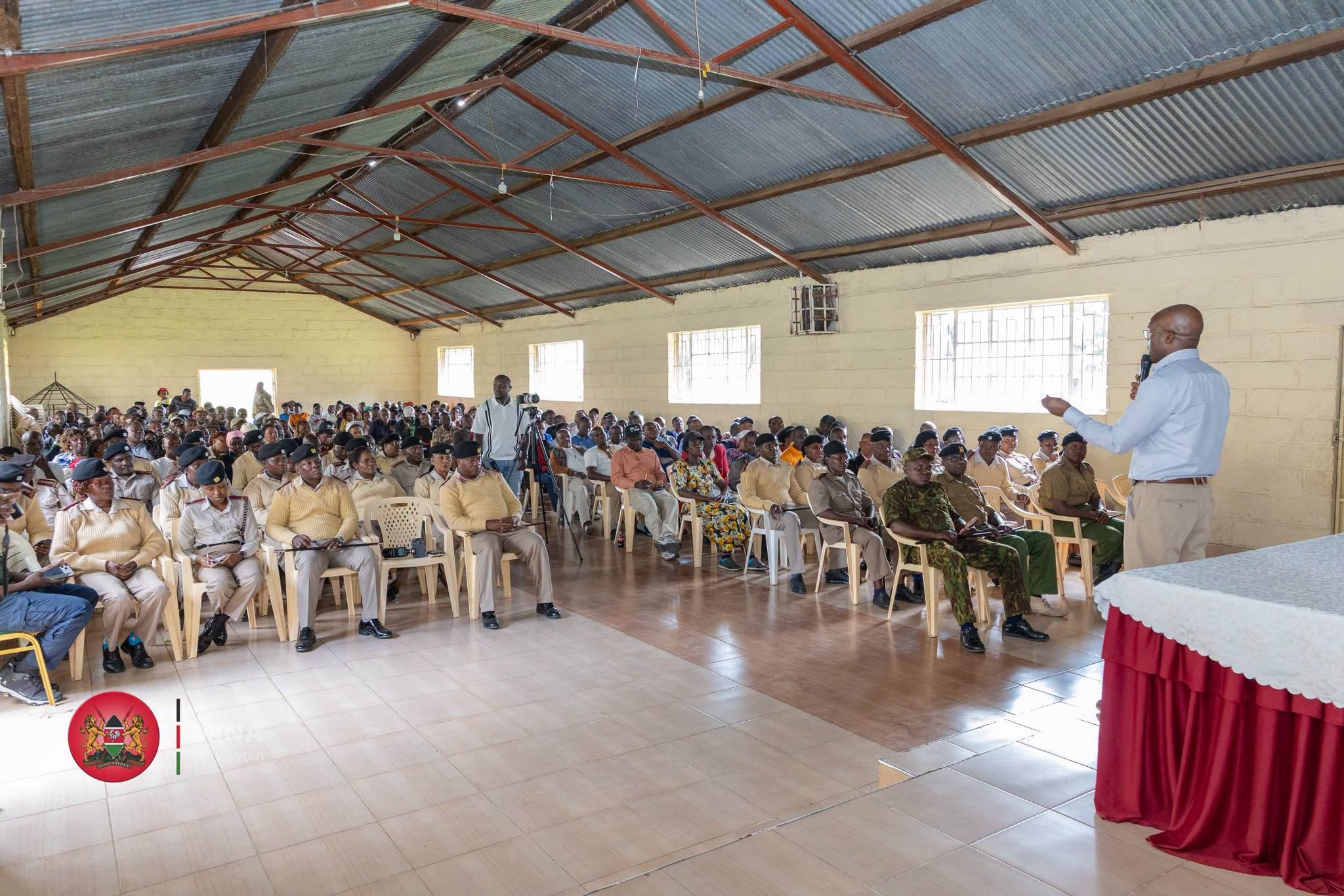
The Kenya Kwanza administration has operationalized over 1,800 administrative units nationwide, including 74 subcounties, giving communities across our country local points of contact for national government services and strengthening security coordination. Under President William Ruto’s leadership, the expansion advances the Bottom Up Economic Transformation Agenda by deploying officers to coordinate government programs, guide residents to the agencies responsible for specific services and follow up on issues raised within their jurisdictions.
The subcounties put into operation include Teso Central, Rachuonyo West, Suba West, Suba Central, Nyatike West, Nyatike South, Igoji, Kambu, Lokiriama, Aroo, Lokichogio, Shantaabaq and Eldas South. The rollout establishes subcounty points of contact where residents can seek administrative assistance and where officers can coordinate national government services, security and follow-up on community concerns.
In Mandera County, the Government operationalized Ashabito Subcounty in May 2025 and installed its first Deputy County Commissioner. The deployment gave Ashabito an officer responsible for coordinating national government functions within the subcounty and following up on matters that require the attention of public agencies.
The installation of the Assistant County Commissioner for Khwisero West Division in Kakamega County on November 5, 2026, marked a step in extending national government administration to communities in the division. The Principal Secretary for Internal Security and National Administration, Dr. Raymond Omollo, presided over the installation and broke ground for the construction of the divisional office. The Assistant County Commissioner will work with chiefs, assistant chiefs and relevant agencies to coordinate government services and address community concerns. Once completed, the office will give residents a designated place to seek administrative assistance and follow up on requests.
- In the 2024/2025 financial year, the Government prioritized 1,105 units for operationalization, comprising 24 subcounties, 88 divisions, 318 locations and 675 sublocations. The rollout covers four levels of national administration, with subcounty and divisional offices coordinating government functions and chiefs and assistant chiefs engaging residents directly at the location and sublocation levels.
- The Government considers population pressure, demand for public services, security concerns and minority representation when deciding which units to operationalize. These criteria guide the deployment of officers and the establishment of offices in areas where residents need a local point of contact with the national administration.
- Chiefs and assistant chiefs support delivery of the Bottom Up Agenda by helping residents obtain information on national programs, identify the agencies responsible for specific services and raise difficulties they encounter when seeking assistance. When a concern requires action from several offices, the Assistant County Commissioner can coordinate follow-up at the divisional level and bring the matter to the attention of the responsible agencies.
Putting Gazetted Administrative Units Into Operation
The Kenya Kwanza administration is putting into operation administrative units gazetted as far back as 2017. The rollout advances the Bottom Up Economic Transformation Agenda by deploying national government officers to serve communities within their local areas. It also establishes offices where residents can seek administrative assistance, raise security concerns and follow up on matters that require action from government agencies.
In April 2025, 4,468 gazetted administrative units were awaiting operationalization, comprising 45 subcounties, 291 divisions, 1,439 locations and 2,693 sublocations. The Government prioritized 1,105 units in the 2024/2025 financial year, including 24 subcounties, 88 divisions, 318 locations and 675 sublocations. The phased rollout takes into account demand for public services, staffing needs and the infrastructure available to support operations.
- The Government considers population pressure, security risks, distance, terrain and minority representation when deciding which units to put into operation. It also reviews administrative boundaries and existing facilities to determine where officers should be deployed. In geographically dispersed areas, the placement of an administrative office determines how far residents must travel to reach a public officer.
- The State Department for Internal Security and National Administration is preparing to recruit additional Assistant County Commissioners following clearance from the Public Service Commission. Eligible chiefs and assistant chiefs will be able to apply when the vacancies are advertised. The recruitment will support deployment to newly gazetted divisions, where Assistant County Commissioners coordinate national government functions and follow up on matters referred by chiefs and assistant chiefs.
- The Government advanced the rollout in Khwisero West Division, Kakamega County, on November 5, 2026. The Principal Secretary for Internal Security and National Administration, Dr. Raymond Omollo, presided over the installation of the division’s Assistant County Commissioner and broke ground for the divisional office. The officer will oversee national government administration in the division. Once completed, the office will give residents a permanent place to seek assistance and follow up on administrative matters.
- The rollout also serves communities at the sublocation level. In August 2026, the Government operationalized Pawteng’ Sublocation in Muhoroni Constituency, Kisumu County, and installed its Assistant Chief. The unit is expected to serve over 5,000 residents, giving them a local officer they can approach for administrative assistance, information on national government programs and referrals to the agencies responsible for specific services.
Connecting Communities to Public Services and Security Coordination
The Kenya Kwanza administration is strengthening the link between communities and the national government through the officers who serve at each level of local administration. When a resident raises a concern with a chief or assistant chief, the local administration can identify the agency responsible and refer the matter for action. Where a concern affects several locations or requires action from multiple agencies, the Assistant County Commissioner can coordinate follow-up at the divisional level. This structure supports the Bottom Up Economic Transformation Agenda by giving households a local point of contact for information and assistance on national government programs.
- The Government is formalizing the role of approximately 106,000 village elders to strengthen engagement at the village level. The program, launched on August 4, 2026, provides for a monthly stipend of KES 3,000. The State Department had processed 96,566 village elder records as of November 5, 2026. Village elders help bring community concerns to the attention of chiefs and assistant chiefs, giving the national administration a channel to hear directly from residents.
- Chiefs and assistant chiefs can help households navigate public programs by sharing information on eligibility, application procedures and where to seek assistance. When residents encounter difficulties with registration or access, local administrators can refer those issues to the implementing agency. This gives agencies responsible for Bottom Up programs a way to identify where residents need clearer information or assistance with accessing services.
- The expansion of divisional administration supports coordination on security matters that affect several communities. Chiefs and assistant chiefs can bring local concerns to the attention of the Assistant County Commissioner, who can engage the responsible security agencies and coordinate administrative follow-up. In Kisa West, Kakamega County, the Government has committed to providing a vehicle to the local police station before the end of 2026 to support police operations following concerns raised by residents and local leaders.
Giving Communities a Voice in How Government Reaches Them
The Ministry of Interior and National Administration is developing regulations to guide the creation of new administrative units, with public participation to take place before the proposals are submitted to the National Assembly. This process gives communities a role in shaping decisions that affect where they seek government assistance, which office serves them and how they bring local concerns to the attention of the national administration.
- Communities can explain how road access, terrain and public transport routes affect their ability to reach a proposed headquarters. A location that appears accessible on a map may require residents of outlying settlements to make several transport connections. Local input can help the Ministry assess proposed locations against the journeys residents actually make.
- Public participation gives minority and geographically dispersed communities a channel to raise concerns about how proposed boundaries would affect their access to services and representation. Residents can identify settlements that face difficulties reaching an administrative office and explain which service routes and public facilities they already use.
- Community input can help the Ministry assess whether a proposal addresses the service need that prompted it. Residents can identify the administrative matters they regularly need help with, the offices they currently visit and the obstacles they encounter. This gives the Ministry a practical basis for assessing what a proposed unit would deliver for the people it is intended to serve.
Conclusion
The Kenya Kwanza administration has put over 1,800 administrative units, including 74 subcounties, into operation across our country. The measure of this work is what it delivers for residents. A household seeking assistance should know which officer serves its area, where to take a concern and how to follow up. Communities should also have a voice in decisions about where administrative offices are located and whom they serve.
Under President William Ruto’s leadership, the Bottom Up Economic Transformation Agenda puts the needs of communities at the forefront of public service delivery. Putting gazetted units into operation gives effect to that commitment by placing officers within reach of residents and giving government agencies a direct channel to hear and act on local priorities.
