
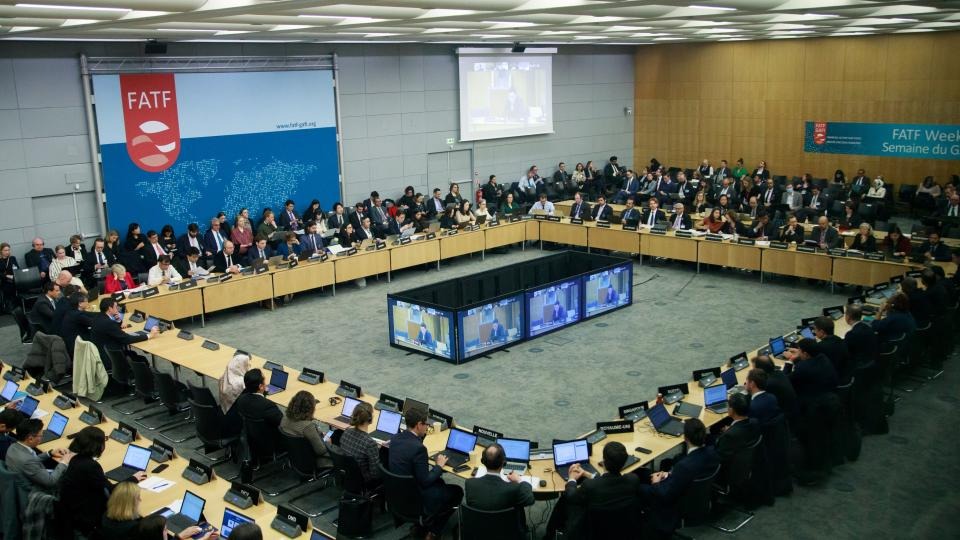
FATF’s 2026 Assessment Signals Progress Across Kenya’s Financial Integrity Framework
Recognition by the Financial Action Task Force in 2026 of Kenya’s progress in strengthening measures against money laundering, terrorism financing, and proliferation financing marks an important milestone in the country’s ongoing financial governance reforms. The acknowledgement follows a sustained programme of legislative, regulatory, supervisory, investigative, and institutional interventions implemented across government and the financial sector since Kenya entered the FATF Increased Monitoring process in February 2024. FATF’s latest assessment reflects progress achieved across several action areas identified during the monitoring period and provides an important indication of the country’s commitment to strengthening the integrity of its financial system.
The significance of the assessment extends beyond compliance with international standards. Kenya’s financial system serves as one of the largest and most interconnected financial ecosystems in Africa, facilitating domestic commerce, regional trade, international investment, remittances, government transactions, digital financial services, insurance activities, capital market operations, and cross-border payments. Protection of this ecosystem remains essential to economic growth, investor confidence, financial stability, national security, and public accountability.
Kenya’s Financial System by the Numbers
- KES 8.7 trillion annual mobile money transaction value
Kenya’s mobile money ecosystem remains one of the most advanced globally and continues to process transactions equivalent to a substantial share of national economic activity. Millions of payments linked to commerce, agriculture, education, healthcare, government services, transport, lending, savings, and investment move through digital financial platforms every year. Protection of these transactions from criminal abuse forms an important component of the country’s financial integrity agenda.
- More than 40 million active mobile money accounts
Access to digital financial services has transformed financial inclusion across all regions of the country. Millions of citizens and enterprises rely on mobile platforms to access financial products and services. Effective anti-money laundering controls contribute to confidence in these systems and support continued expansion of the formal financial sector.
- 39 licensed commercial banks managing assets exceeding KES 7 trillion
Kenya’s banking sector remains central to savings mobilization, credit creation, trade finance, investment facilitation, foreign exchange transactions, infrastructure financing, and business development. The scale of assets held within regulated institutions highlights the importance of strong supervisory and compliance frameworks capable of safeguarding the integrity of financial transactions.
- Customer deposits exceeding KES 5 trillion
Deposits held within commercial banks provide the foundation for lending, investment, liquidity management, and economic activity across the country. Public confidence in the financial system supports continued growth in deposits and strengthens the ability of institutions to finance productive sectors of the economy.
- Approximately USD 5 billion annual diaspora remittance inflows
Diaspora remittances remain among Kenya’s largest sources of foreign exchange earnings and continue to support education, healthcare, housing development, entrepreneurship, consumption, and investment activities. Secure financial channels are critical to maintaining confidence among remittance senders, recipients, financial institutions, and international payment partners.
Key Findings Emerging from FATF’s 2026 Assessment
- Progress recorded across multiple action areas under the Increased Monitoring framework
FATF’s latest assessment acknowledged efforts undertaken by Kenya to address strategic deficiencies identified during the monitoring process. Progress was recorded across areas relating to transparency, supervision, financial intelligence, investigations, sanctions implementation, institutional coordination, and broader anti-money laundering effectiveness measures.
- Implementation of reforms sustained across government institutions
Delivery of Kenya’s reform programme involved ministries, regulators, financial supervisors, intelligence agencies, investigators, prosecutors, tax authorities, customs administrators, company registration authorities, and reporting institutions. The breadth of participation demonstrates the scale of reforms required to strengthen the country’s financial crime prevention architecture.
- Continued implementation underway across remaining action areas
FATF’s assessment also highlighted the importance of sustaining implementation efforts across the remaining commitments under review. Ongoing reforms continue to focus on strengthening operational effectiveness, enhancing enforcement outcomes, improving transparency measures, increasing utilization of financial intelligence, and supporting investigations linked to financial crime.
Why the FATF Findings Matter
Financial crime remains a major global challenge due to the vast sums of illicit funds generated annually through corruption, fraud, cybercrime, tax offences, narcotics trafficking, environmental crimes, organized criminal activity, and terrorism financing. Criminal proceeds frequently move through banking systems, digital financial platforms, corporate structures, trade transactions, investment vehicles, property markets, and international payment networks. Governments therefore continue to strengthen mechanisms aimed at identifying suspicious activities, tracing financial flows, recovering illicit assets, and disrupting criminal enterprises.
Kenya’s position as a regional financial and commercial hub places particular importance on maintaining strong anti-money laundering and counter-terrorism financing controls. The effectiveness of these measures influences confidence among investors, correspondent banking partners, development finance institutions, multinational corporations, international lenders, and financial institutions participating in the country’s economy.
The progress acknowledged in the 2026 FATF assessment did not emerge in isolation. The findings reflect reforms undertaken following Kenya’s placement under Increased Monitoring in February 2024, a development that stemmed from deficiencies identified during the country’s Mutual Evaluation process. Understanding those deficiencies provides important context for appreciating the significance of the reforms implemented and the progress subsequently recognized under the FATF framework.
Part II: Understanding the Baseline — Why Kenya Entered the FATF Increased Monitoring Process
Progress acknowledged in FATF’s 2026 assessment can only be fully understood against the backdrop of the deficiencies that led to Kenya’s placement under the Increased Monitoring framework in February 2024. The decision followed extensive assessments conducted through the Mutual Evaluation process, which examined the effectiveness of Kenya’s anti-money laundering, counter-terrorism financing, and counter-proliferation financing framework. The review assessed not only the existence of laws, regulations, institutions, and policies, but also the extent to which those measures produced measurable outcomes in detecting, preventing, investigating, prosecuting, and disrupting financial crime.
The assessment took place within an increasingly complex financial environment characterized by rapid growth in digital financial services, rising cross-border trade, expanding investment flows, increased use of corporate structures, and growing volumes of domestic and international transactions. Kenya’s role as a regional commercial, logistics, technology, and financial hub elevated the importance of maintaining strong safeguards capable of protecting the integrity of the financial system.
The Scale of the Environment Being Assessed
- KES 8.7 trillion annual mobile money transaction value
Kenya’s digital payments ecosystem processes enormous volumes of financial transactions each year. The scale of activity creates opportunities for economic growth, financial inclusion, entrepreneurship, and innovation. The same scale requires sophisticated systems capable of identifying suspicious activity, monitoring emerging risks, and supporting regulatory oversight.
- More than 40 million active mobile money accounts
Millions of citizens and businesses conduct transactions through digital financial platforms daily. The widespread adoption of digital finance means that anti-money laundering frameworks must operate effectively across a highly active and geographically dispersed financial ecosystem.
- Approximately USD 5 billion annual remittance inflows
Cross-border financial flows represent an important component of Kenya’s economy. International transfers support household welfare, investment, education, healthcare, and business development. Effective oversight of these flows forms an important element of financial crime prevention efforts.
- A financial sector managing assets exceeding KES 7 trillion
The size of Kenya’s regulated financial system underscores the importance of maintaining robust compliance frameworks, effective supervision, reliable intelligence mechanisms, and strong enforcement capabilities.
Deficiencies Identified in Beneficial Ownership Transparency
One of the major areas highlighted during the evaluation process related to transparency concerning ownership and control of legal entities. Beneficial ownership information enables authorities to identify the natural persons who ultimately own, control, or benefit from companies, partnerships, trusts, and other legal arrangements.
- More than one million registered companies and business entities operating within Kenya
The size of the corporate sector created a significant transparency challenge. Assessment findings identified gaps relating to the collection, verification, maintenance, accessibility, and utilization of ownership information. Criminal actors frequently exploit opaque ownership structures to conceal identities, disguise control of assets, obscure financial relationships, and distance themselves from proceeds generated through unlawful activities.
- Corporate structures featuring prominently in financial transactions and asset ownership arrangements
Companies and other legal entities play an important role in procurement, investment, property ownership, trade, financial transactions, and commercial activities. Greater transparency concerning ownership structures became a priority area under the FATF action plan.
Deficiencies Identified in Risk-Based Supervision
The evaluation also examined how effectively supervisory agencies monitored institutions exposed to money laundering and terrorism financing risks.
- Thousands of reporting institutions operating under anti-money laundering obligations
Kenya’s compliance framework applies to banks, SACCOs, insurance companies, remittance providers, foreign exchange dealers, investment firms, lawyers, accountants, real estate practitioners, and other designated reporting entities. The scale and diversity of these sectors require effective supervisory systems capable of identifying higher-risk institutions and allocating oversight resources accordingly.
- Need for stronger risk-based oversight across regulated sectors
FATF standards require supervisory authorities to focus resources on institutions, products, services, and customer categories presenting elevated risks. The assessment identified opportunities to strengthen risk assessment methodologies, inspection programmes, compliance monitoring activities, and enforcement interventions.
Deficiencies Identified in Financial Intelligence Utilization
Financial intelligence forms the foundation of modern anti-money laundering frameworks because it provides authorities with information capable of identifying suspicious activities, tracing funds, uncovering criminal networks, and supporting investigations.
- Thousands of suspicious transaction reports and other financial disclosures generated across reporting sectors
Financial institutions regularly submit disclosures relating to unusual activities and suspicious transactions. The assessment identified opportunities to strengthen the use of intelligence products in operational investigations, enforcement activities, prosecutions, and asset recovery initiatives.
- Need for stronger integration between intelligence and enforcement functions
Financial intelligence delivers maximum value when it contributes directly to investigative outcomes. Enhancing utilization of intelligence products became one of the priorities addressed under Kenya’s action plan.
Deficiencies Identified in Investigations, Prosecutions and Asset Recovery
The FATF assessment placed considerable emphasis on effectiveness outcomes relating to financial crime investigations and the recovery of criminal proceeds.
- Requirement for increased focus on money laundering as a standalone offence
International standards encourage countries to investigate and prosecute money laundering offences independently of underlying crimes. The assessment identified opportunities to strengthen financial investigations, enhance prosecution outcomes, and increase attention to the movement and concealment of criminal proceeds.
- Need for stronger asset tracing and recovery mechanisms
Recovery of criminal proceeds remains one of the most effective tools for disrupting organized criminal activity. Strengthening asset identification, tracing, freezing, confiscation, and recovery mechanisms formed an important component of Kenya’s subsequent reform programme.
Deficiencies Identified in Targeted Financial Sanctions
Implementation of targeted financial sanctions relating to terrorism financing and proliferation financing formed another area requiring improvement.
- Financial institutions playing a central role in sanctions implementation
Effective sanctions frameworks require institutions to identify designated persons, implement screening measures, maintain compliance controls, and support reporting obligations. Strengthening these systems became one of the action areas incorporated into Kenya’s reform programme.
The deficiencies identified during the evaluation process formed the baseline against which Kenya’s progress would subsequently be measured. Addressing these issues became the focus of a comprehensive reform programme implemented across government institutions, regulators, reporting entities, intelligence agencies, supervisory authorities, investigators, and prosecutors following entry into the Increased Monitoring framework in February 2024.
Part III: Kenya’s Reform Programme Following Placement Under Increased Monitoring
Placement under the FATF Increased Monitoring framework in February 2024 marked the beginning of an intensive reform programme involving multiple institutions across government, the financial sector, regulatory bodies, law enforcement agencies, intelligence institutions, and reporting entities. The action plan agreed upon with FATF required more than legislative amendments and policy adjustments. Success depended on demonstrating measurable improvements in the effectiveness of systems responsible for detecting, preventing, investigating, prosecuting, and disrupting financial crime.
The reform programme unfolded within a financial system processing trillions of shillings annually through banking institutions, mobile money platforms, remittance channels, insurance providers, investment firms, SACCOs, foreign exchange dealers, and other reporting entities. Kenya’s position as a regional commercial and financial hub meant that reforms had implications extending beyond domestic financial markets. Strengthening the integrity of the financial system became an important governance objective linked to investor confidence, public accountability, financial stability, national security, and international cooperation.
Strengthening Beneficial Ownership Transparency
- More than one million registered companies and business entities brought into the transparency reform agenda
Beneficial ownership emerged as one of the most important reform priorities following the mutual evaluation process. Modern economies rely heavily on companies, partnerships, trusts, foundations, and other legal arrangements to facilitate investment, commerce, procurement, property ownership, and financial transactions. These structures serve legitimate economic purposes and support economic growth across multiple sectors. The same structures can also be exploited by individuals seeking to conceal ownership of assets, disguise financial interests, obscure commercial relationships, or distance themselves from proceeds generated through unlawful conduct.
FATF assessments identified weaknesses relating to the availability, verification, accessibility, and utilization of beneficial ownership information. Addressing these deficiencies required strengthening systems capable of identifying the natural persons who ultimately own, control, or benefit from legal entities operating within the economy. Reform measures therefore focused on improving ownership disclosure requirements, enhancing maintenance of ownership records, strengthening verification mechanisms, and facilitating access to information required by investigators, regulators, prosecutors, intelligence agencies, tax authorities, and supervisory institutions.
Greater transparency regarding ownership structures supports investigations into corruption, procurement fraud, tax crimes, money laundering schemes, environmental crimes, cybercrime, organized criminal activity, and concealment of illicit assets. Accurate ownership information also assists authorities in tracing assets, identifying financial relationships, uncovering hidden interests, and establishing links between individuals and entities involved in suspicious transactions.
Strengthening Financial Intelligence Systems
- Thousands of financial disclosures generated annually across Kenya’s reporting sectors
Financial intelligence represents one of the most effective tools available in combating financial crime. Kenya’s anti-money laundering framework requires reporting institutions to identify and report suspicious activities, unusual transactions, and other indicators associated with potential financial crime risks. These reports form an important source of intelligence capable of supporting investigations, enforcement actions, sanctions implementation, asset tracing exercises, and disruption of criminal networks.
The Financial Reporting Centre occupies a central role within this framework through the receipt, analysis, and dissemination of financial intelligence generated by reporting institutions. Banks, insurance companies, money remittance providers, investment firms, mobile money operators, foreign exchange dealers, and other reporting entities contribute information that helps authorities identify emerging threats and suspicious financial patterns.
FATF assessments highlighted the importance of strengthening the utilization of financial intelligence across enforcement agencies. Intelligence delivers maximum value when it supports operational outcomes. Reform efforts therefore focused on strengthening the relationship between intelligence gathering, intelligence analysis, investigations, prosecutions, asset recovery efforts, and broader enforcement activities. Enhanced intelligence utilization strengthens the ability of authorities to detect criminal activity at an earlier stage, identify financial networks, trace movement of funds, and disrupt illicit financial flows.
Strengthening Risk-Based Supervision
- Thousands of reporting institutions operating under anti-money laundering obligations
Kenya’s anti-money laundering framework extends across a diverse compliance landscape that includes commercial banks, microfinance institutions, SACCOs, insurance providers, capital market intermediaries, remittance companies, foreign exchange dealers, digital credit providers, legal practitioners, accountants, real estate actors, and other designated reporting entities. Supervising such a broad ecosystem requires approaches capable of allocating resources efficiently while maintaining effective oversight across sectors presenting different levels of risk exposure.
FATF standards place considerable emphasis on risk-based supervision. Regulatory authorities are expected to identify institutions, products, services, delivery channels, customer categories, and geographical areas presenting elevated exposure to money laundering and terrorism financing risks. Risk assessments then inform the allocation of supervisory resources, inspection programmes, compliance reviews, stakeholder engagement activities, and enforcement interventions.
Kenya’s reform programme strengthened supervisory methodologies used across regulated sectors. Increased attention was directed towards customer due diligence requirements, beneficial ownership verification, suspicious transaction reporting obligations, sanctions screening mechanisms, internal controls, compliance programmes, governance structures, and record-keeping requirements. These measures contribute to stronger compliance cultures across reporting institutions and improve the effectiveness of preventive measures operating throughout the financial system.
Strengthening Money Laundering Investigations and Prosecutions
- Greater emphasis placed on pursuing the financial dimensions of criminal activity
FATF evaluations focus not only on whether countries criminalize money laundering, but also on whether authorities actively investigate, prosecute, and disrupt financial crime networks. Criminal activities frequently generate proceeds that move through banking systems, digital payment platforms, investment arrangements, property transactions, corporate structures, and commercial enterprises. Investigating the underlying crime alone may not fully address the financial infrastructure supporting unlawful conduct.
Kenya’s reform programme therefore emphasized stronger financial investigations capable of identifying proceeds generated through corruption, fraud, cybercrime, tax offences, environmental crimes, organized criminal activity, and other predicate offences. Financial investigations increasingly examine ownership records, transaction histories, commercial arrangements, banking activity, digital payment trails, asset holdings, and financial relationships associated with suspected criminal conduct.
Enhanced cooperation among investigative agencies formed another important component of the reform programme. Financial crime investigations often require contributions from investigators, prosecutors, intelligence agencies, regulators, tax authorities, customs administrators, and supervisory institutions. Strengthening operational coordination supports information sharing, evidence development, intelligence utilization, and more effective case management.
Strengthening Asset Tracing and Recovery
- Asset recovery established as a central pillar of financial crime enforcement
Criminal enterprises are fundamentally motivated by financial gain. Recovery of proceeds generated through unlawful conduct therefore remains one of the most effective methods of disrupting criminal activity and reducing incentives associated with financial crime. FATF assessments place significant emphasis on the ability of countries to identify, trace, freeze, seize, confiscate, and recover assets connected to criminal conduct.
Kenya’s reform programme strengthened mechanisms supporting asset recovery by improving financial investigations, intelligence utilization, ownership transparency, interagency cooperation, and evidence development processes. Asset tracing exercises increasingly rely on detailed analysis of financial records, ownership structures, transaction histories, commercial relationships, and asset movements.
Effective asset recovery contributes to accountability by ensuring that individuals engaged in criminal conduct do not retain economic benefits derived from unlawful activities. These measures also support broader objectives relating to financial integrity, rule of law, public confidence, and protection of legitimate economic activity.
Strengthening Targeted Financial Sanctions Implementation
- Enhanced implementation of obligations relating to terrorism financing and proliferation financing
Targeted financial sanctions form an important component of international efforts aimed at disrupting financing networks linked to terrorism and proliferation activities. Financial institutions and reporting entities play a critical role in implementing sanctions measures through customer screening, transaction monitoring, compliance controls, reporting obligations, and risk management systems.
Kenya’s reform programme focused on strengthening awareness, implementation, and effectiveness of sanctions obligations across regulated sectors. Regulatory guidance, stakeholder engagement initiatives, compliance programmes, and supervisory oversight activities supported broader implementation of sanctions requirements. These measures strengthen the ability of reporting institutions to identify designated persons, prevent prohibited transactions, and support national and international security objectives.
Strengthening National Coordination
- A whole-of-government approach supporting implementation of the FATF action plan
Addressing the deficiencies identified during the mutual evaluation process required coordinated action extending across numerous institutions with different mandates, authorities, and areas of expertise. Ministries, regulators, intelligence agencies, law enforcement bodies, prosecutors, supervisory authorities, customs agencies, tax administrators, company registration authorities, and reporting entities all contributed to implementation of the reform programme.
Effective financial crime prevention depends on the ability of institutions to share information, coordinate activities, align policy objectives, monitor emerging risks, and respond collectively to evolving threats. Strengthening national coordination therefore became an important element of Kenya’s response under the Increased Monitoring framework.
Progress achieved across these reform areas laid the operational foundation upon which subsequent FATF reviews would assess Kenya’s performance. The effectiveness of these interventions would ultimately determine the extent to which deficiencies identified during the mutual evaluation process were addressed and would shape the findings reflected in FATF’s 2026 assessment of Kenya’s progress.
Part IV: FATF’s 2026 Findings and the Progress Recorded Across Kenya’s Action Plan
The 2026 FATF assessment represented the most important measure of Kenya’s progress since entering the Increased Monitoring process in February 2024. Unlike the mutual evaluation that identified deficiencies, the 2026 review focused on the reforms implemented, the outcomes achieved, and the extent to which Kenya had advanced the commitments contained in its action plan. The assessment examined evidence submitted by Kenyan authorities, reviewed institutional reforms undertaken across government and the financial sector, and evaluated progress made in addressing the strategic deficiencies that formed the basis of the country’s grey-listing.
The findings emerged after more than two years of sustained implementation involving financial regulators, supervisory authorities, intelligence agencies, law enforcement institutions, prosecutors, reporting entities, and policy makers. FATF’s assessment acknowledged progress across several action areas and recognized the efforts undertaken to strengthen the country’s anti-money laundering, counter-terrorism financing, and counter-proliferation financing framework.
Significant Improvements in Technical Compliance
- Twenty-nine FATF Recommendations improved during follow-up review processes
One of the clearest indicators of Kenya’s progress emerged through improvements in technical compliance ratings recorded during successive follow-up reviews. Fifteen FATF Recommendations were re-rated during the April 2024 review process, followed by an additional fourteen Recommendations during the August 2024 review cycle. These improvements reflected legislative amendments, regulatory reforms, supervisory enhancements, institutional strengthening measures, and policy interventions implemented across the financial crime prevention framework.
Improvement across twenty-nine Recommendations within a relatively short period demonstrated the scale of the reform effort undertaken following grey-listing. The re-ratings reflected progress in areas relating to transparency, supervision, sanctions implementation, institutional arrangements, compliance obligations, and preventive measures operating throughout the financial system.
Progress in Beneficial Ownership Transparency
- Continued strengthening of ownership transparency frameworks covering more than one million registered entities
FATF’s 2026 assessment acknowledged measures undertaken to strengthen beneficial ownership transparency and improve access to information concerning the natural persons who ultimately own, control, or benefit from legal entities. The reforms addressed one of the key deficiencies identified during the mutual evaluation process and strengthened the ability of competent authorities to investigate suspicious financial activity.
Enhanced ownership transparency supports investigations into corruption, procurement fraud, tax offences, money laundering schemes, cybercrime, environmental crimes, and concealment of illicit assets. Improved ownership information also strengthens asset tracing efforts and assists authorities in identifying relationships between individuals, companies, transactions, and assets.
Progress in Risk-Based Supervision
- Regulatory oversight strengthened across thousands of reporting institutions
FATF’s findings reflected progress in supervisory effectiveness across institutions operating under anti-money laundering obligations. Regulatory authorities strengthened risk assessment methodologies, compliance monitoring frameworks, inspection programmes, and supervisory engagement activities across banking, insurance, remittances, capital markets, digital finance, foreign exchange services, legal services, accounting services, and other designated sectors.
Stronger supervision contributes to more effective implementation of customer due diligence requirements, beneficial ownership verification measures, suspicious transaction reporting obligations, sanctions screening procedures, and internal compliance controls. These preventive measures form the first line of defence against financial crime within the regulated financial sector.
Progress in Financial Intelligence Utilization
- Enhanced use of financial intelligence products in operational activities
FATF assessments placed significant emphasis on the extent to which financial intelligence contributed to investigations, prosecutions, asset tracing exercises, sanctions implementation measures, and broader enforcement actions. Progress was recorded in strengthening the utilization of intelligence products generated through suspicious transaction reporting and other financial disclosures.
Kenya’s financial intelligence framework supports analysis of large volumes of information generated across the financial sector. Mobile money transactions valued at approximately KES 8.7 trillion annually, banking activities involving assets exceeding KES 7 trillion, and substantial cross-border financial flows generate significant data capable of supporting risk detection and enforcement activities. Greater utilization of this intelligence strengthens the ability of authorities to identify suspicious patterns, trace movement of funds, and disrupt criminal financial networks.
Progress in Money Laundering Investigations
- Increased emphasis on financial investigations and proceeds-of-crime analysis
FATF’s review examined the extent to which Kenyan authorities strengthened investigations targeting the financial dimensions of criminal activity. Progress was recorded in efforts aimed at tracing proceeds generated through corruption, fraud, tax offences, cybercrime, organized criminal activity, and other predicate offences.
Financial investigations increasingly focus on following money trails, analysing ownership structures, examining transaction histories, identifying commercial relationships, and tracing assets connected to unlawful conduct. These approaches strengthen the ability of authorities to dismantle criminal networks and support broader financial crime enforcement objectives.
Progress in Asset Recovery
- Enhanced focus on tracing, freezing, confiscating, and recovering criminal proceeds
Asset recovery remained one of the core areas examined during FATF’s review process. Progress was recorded in measures supporting the identification and recovery of assets connected to criminal activity. Effective asset recovery weakens criminal enterprises by targeting the financial incentives that drive unlawful conduct.
Reforms relating to financial intelligence, beneficial ownership transparency, investigations, interagency cooperation, and evidence development collectively strengthened Kenya’s ability to pursue assets linked to financial crime. Asset recovery measures continue to play an important role in protecting the integrity of the financial system and supporting accountability.
Progress in Targeted Financial Sanctions
- Strengthened implementation of sanctions obligations across regulated sectors
FATF acknowledged measures undertaken to improve implementation of targeted financial sanctions relating to terrorism financing and proliferation financing. Reporting institutions strengthened customer screening systems, transaction monitoring mechanisms, compliance programmes, internal controls, and reporting procedures associated with sanctions obligations.
Effective sanctions implementation contributes to national security objectives and supports international efforts aimed at disrupting financing networks associated with terrorism and proliferation activities. Continued strengthening of sanctions frameworks remains an important component of Kenya’s financial integrity architecture.
Remaining Action Areas Under Review
- A smaller number of commitments remaining under implementation in 2026
FATF’s findings indicated that Kenya had made substantial progress across several action areas while continuing implementation of a limited number of remaining commitments. These areas focus largely on demonstrating sustained effectiveness through investigations, prosecutions, asset recovery outcomes, beneficial ownership compliance, supervisory effectiveness, and implementation of targeted financial sanctions.
Continued implementation remains important because FATF assessments focus not only on the existence of laws, regulations, and institutions, but also on evidence demonstrating that those measures consistently produce operational results. Sustaining reform momentum therefore remains a key priority as Kenya continues advancing implementation of its action plan commitments.
The progress reflected in FATF’s 2026 findings represents one of the most comprehensive assessments of Kenya’s financial integrity framework since the country entered the Increased Monitoring process. The findings provide an important indication of the reforms achieved, the institutional capacity developed, and the effectiveness improvements recorded across the country’s anti-money laundering and counter-terrorism financing architecture.
Part V: What FATF’s 2026 Findings Mean for Kenya’s Economy, Financial Sector and Investment Environment
The significance of FATF’s 2026 findings extends beyond compliance assessments and technical evaluations. Financial integrity frameworks influence how countries are perceived by investors, correspondent banking partners, multinational corporations, development finance institutions, export credit agencies, international lenders, credit rating analysts, and global financial markets. Progress recorded under the FATF action plan therefore carries implications for economic growth, capital flows, trade facilitation, financial sector development, digital innovation, and Kenya’s position as a regional commercial hub.
Kenya’s economy is deeply integrated into regional and international financial systems through trade, investment, remittances, infrastructure financing, development partnerships, and cross-border commerce. Confidence in the country’s financial governance architecture supports the efficient movement of capital and contributes to a stable environment for business activity. FATF’s acknowledgement of progress provides an important signal regarding the effectiveness of reforms undertaken since the country’s placement under Increased Monitoring in February 2024.
Significance for the Banking Sector
- Banking sector assets exceeding KES 7 trillion
Kenya’s banking industry remains one of the largest components of the national financial system and plays a central role in mobilizing savings, financing investment, supporting trade, facilitating payments, and extending credit across all sectors of the economy. Assets exceeding KES 7 trillion illustrate the scale of resources managed by regulated institutions and the importance of maintaining strong safeguards against financial crime risks.
Progress acknowledged by FATF strengthens confidence in the regulatory, supervisory, and compliance frameworks governing institutions responsible for managing these resources. Strong financial integrity measures support the stability, credibility, and resilience of the banking sector while enhancing its ability to participate in international financial markets.
- Customer deposits exceeding KES 5 trillion
Deposits remain the foundation upon which lending, investment, and financial intermediation activities are built. Confidence among depositors is strengthened when financial institutions operate within robust governance frameworks supported by effective supervision, strong compliance programmes, and credible financial crime prevention measures.
Significance for Digital Financial Services
- KES 8.7 trillion annual mobile money transaction value
Kenya’s digital financial ecosystem remains one of the most advanced globally and continues to facilitate transactions on a scale unmatched across much of the developing world. Mobile money supports household payments, commercial transactions, agricultural value chains, transport services, healthcare payments, educational expenses, savings products, credit facilities, government services, and investment activities.
FATF’s recognition of progress reinforces confidence in the systems protecting this ecosystem from criminal abuse. Effective monitoring, reporting, intelligence gathering, and supervisory measures strengthen trust among consumers, businesses, financial institutions, investors, and international partners participating in Kenya’s digital economy.
- More than 40 million active mobile money accounts
Financial inclusion has expanded significantly through digital platforms that connect millions of citizens and enterprises to formal financial services. Strengthening financial integrity safeguards contributes to the sustainability of this growth by ensuring that innovation continues within a secure and well-regulated environment.
Significance for Diaspora Remittances
- Approximately USD 5 billion in annual remittance inflows
Diaspora remittances remain one of Kenya’s most important sources of foreign exchange and continue to support millions of households through spending on education, healthcare, housing, entrepreneurship, agriculture, and investment. These inflows contribute significantly to economic activity and household welfare across the country.
Confidence in the financial channels facilitating remittances remains critical to sustaining these flows. Progress acknowledged under the FATF framework supports confidence among international payment providers, correspondent banking institutions, remittance companies, and recipients utilizing Kenya’s financial system.
Significance for International Trade
- Trillions of shillings in annual import and export transactions
Kenya’s economy relies heavily on international trade involving agricultural products, manufactured goods, industrial inputs, petroleum products, machinery, technology equipment, consumer goods, and services. Financial institutions facilitate the payments, trade finance arrangements, foreign exchange transactions, insurance services, and commercial settlements supporting these activities.
Strong anti-money laundering controls enhance confidence among international trading partners and financial institutions participating in trade-related transactions. Transparency, accountability, and effective financial crime controls contribute to smoother commercial interactions within increasingly interconnected global markets.
- Regional trade gateway serving Eastern and Central Africa
Kenya’s strategic location and transport infrastructure support extensive trade flows across neighbouring countries. Financial integrity reforms strengthen the systems supporting these commercial relationships and contribute to confidence in Kenya’s role as a regional logistics, transport, and financial centre.
Significance for Investment Flows
- Billions of shillings in annual foreign direct investment
Kenya continues to attract investment into infrastructure, manufacturing, renewable energy, agriculture, healthcare, housing, technology, logistics, financial services, and industrial development. Investment decisions are influenced by governance indicators, institutional effectiveness, transparency standards, regulatory quality, and confidence in financial systems.
FATF’s acknowledgement of progress sends a positive signal regarding the country’s commitment to strengthening governance frameworks and financial sector oversight. Stronger financial integrity measures contribute to an investment environment characterized by greater transparency, accountability, and predictability.
- Growing demand for infrastructure financing and private capital participation
Kenya’s development agenda requires substantial investment in transport, energy, water, housing, healthcare, education, and digital infrastructure. Access to domestic and international capital remains essential in financing these priorities. Confidence in financial governance frameworks supports engagement by development finance institutions, private investors, lenders, and capital market participants.
Significance for Kenya’s Position as a Regional Financial Centre
- Nairobi remains one of Africa’s leading financial and technology hubs
Kenya hosts a diverse financial ecosystem comprising commercial banks, insurance companies, investment firms, pension funds, fintech companies, capital market intermediaries, development finance institutions, and multinational corporations. The country’s attractiveness as a financial centre depends significantly on confidence in its regulatory environment and institutional effectiveness.
FATF’s findings provide an important international assessment of reforms undertaken to strengthen transparency, supervision, intelligence utilization, investigations, sanctions implementation, and broader financial governance measures. Progress in these areas supports Kenya’s long-term ambition of deepening its position as a regional centre for finance, trade, innovation, and investment.
The economic significance of FATF’s 2026 findings becomes clearer when viewed against the scale of financial activity supported by Kenya’s economy. The reforms undertaken since grey-listing have implications extending across banking, digital finance, trade, investment, remittances, infrastructure development, and regional commerce. These outcomes provide important context for understanding why financial integrity remains a critical component of Kenya’s broader economic transformation agenda.
Kenya’s FATF Reform Journey: Key Facts and Progress Indicators
| Area | Indicator | Significance |
| FATF Monitoring Framework | Kenya placed under Increased Monitoring in February 2024 | Triggered implementation of a national action plan to address strategic deficiencies identified through the FATF process. |
| Technical Compliance Progress | 29 FATF Recommendations improved through the April and August 2024 follow-up reviews | One of the largest improvements recorded by Kenya since the 2022 Mutual Evaluation process. |
| Mobile Money Ecosystem | KES 8.7 trillion annual transaction value | Demonstrates the scale of Kenya’s digital financial system and the importance of effective anti-money laundering safeguards. |
| Financial Inclusion | More than 40 million active mobile money accounts | Reflects the extensive reach of formal financial services across households and businesses. |
| Banking Sector Strength | More than KES 7 trillion in banking assets | Highlights the scale of resources protected through strengthened financial integrity measures. |
| Depositor Confidence | More than KES 5 trillion in customer deposits | Illustrates the importance of maintaining a secure, transparent, and trusted financial system. |
| Diaspora Contribution | Approximately USD 5 billion annual remittance inflows | Positions remittances among Kenya’s most important sources of foreign exchange earnings. |
| Corporate Transparency Reforms | More than one million registered companies and business entities covered by beneficial ownership reforms | Supports investigations into corruption, fraud, money laundering, tax crimes, and concealment of illicit assets. |
| Supervisory Coverage | Thousands of reporting institutions operating under AML/CFT obligations | Demonstrates the breadth of institutions required to implement customer due diligence, reporting, and compliance requirements. |
| Financial Intelligence | Thousands of Suspicious Transaction Reports and financial disclosures generated annually | Provides critical intelligence supporting investigations, asset tracing, sanctions implementation, and enforcement actions. |
| Financial Sector Oversight | 39 licensed commercial banks under prudential supervision | Reflects the scale of institutions operating within Kenya’s regulated banking environment. |
| Reform Architecture | National Treasury, CBK, FRC, DCI, ODPP, KRA, BRS, CMA, IRA, SASRA and other competent authorities | Illustrates the whole-of-government approach supporting implementation of FATF commitments. |
| Key Reform Area 1 | Beneficial Ownership Transparency | Strengthened identification of natural persons who ultimately own or control legal entities. |
| Key Reform Area 2 | Risk-Based Supervision | Enhanced oversight of institutions presenting elevated money laundering and terrorism financing risks. |
| Key Reform Area 3 | Financial Intelligence Utilization | Increased use of intelligence products to support investigations and enforcement outcomes. |
| Key Reform Area 4 | Money Laundering Investigations | Greater emphasis on following financial trails and pursuing proceeds generated through criminal activity. |
| Key Reform Area 5 | Asset Tracing and Recovery | Strengthened efforts to identify, freeze, confiscate, and recover criminal proceeds. |
| Key Reform Area 6 | Targeted Financial Sanctions | Enhanced compliance measures relating to terrorism financing and proliferation financing risks. |
| FATF 2026 Assessment | Progress acknowledged across multiple action plan commitments | Reflects sustained implementation of reforms undertaken since grey-listing. |
| Strategic End State | Completion of remaining action items and exit from Increased Monitoring | Supports Kenya’s objective of maintaining a resilient, transparent, and internationally credible financial system. |
Part VI: Sustaining Momentum and Advancing Toward Completion of the FATF Action Plan
FATF’s 2026 assessment provides an important measure of the progress Kenya has achieved since entering the Increased Monitoring framework in February 2024. The findings reflect a period of sustained reform involving legislative changes, regulatory interventions, supervisory enhancements, institutional strengthening, intelligence improvements, investigative reforms, asset recovery measures, and greater coordination across agencies responsible for protecting the integrity of the financial system. The assessment also highlights the importance of maintaining implementation momentum as Kenya continues work on the remaining commitments under the action plan.
The significance of this progress extends beyond compliance with international standards. Financial integrity frameworks influence the ability of economies to attract investment, facilitate trade, support innovation, strengthen public confidence, protect legitimate businesses, and safeguard financial systems from abuse by criminal actors. Kenya’s reform programme has therefore formed part of a broader effort to strengthen governance, transparency, accountability, and institutional effectiveness across sectors that play a critical role in national development.
A Whole-of-Government Reform Effort
Implementation of the FATF action plan has involved an extensive network of institutions operating across government and the financial sector. The National Treasury provided policy leadership and coordination of the reform agenda. Regulatory authorities strengthened supervisory frameworks and compliance oversight. The Financial Reporting Centre enhanced intelligence capabilities and supported dissemination of financial intelligence products. Investigative agencies expanded financial investigations and asset tracing efforts. Prosecutorial institutions strengthened pursuit of financial crime cases. Reporting institutions invested in compliance systems, customer due diligence measures, sanctions screening mechanisms, and reporting frameworks.
This coordinated approach enabled reforms to extend across the entire financial crime prevention architecture rather than remaining confined to individual institutions. The scale of participation reflects the reality that financial crime prevention requires contributions from regulators, supervisors, intelligence agencies, investigators, prosecutors, financial institutions, professional service providers, and policy makers working toward common objectives.
Demonstrating Effectiveness Remains the Central Priority
FATF assessments place significant emphasis on effectiveness outcomes. Strong laws, regulations, institutions, and policies provide an essential foundation. Long-term success is measured through the ability of those measures to produce consistent operational results. Investigations, prosecutions, asset recovery outcomes, sanctions implementation, beneficial ownership compliance, intelligence utilization, and supervisory effectiveness remain important indicators of performance.
Continued implementation efforts are therefore focused on strengthening outcomes across these areas. Financial investigations must continue generating actionable intelligence and supporting enforcement actions. Asset tracing mechanisms must continue identifying proceeds connected to criminal conduct. Reporting institutions must sustain compliance with customer due diligence and reporting obligations. Supervisory authorities must maintain risk-based oversight across sectors presenting elevated exposure to financial crime risks.
Protecting a Financial System of National Importance
Kenya’s financial system continues to support trillions of shillings in annual economic activity through banking, mobile money, insurance, investment services, remittances, trade finance, savings, lending, and capital market operations. More than 40 million mobile money accounts facilitate daily transactions across every sector of the economy. Banking institutions manage assets exceeding KES 7 trillion and customer deposits exceeding KES 5 trillion. Annual remittance inflows approaching USD 5 billion support households, businesses, investment activities, education, healthcare, housing development, and entrepreneurship throughout the country.
Protecting a financial system of this scale requires continuous vigilance, strong governance frameworks, effective regulation, reliable intelligence, coordinated enforcement, and sustained institutional capacity. The reforms implemented since 2024 have strengthened these foundations and enhanced the country’s ability to respond to evolving financial crime risks.
Looking Ahead
Financial crime risks continue to evolve alongside technological innovation, digital financial services, artificial intelligence, virtual assets, cross-border payment systems, and increasingly sophisticated criminal methodologies. Continued modernization of regulatory frameworks, compliance systems, intelligence capabilities, investigative tools, and supervisory approaches will remain important in ensuring that Kenya’s financial system remains secure, transparent, resilient, and internationally competitive.
The progress acknowledged in FATF’s 2026 assessment demonstrates the results of sustained commitment, institutional collaboration, and coordinated implementation across government and the financial sector. The reforms undertaken since grey-listing have strengthened Kenya’s financial integrity framework, enhanced transparency measures, improved supervisory effectiveness, reinforced intelligence capabilities, expanded investigative capacity, and supported stronger protection of the financial system.
As implementation of the remaining action plan commitments continues, Kenya’s reform journey provides an example of how coordinated national action can strengthen financial governance, protect economic activity, support investor confidence, and reinforce the credibility of institutions responsible for safeguarding the integrity of the country’s financial system.
