
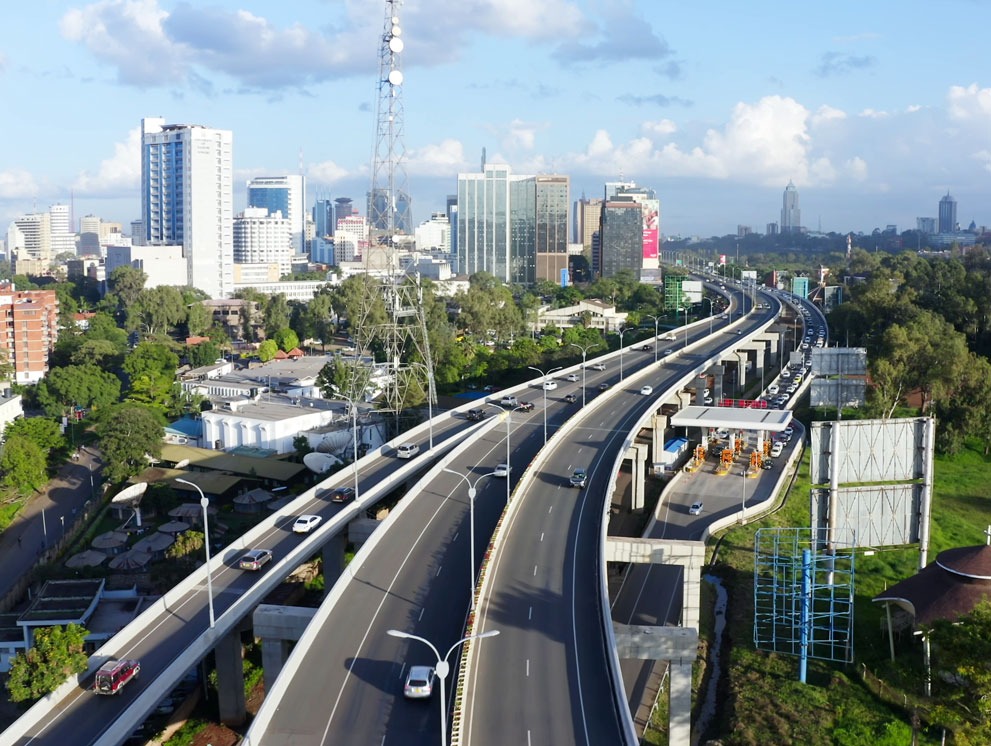
Introduction: The Road to Rural Prosperity
Infrastructure development remains a foundational driver of economic growth, poverty reduction, and social transformation. In Kenya, road transport accounts for over 80 percent of national mobility, positioning roads as the primary conduit for economic and social connectivity. Road networks enable farmers to access markets, businesses to reach supply chains, learners to attend schools, and communities to access healthcare services, forming the physical backbone of national integration.
Rural areas have historically experienced limited economic participation due to inadequate road connectivity. Weak access networks increased transport costs, constrained market access, and contributed to post-harvest losses. As of February 2026, the national road network stands at 239,105 kilometres. Sustained investment in maintenance and rehabilitation has raised the proportion of the maintainable network in good and fair condition to 68 percent, reflecting improved asset management and serviceability.
Road infrastructure is positioned at the centre of the Bottom-Up Economic Transformation Agenda. The Kenya Kwanza administration has prioritized the expansion of rural feeder roads, the upgrading of strategic highways, and the development of bypasses to strengthen linkages between productive counties and major economic centres. This strategy supports agricultural commercialization, MSME activity, and regional trade flows.
To stabilize the sector and restore project momentum, the National Treasury has cleared KSh 80 billion in verified road sector arrears as of February 2026. An additional KSh 175 billion is being settled through a structured payment program to support contractor liquidity, sustain employment, and enable the resumption of stalled works. Implementation is coordinated through national, rural, and urban roads agencies to ensure comprehensive network coverage and consistent delivery standards.
Current priorities include the expansion of the Rironi–Naivasha–Nakuru–Mau Summit highway, with construction activities ongoing at Rironi and Gilgil to improve corridor efficiency and traffic flow. In parallel, construction of the Nairobi–Mombasa Usahihi Expressway is scheduled to commence within the current quarter under a Public Private Partnership framework. These strategic corridors are designed to improve mobility, reduce logistics costs, and strengthen Kenya’s role as a regional transport and trade hub.
Strategic Infrastructure Networks: Transforming Connectivity in Nyanza, Western, North Eastern, and Coastal Kenya
Targeted investment in regional road infrastructure continues to reshape Kenya’s economic geography and spatial integration. The structured rollout of strategic corridors strengthens internal market connectivity, regional trade flows, and access to essential services. These networks support productive sectors such as agriculture, fisheries, logistics, tourism, and manufacturing, ensuring that infrastructure operates as a catalyst for sustained regional development.
Nyanza Region: Strengthening the Lake Basin Trade Corridor
The Nyanza region occupies a central position within the Lake Basin economy, functioning as a trade and production interface linking Kenya with Uganda and Tanzania. Road infrastructure development within the region focuses on reinforcing agricultural supply chains, fisheries logistics, and access to processing and industrial zones. As of February 2026, targeted upgrades continue to transform connectivity across priority economic corridors.
- Mamboleo–Miwani–Chemelil–Muhoroni Road (C67): This corridor is undergoing comprehensive reconstruction to support sugarcane production, milling operations, and downstream agro-processing activities. The project strengthens inter-county connectivity between Kisumu and Nandi, improves access to factories and aggregation points, and enhances movement of agricultural inputs and finished products toward regional markets.
- Bondo–Uyawi–Kibanga Liunda Beach Road: Construction works are advancing to strengthen access to Lake Victoria fish landing sites and associated cold-chain infrastructure. The road supports fish handling, processing, and transportation activities, expands income opportunities within fishing communities, and reinforces linkages between lakeshore economies and inland markets across Siaya County.
- Nyarobiro–Kombe–Masaba–Ikerege–Tarang’anya Road: Development of this corridor in Migori County facilitates agricultural movement, small-scale trade, and cross-border commercial activity. Improved access to markets reduces spoilage of perishable produce and strengthens trade flows toward Tanzania, supporting regional integration.
Western Region: Industrial and Agricultural Integration
Road infrastructure development in Western Kenya aligns with the region’s role as a major agricultural production zone and transit corridor. Investments concentrate on strengthening the sugar belt, maize-growing areas, and border trade routes connecting Kenya to regional markets.
- Busia–Malaba–Kakamega Road: Ongoing upgrading works have expanded corridor capacity, stabilized freight movement, and improved travel reliability between border points and inland markets. The road supports regional trade logistics and facilitates movement of agricultural produce and manufactured goods across the western trade network.
- Bungoma County Retendered Roads: Projects such as the Masaek–Kaboriot Road and the Sikusi–Mukhweya–Lurende Road are undergoing retendering to accelerate completion and improve construction quality. These corridors link farming zones to aggregation centres, markets, and regional highways, supporting agricultural commercialization and rural enterprise activity.
- Kuywa–Matulo and Mikuva–Mlachi–Magemo Roads: Routine maintenance and targeted spot improvements sustain year-round accessibility for farmers and transporters. These interventions protect road assets, support efficient farm-to-market movement, and maintain connectivity during peak planting and harvest seasons.
North Eastern Region: Bridging Marginalization through Modern Corridors
The North Eastern region is undergoing transformative infrastructure investment aimed at strengthening national cohesion, economic participation, and service delivery. Road development focuses on long-distance corridors that connect remote counties to markets, public services, and regional trade routes.
- Modogashe–Samatar–Wajir Corridor Phase Two: This flagship project under the North Eastern Transport Improvement Project spans approximately 200 kilometres. The corridor improves mobility of people and goods, strengthens livestock trade routes, supports security operations, and enhances access to administrative and commercial centres within the region.
- Horn of Africa Gateway Development Project: Construction continues along the Isiolo–Mandera corridor, covering approximately 740 kilometres. This strategic route anchors cross-border trade, supports humanitarian and commercial logistics, and integrates North Eastern counties into national and Horn of Africa economic systems.
- Marsabit–Moyale Highway: Improved road conditions along this corridor strengthen access to healthcare, education, and emergency services. Faster and more reliable transport enables timely referrals to Level Four and Level Five hospitals, contributing to improved maternal and emergency health outcomes.
Coastal Region: Ports and Tourism Connectivity
Infrastructure development along the Coast focuses on strengthening maritime logistics, industrial zones, and tourism circuits. Road investments enhance access to ports, special economic zones, and coastal settlements while supporting national and regional trade.
- Nairobi–Mombasa Usahihi Expressway: The project has entered its initial expansion phase, with works commencing along the Machakos–Emali section. The expressway supports long-haul freight movement, improves cargo reliability, and enhances travel efficiency for tourism and passenger traffic toward the Coast.
- Korisa–Gamba Road: Upgrading works in Tana River County improve safety standards, travel reliability, and access to coastal communities. The corridor supports agricultural transport, fisheries activity, and regional connectivity along the coastal hinterland.
- Port of Mombasa and Dongo Kundu Connectivity: Strengthened road access to the port and the Dongo Kundu Special Economic Zone enhances logistics efficiency, industrial investment, and tourism activity. Improved connectivity supports cargo handling, manufacturing operations, cruise tourism, and employment generation within the coastal economy.
Collectively, these strategic infrastructure networks strengthen regional integration, expand access to markets and services, and unlock productive potential across Kenya. Alignment of road development with regional economic drivers continues to support inclusive growth, resilience, and long-term national competitiveness.
Strategic Long-Term Vision for Kenya’s Road Network
As of February 2026, the government sustains a comprehensive long-term vision that positions the national road network as a permanent pillar of Kenya’s economic architecture. Roads are treated as strategic public assets whose value extends beyond physical mobility into productivity, national integration, service delivery, and social cohesion. This vision is anchored in the understanding that reliable and well-planned road infrastructure underpins every sector of the economy, from agriculture and manufacturing to trade, tourism, health, and education.
The long-term strategy moves beyond project-level implementation and focuses on system-wide coherence, durability, and future readiness. Planning frameworks emphasize network completeness, ensuring that roads operate as an integrated system connecting rural production zones, urban markets, ports, border points, and social infrastructure. This approach supports sustained economic growth, regional integration, and equitable development across all counties, while aligning infrastructure investment with population growth, climate realities, and long-term national development goals.
Integrated Transport Systems
The long-term road vision recognizes that roads cannot function effectively in isolation. Their full economic value emerges when integrated into a wider transport and logistics ecosystem that includes railways, ports, airports, inland depots, and urban transit systems. Integrated transport planning ensures efficient movement of goods and people, strengthens supply chain resilience, and supports Kenya’s role as a regional logistics and trade anchor.
This approach aligns road development with industrial zones, agricultural hubs, border points, and metropolitan regions, ensuring that infrastructure investment directly supports production, trade, and service delivery. Integrated systems reduce fragmentation, improve predictability, and enable coordinated planning across transport modes and administrative boundaries.
- Multimodal Logistics Alignment: National transport planning emphasizes functional linkage between road corridors and complementary transport modes such as rail infrastructure, ports, inland container depots, airports, and logistics hubs. This alignment supports uninterrupted cargo movement, reduces dwell times, and improves reliability across domestic and regional supply chains, benefiting exporters, manufacturers, agricultural producers, and service providers.
- Economic Corridor Structuring: Road investments concentrate on defined economic corridors connecting production zones with processing centers, markets, ports, and border crossings. Corridor-based planning supports coordinated infrastructure provision, targeted industrial development, and efficient land use, anchoring agricultural value chains, industrial clusters, mining activity, and service economies within a unified transport framework.
- Urban, Peri-Urban, and Rural Connectivity: Integrated transport systems strengthen linkages between metropolitan regions, secondary towns, market centers, and rural hinterlands. This structure improves labor mobility, access to markets, and service reach while reinforcing balanced regional development and orderly urban expansion.
Technological Modernization
The long-term sustainability of the road network depends on the integration of modern technology into planning, operations, and maintenance. Technological modernization enhances safety, efficiency, asset management, and user experience, ensuring that roads remain functional, reliable, and responsive to growing demand.
Digital systems support evidence-based decision-making, predictive maintenance, and real-time network management. These capabilities strengthen accountability, optimize resource allocation, and extend the operational life of road assets while improving travel reliability for users.
- Intelligent Traffic Management Systems: Deployment of advanced traffic control technologies across highways and urban corridors supports continuous monitoring of traffic flow, coordinated incident response, and adaptive traffic regulation. These systems improve road safety outcomes, stabilize travel times, and enhance predictability for freight operators, public transport services, and private road users.
- Digital Asset Management Platforms: Road agencies utilize digital tools for pavement condition monitoring, maintenance scheduling, and lifecycle planning. Data-driven asset management strengthens prioritization of interventions, improves budget efficiency, and preserves long-term value of public investment in road infrastructure.
- Road User Information and Safety Systems: Technology integration supports dissemination of real-time travel information, safety alerts, weather advisories, and route guidance. Improved information access enhances journey planning, freight scheduling, emergency response coordination, and overall network reliability.
Climate-Resilient Design
Climate variability and extreme weather events present increasing risks to road infrastructure and service continuity. The long-term road strategy embeds resilience as a core design principle to protect assets, maintain accessibility, and safeguard economic activity under changing environmental conditions.
Resilient design standards ensure that road infrastructure withstands flooding, erosion, and temperature stress while reducing long-term maintenance burdens. This approach protects public investment and ensures reliable access to marketz, services, and emergency response even during adverse conditions.
- Climate-Responsive Engineering Standards: Road design incorporates engineering solutions that address flooding, temperature variation, erosion, and extreme rainfall. Design measures include enhanced drainage systems, reinforced pavement structures, elevated road sections in flood-prone areas, and slope stabilization works that improve long-term performance.
- Infrastructure Protection and Service Continuity: Climate-resilient construction supports uninterrupted access to markets, healthcare, education, and emergency services. Durable designs reduce maintenance disruptions and sustain operational reliability across the network.
- Environmental Integration and Stewardship: Road projects integrate environmental management practices that protect ecosystems, water catchments, wildlife corridors, and community livelihoods, supporting sustainable infrastructure development alongside economic growth.
Sustainable Financing
Long-term expansion and maintenance of the national road network require financing structures that support continuity, affordability, and fiscal stability. The strategic vision emphasizes diversified funding approaches that strengthen delivery capacity while preserving macroeconomic balance.
Sustainable financing frameworks enable predictable investment flows, long-range planning, and lifecycle asset management. These mechanisms ensure that infrastructure development remains resilient to fiscal pressures and capable of supporting national growth objectives over time.
- Public Private Partnership Frameworks: Structured partnership models mobilize long-term private capital and technical expertise while supporting performance-based delivery and lifecycle asset management. These arrangements strengthen accountability and delivery efficiency across project lifespans.
- Innovative Infrastructure Financing Instruments: Financing strategies incorporate tolling frameworks, infrastructure bonds, and user-supported revenue mechanisms. These instruments expand funding options, improve cash flow predictability, and support large-scale corridor development.
- Fiscal Sustainability and Investment Continuity: Diversified financing reduces reliance on annual budget allocations and strengthens long-term planning certainty, supporting uninterrupted investment in road infrastructure within a stable macroeconomic environment.
Conclusion: Securing Connectivity for Generational Prosperity
The long-term transformation of Kenya’s road network stands as a defining pillar of national development strategy. Road infrastructure has evolved into a strategic instrument that underpins economic productivity, regional integration, social inclusion, and national cohesion. The sustained focus on network completeness, resilience, and system integration ensures that road investments continue to deliver value across multiple generations rather than serving short-term mobility needs alone.
Through deliberate alignment with national planning frameworks, the road sector now supports agriculture, manufacturing, trade, tourism, and service delivery in a coordinated and predictable manner. Improved connectivity links rural production zones with urban markets, ports, and border points, strengthening value chains and expanding economic participation across all counties. This integrated approach reduces spatial disparities and reinforces balanced regional development as a core national objective.
The emphasis on technological modernization and climate-resilient design safeguards the durability of road assets while enhancing safety, reliability, and operational efficiency. Digital systems strengthen planning accuracy, asset management, and user experience, while resilient engineering protects infrastructure from environmental stress and service disruption. These measures ensure continuity of access to markets, healthcare, education, and emergency services under all conditions.
Sustainable financing frameworks anchor delivery certainty and fiscal responsibility, enabling continuous investment without compromising macroeconomic stability. Diversified funding models support lifecycle asset management, predictable maintenance, and long-range infrastructure planning, ensuring that the road network remains functional, adaptable, and future-ready.
Taken together, these interventions position Kenya’s road infrastructure as a permanent enabler of economic transformation and social progress. The national road network now functions as a cohesive system that supports productivity, opportunity, and resilience across the country. This strategic vision secures the foundation for long-term growth, shared prosperity, and national self-reliance, ensuring that connectivity remains a defining strength of Kenya’s development trajectory well into the future.
