

Advancing Citizen Centred Local Administration Through NGAOs
Grassroots governance in Kenya is most directly experienced through the interaction between citizens and National Government Administrative Officers, particularly Chiefs and Assistant Chiefs who operate within locations and sub locations across the country. These officers constitute the most immediate and consistent interface between the State and the public, providing administrative oversight, coordinating security functions, and facilitating access to government services in a manner that shapes how governance is understood and experienced within communities.
In practice, citizens engage NGAOs across a wide range of day to day situations that define the presence of government at the local level, including reporting security concerns, resolving disputes, verifying identity documentation, and seeking guidance on government programs. These interactions form the routine channels through which citizens access the State, making the effectiveness of NGAOs a critical determinant of how policy is translated into lived outcomes at the grassroots.
Over time, the scope of responsibilities assigned to Chiefs and Assistant Chiefs has expanded significantly, reflecting the increasing complexity of governance within communities that are socially diverse and economically dynamic. NGAOs are now required to manage land and family disputes that involve legal sensitivities, coordinate responses to security threats and emergencies, support community mobilisation around development programs, and maintain civic order in environments that require both authority and engagement. This expanded mandate demands a broader and more structured set of competencies that integrate administrative knowledge with legal awareness, coordination ability, and effective communication.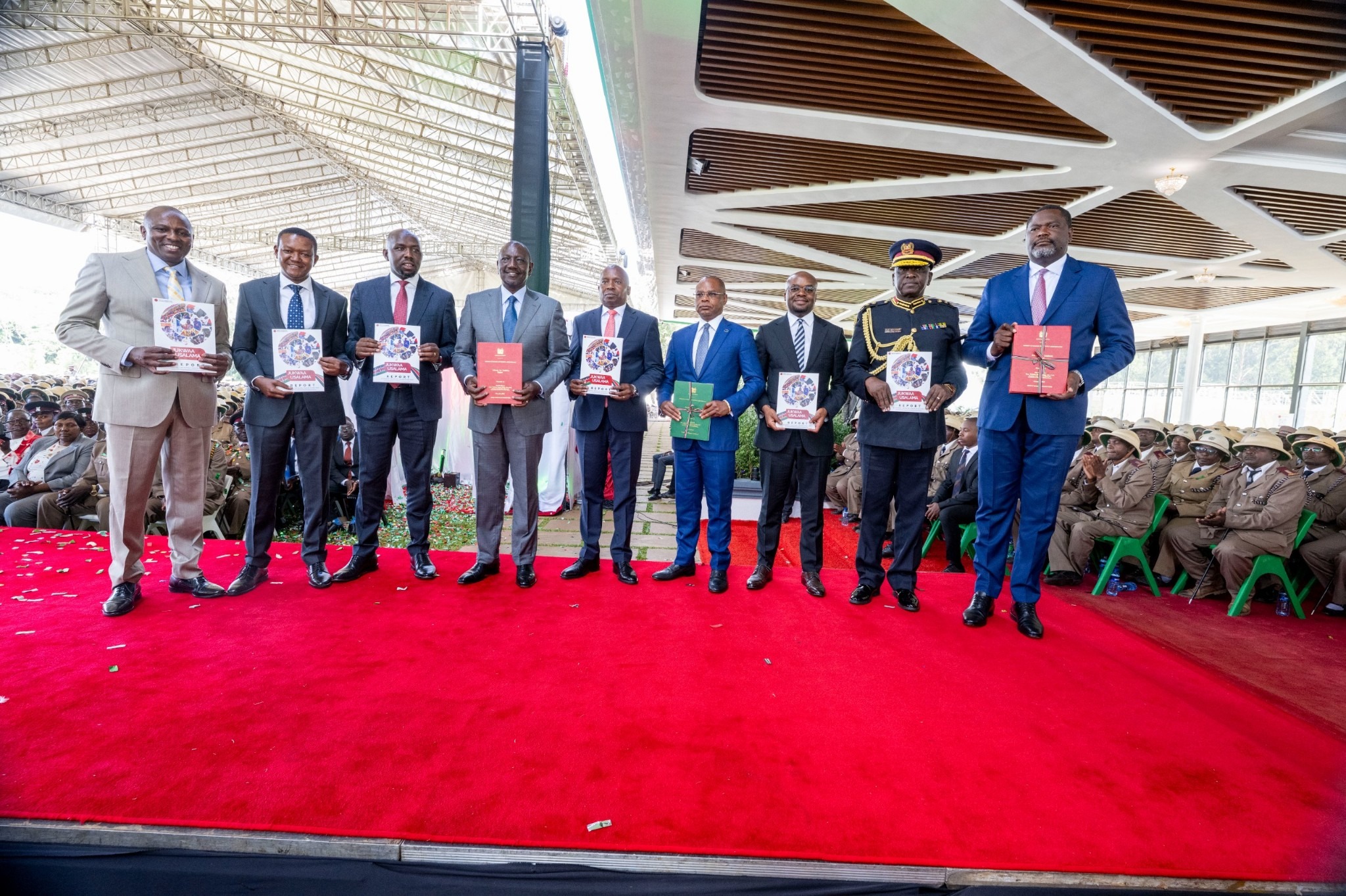
Under the Kenya Kwanza administration, and within the State Department for Internal Security and National Administration led by Principal Secretary Raymond Omollo, a structured reform program is being implemented to strengthen the capacity, coordination, and professional standing of NGAOs across the country. This program reflects a deliberate effort to ensure that grassroots administration is aligned with the delivery requirements of the Bottom Up Economic Transformation Agenda, with clear emphasis on consistency, accountability, and responsiveness within communities.
These reforms are already in operation and are shaping how NGAOs perform their functions at the grassroots through targeted interventions that address long standing gaps and introduce structured standards of service.
- Structured training for Chiefs and Assistant Chiefs is being rolled out across the country with a clear focus on practical competencies required for modern administration
The Chiefs and Assistant Chiefs Induction, Paralegal, and Security Management Course is equipping officers with the ability to interpret legal frameworks, manage disputes within the law, coordinate security responses, and engage communities in a structured manner. This training is strengthening competence at the grassroots while introducing uniform standards across the NGAO system. - Standard Operating Procedures between NGAOs and the National Government Administration Police Unit are guiding coordination at the grassroots with clearly defined roles and response protocols
These procedures are already in use, providing clarity on how administrative officers and security agencies collaborate during incidents, public events, and routine operations. Their application is strengthening coordination, reducing uncertainty, and improving effectiveness in local security management. - The rollout of standardized uniforms for Chiefs and Assistant Chiefs has been implemented across all counties, strengthening visibility and reinforcing professional identity within communities
NGAOs are now easily identifiable during public engagements and emergencies, improving accessibility for citizens and reinforcing confidence in the authority and legitimacy of administrative officers at the local level.
These interventions are already influencing how citizens experience government within their communities. Dispute resolution processes are becoming more structured as NGAOs apply legal and procedural knowledge acquired through training. Security responses are more coordinated through the application of defined operational frameworks that guide collaboration between administrative officers and security agencies. Interaction with NGAOs is more direct and accessible as a result of increased visibility and consistent presence, while service delivery is becoming more predictable as officers operate within standardized systems that guide their conduct and responsibilities.
Taken together, these developments reflect a deliberate strengthening of grassroots governance under the Kenya Kwanza administration, with Principal Secretary Raymond Omollo overseeing a reform process that is equipping NGAOs to support delivery under the Bottom Up Economic Transformation Agenda in a manner that is consistent, accountable, and grounded in the realities of communities.
The Training Programme and Its Practical Value to Citizens
The Chiefs and Assistant Chiefs Induction, Paralegal, and Security Management Course is being implemented as a direct response to the realities of administering communities that are increasingly complex, diverse, and dynamic. The programme is structured to strengthen competence within the NGAO system, introduce uniform standards across the country, and support officers in carrying out their responsibilities with clarity, consistency, and confidence in real situations that arise within their jurisdictions.
The design of the training is grounded in the actual functions performed by Chiefs and Assistant Chiefs, ensuring that knowledge acquired is immediately applicable in handling disputes, coordinating security responses, and engaging communities on government programmes. This practical orientation ensures that the programme is not detached from daily administrative work, but is directly shaping how NGAOs perform their duties and how citizens experience governance at the grassroots.
The induction component provides a structured orientation into the constitutional and legal framework that guides NGAO operations. Officers are trained on the Constitution of Kenya, the National Government Coordination Act, and the Public Service Code of Conduct, ensuring that administrative decisions are grounded in law and aligned with national standards. This establishes a common foundation across all administrative units, enabling officers to apply policy directives and legal provisions in a manner that is consistent, predictable, and accountable to citizens regardless of location.
The paralegal training component addresses the central role of the Chief’s office as an accessible point of justice within communities. Chiefs and Assistant Chiefs are regularly called upon to handle disputes relating to land boundaries, succession matters, family disagreements, and broader community conflicts. The training equips officers with the ability to interpret relevant laws, guide disputing parties through lawful resolution processes, and document outcomes in a structured manner that supports accountability. This strengthens the capacity of NGAOs to resolve disputes within communities in a way that is grounded in law, transparent in process, and understood by all parties involved.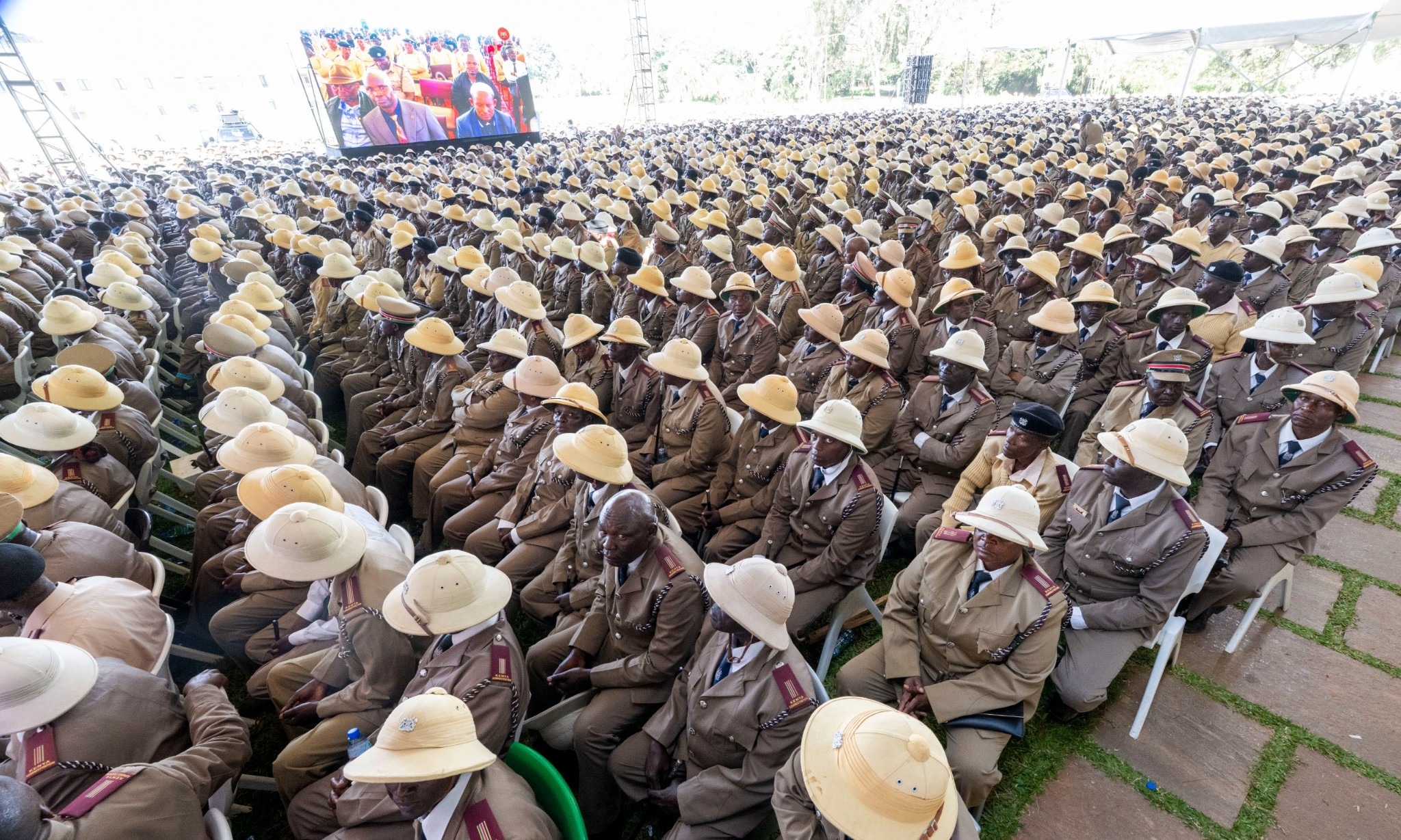
The security management component recognizes the integral role NGAOs play in maintaining safety within their jurisdictions. Officers are trained in local risk assessment, coordination with the National Government Administration Police Unit, and management of community policing initiatives. They are also equipped with preparedness strategies for handling emergencies such as floods, fires, and other incidents that require organized intervention. This strengthens the ability of NGAOs to coordinate responses in a manner that is structured, timely, and aligned with established procedures.
Community engagement forms a key part of the training programme, reflecting the importance of inclusive governance at the grassroots. NGAOs are equipped with skills to facilitate forums, mobilise citizens for public programmes, and manage dialogue within communities. This ensures that engagement between government and citizens is structured, participatory, and capable of supporting both information flow and feedback within the system.
Citizen Value Derived from the Training Programme
- Access to dispute resolution that is structured, lawful, and anchored within the community environment
Citizens are able to present disputes before NGAOs who have received formal training in interpreting relevant legal frameworks and guiding resolution processes in a manner that is grounded in law. This enables disputes relating to land, succession, and family matters to be handled within the community through clear procedures that involve listening to all parties, applying applicable legal principles, and documenting agreements in a way that supports accountability and future reference. The result is a system where resolution is accessible, understandable, and capable of sustaining social cohesion within the community. - Improved coordination of safety and response mechanisms through trained administrative leadership at the local level
Communities benefit from NGAOs who are equipped to assess risks, coordinate with security agencies, and organize responses to incidents in a structured manner. This includes managing local security concerns, supporting community policing initiatives, and facilitating response during emergencies such as natural disasters or public safety incidents. The presence of trained officers ensures that responses follow defined procedures, information flows through established channels, and actions taken are coordinated rather than fragmented, supporting stability within the community. - Consistency in the application of government policy and administrative procedures across all regions
The structured induction ensures that NGAOs operate from a shared understanding of the Constitution, statutory requirements, and public service standards. This means that citizens engaging with administrative officers in different counties encounter similar approaches in how issues are handled, decisions are made, and services are delivered. This consistency strengthens fairness within the system and ensures that access to government services is not influenced by location or individual interpretation. - Greater clarity and understanding when engaging with government programmes at the grassroots level
Through improved communication and facilitation skills, NGAOs are able to explain programme objectives, eligibility criteria, and implementation processes in a manner that is clear and accessible to citizens. Community forums are conducted with structure, allowing individuals to ask questions, seek clarification, and understand how to participate in government initiatives. This reduces confusion, supports informed participation, and ensures that programmes are engaged with based on accurate information. - Enhanced documentation and accountability in handling community matters and administrative processes
Training in record keeping ensures that disputes, agreements, and administrative actions are documented in a structured manner that supports transparency and follow up. Citizens benefit from a system where interactions are recorded, outcomes are traceable, and accountability is maintained within the administrative process. This reduces ambiguity and provides a clear reference point for future engagements. - Strengthened trust in local administration through informed, structured, and predictable engagement
As NGAOs apply knowledge acquired through training in their daily work, citizens experience interactions that are guided by clear procedures, supported by legal understanding, and communicated effectively. This reinforces confidence in the administrative system, as individuals are able to engage with officers who demonstrate competence, fairness, and consistency in handling matters that affect their lives.
This training programme is therefore strengthening the practical delivery of governance at the grassroots, ensuring that NGAOs are equipped to carry out their responsibilities in a manner that is aligned with legal standards, responsive to community needs, and consistent across the country.
Standard Operating Procedures and Structured Coordination at the Grassroots
The introduction and application of Standard Operating Procedures between National Government Administrative Officers and the National Government Administration Police Unit represents a structured improvement in how coordination is carried out at the grassroots, particularly in relation to security management, public order, and response to incidents within communities. These procedures provide a clear and uniform framework that guides how administrative officers and security personnel interact, share information, and execute responsibilities within their respective mandates.
In practice, NGAOs and NGAPU have always worked within the same operational environment, with both playing complementary roles in maintaining order and responding to issues within communities. The introduction of SOPs brings structure to this relationship by defining responsibilities with clarity, ensuring that each actor understands their role during routine operations, public engagements, and emergency situations. This clarity supports coordination that is guided by agreed procedures rather than informal arrangements, allowing officers to act with confidence and consistency when responding to issues.
The SOPs also establish formal communication pathways that guide how information is shared between NGAOs, security agencies, and other relevant actors. This ensures that intelligence, reports of incidents, and operational updates flow through defined channels, reducing the risk of delays or miscommunication. Structured communication supports timely response and ensures that actions taken are based on accurate and coordinated information.
Joint planning forms another critical element of the coordination framework established through the SOPs. NGAOs and NGAPU are able to organize activities such as patrols, public events, and community policing initiatives through pre agreed plans that define roles, timelines, and expected outcomes. This approach ensures that operations are carried out in an organized manner, with each actor contributing within a clearly defined structure.
Accountability is strengthened through the documentation and tracking mechanisms embedded within the SOPs. Activities undertaken during operations, responses to incidents, and outcomes achieved are recorded and can be reviewed by senior administrative and security leadership. This creates a system where performance is visible, actions are traceable, and areas requiring improvement can be identified and addressed.
The application of these procedures is already influencing how coordination is experienced within communities, particularly in situations that require immediate and organized response. When incidents occur, NGAOs and security officers operate within a defined framework that guides decision making, clarifies leadership, and ensures that actions follow established protocols.
Citizen Value Derived from Standard Operating Procedures and Coordination Frameworks
- Clarity in leadership and responsibility during security incidents and public engagements
Citizens benefit from a system where administrative officers and security personnel operate within clearly defined roles, ensuring that when an incident arises, there is no uncertainty regarding who leads, who supports, and how actions are coordinated. This clarity reduces delays and supports a more organized response within communities. - Timely and coordinated response supported by structured communication channels
The establishment of formal communication pathways ensures that information relating to incidents, risks, and community concerns is shared promptly between relevant actors. This enables responses that are based on accurate information and carried out within a coordinated framework that improves efficiency and effectiveness. - Organized planning of security and community activities that supports order and predictability
Joint planning between NGAOs and security agencies ensures that activities such as patrols, public gatherings, and community policing initiatives are conducted with preparation and structure. This allows communities to experience governance that is organized and predictable, supporting confidence in how public order is maintained. - Consistency in coordination practices across different regions of the country
The use of standardized procedures ensures that coordination between administrative and security officers follows the same framework regardless of location. This creates a uniform experience for citizens, where response to incidents and management of public order are guided by the same principles and processes. - Accountability in handling security and administrative operations at the grassroots
Documentation and tracking of actions ensure that activities undertaken by NGAOs and security personnel are recorded and can be reviewed. This provides citizens with assurance that operations are conducted within a system that values transparency and allows for oversight. - Reduced risk of miscommunication and duplication during operations
Clearly defined communication protocols and role allocation ensure that information is shared accurately and that responsibilities are not duplicated. This supports efficiency in operations and ensures that efforts are directed toward achieving clear outcomes. - Improved confidence in local governance structures through structured coordination
As citizens observe administrative officers and security personnel operating within a coordinated and organized framework, trust in local governance is strengthened, supporting a sense of order and reliability within communities.
The introduction and application of Standard Operating Procedures is therefore strengthening coordination at the grassroots in a practical and visible manner, ensuring that NGAOs and security agencies operate within a framework that supports clarity, efficiency, and accountability in serving communities.
Integrating NGAO Reforms into Bottom Up Delivery and Citizen Experience
The strengthening of National Government Administrative Officers is part of a broader effort to align grassroots governance with delivery under the Bottom Up Economic Transformation Agenda, ensuring that administrative systems support stability, access to services, and continuous engagement with citizens within communities where economic activity is sustained.
The reforms already in place, including structured training, operational coordination through Standard Operating Procedures, and improvements in visibility and accessibility, are working together to reshape how governance is delivered at the grassroots. These are not isolated interventions. They operate within a single framework that connects administrative capacity, security coordination, and citizen engagement into a system that supports implementation of national priorities.
Security coordination remains central within this framework, as stability at the grassroots provides the environment within which farming, trade, and enterprise development can continue without disruption. The structured coordination between NGAOs and security agencies ensures that responses to incidents follow defined procedures, with clarity in roles and communication. This supports predictable and organized management of public order, which is essential for sustaining economic activity within communities.
Dispute resolution at the local level continues to play a critical role in maintaining social cohesion, particularly in communities where land, family, and resource related disagreements have direct implications on livelihoods. With strengthened capacity, NGAOs are handling these matters within structured processes that are grounded in law and supported by clear documentation, ensuring that disputes are resolved in a manner that preserves stability and allows communities to focus on productive activity.
Public engagement is being sustained through regular interaction between NGAOs and citizens, where government programmes are explained, participation is mobilised, and feedback is captured. This engagement ensures that citizens are informed and able to take part in initiatives that affect their livelihoods, while also providing a channel through which implementation challenges are identified and addressed within the system.
Improvements in visibility of NGAOs within communities support accessibility and reinforce the presence of government at the grassroots, ensuring that citizens are able to identify and engage administrative officers during routine activities and in times of need. This complements the broader objective of making governance more responsive and accessible within local environments.
Integrated Outcomes at the Grassroots
- Stronger alignment between government programmes and community level realities through active NGAO involvement in mobilisation, verification, and follow up
NGAOs are sustaining engagement with households, farmers, and enterprise actors, ensuring that programmes are implemented in a manner that reflects actual conditions within communities and supports effective participation. - Improved stability within communities supporting continuity of economic activity under the Bottom Up framework
Coordinated security management and structured administrative oversight are ensuring that farming, trade, and enterprise development take place within an environment that supports sustained livelihoods. - More structured handling of disputes that affect households and local economies
NGAOs are applying trained skills to manage disputes through processes that are documented, guided by legal frameworks, and capable of supporting resolution within the community. - Increased citizen participation in government programmes through continuous engagement and clear communication
Community forums and direct interaction with NGAOs are enabling citizens to understand programme requirements, access opportunities, and provide feedback that informs implementation. - Enhanced accessibility of administrative services at the grassroots through visible and active NGAO presence
Citizens are able to engage government representatives more directly, supporting timely resolution of issues and improved access to services. - Greater consistency in how governance is experienced across different regions
Standardized training and coordination frameworks are ensuring that administrative processes follow similar structures, supporting predictable and reliable service delivery.
These outcomes reflect a system that is increasingly aligned with the delivery requirements of the Bottom Up Economic Transformation Agenda, where NGAOs are functioning as a structured and responsive administrative layer that supports implementation at the grassroots.
