
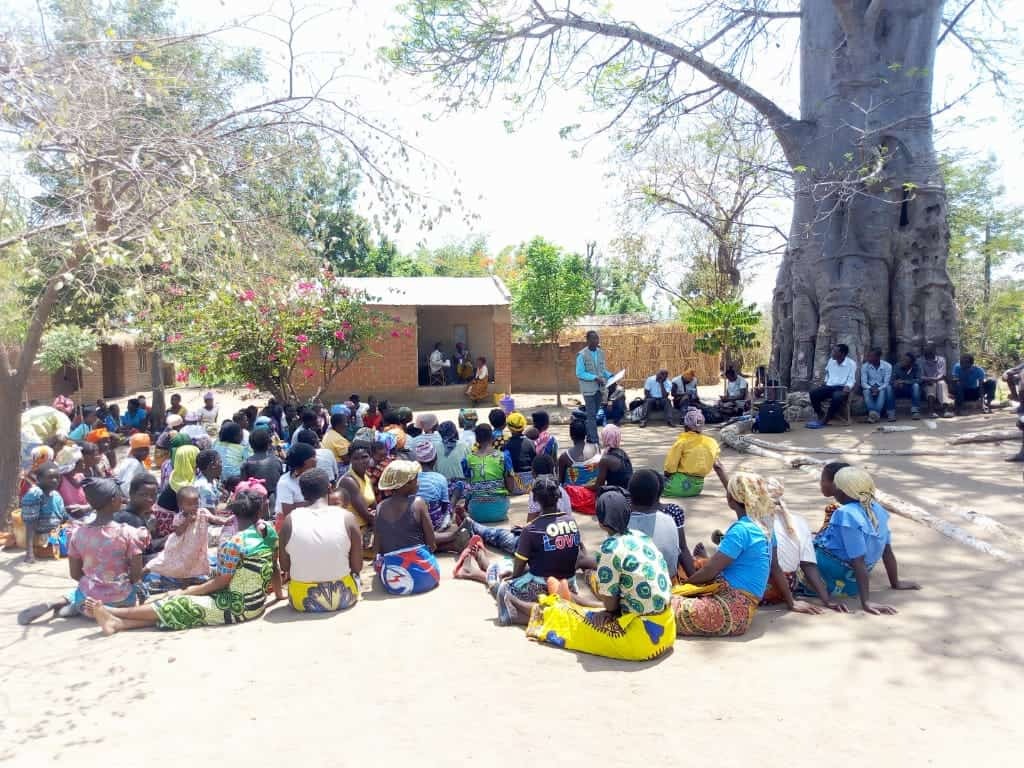
Introduction: A Renewed Commitment to National Security and Peacebuilding
On March 18, 2025, Principal Secretary Dr. Raymond Omollo chaired the second Steering Committee meeting of the Peacebuilding and Preventing Violent Extremism Programme, marking a transition from strategic planning to coordinated implementation. The meeting approved a comprehensive annual work plan covering Marsabit, Samburu, Isiolo, Laikipia, Busia, Kisumu, Taita Taveta, and Kilifi counties, with a clear focus on delivery sequencing, institutional accountability, and results monitoring. This phase underscored the government’s intent to translate policy commitments into measurable peacebuilding outcomes at the community level.
Dr. Omollo’s leadership in this initiative reflects the Kenyan government’s broader strategic shift under the Bottom-Up Economic Transformation Agenda (BETA). This policy framework prioritizes grassroots involvement in economic development, security, and governance, recognizing that sustainable peace is only possible when communities are empowered and engaged in national security efforts. The approach seeks to eradicate the socio-economic disparities that fuel extremism while strengthening community resilience against radical ideologies.
The Steering Committee meeting brought together a diverse coalition of stakeholders, including:
- The United Nations Development Programme (UNDP) and the Korea International Cooperation Agency (KOICA), which provide technical and financial assistance for peacebuilding initiatives.
- The National Counter Terrorism Centre (NCTC), responsible for intelligence coordination and counterterrorism policy formulation.
- The National Cohesion and Integration Commission (NCIC), which promotes national unity and interethnic cohesion.
- The Peacebuilding and Conflict Management Directorate, tasked with facilitating reconciliation and conflict resolution efforts.
- The Inter-Religious Council of Kenya (IRCK), which fosters interfaith dialogue and religious tolerance as a countermeasure against extremist recruitment.
Let’s explore our country’s multidimensional approach to peacebuilding and the fight against violent extremism, focusing on:
- The historical context of radicalization in Kenya
- The role of key stakeholders in peacebuilding
- Challenges impeding counter-extremism efforts
- Strategic interventions for sustainable peace
- The integration of traditional and modern conflict resolution mechanisms
As Kenya continues to strengthen its security framework, it is clear that peacebuilding is not merely a government effort, it is a collective national responsibility. Addressing violent extremism requires community engagement, economic empowerment, education, and a strategic balance between security enforcement and social integration.
By understanding the root causes of radicalization and the importance of holistic interventions, Kenya can lay the foundation for a more peaceful and resilient society.
Historical Context of Violent Extremism in Kenya
Kenya’s struggle with violent extremism is deeply rooted in both historical events and structural socio-political factors that have shaped the country’s security landscape. The phenomenon has evolved over the years, with terrorist attacks, radicalization, and recruitment efforts by extremist groups posing a persistent threat to national stability and social cohesion.
1.1 Early Incidents and the Escalation of Extremist Attacks
One of the earliest and most devastating instances of violent extremism in Kenya occurred on August 7, 1998, when Al-Qaeda operatives orchestrated the bombing of the U.S. Embassy in Nairobi. The attack, which killed more than 200 people and injured over 4,000, was a watershed moment that exposed Kenya’s vulnerability to transnational terrorism.
However, Kenya’s most pressing extremist threat in recent decades has come from Al-Shabaab, an Al-Qaeda-linked militant group based in Somalia. Al-Shabaab’s increased attacks on Kenyan soil were largely a response to Kenya’s military intervention in Somalia in 2011, known as Operation Linda Nchi. Since then, Kenya has faced a series of high-profile terror attacks, including:
- 2013 Westgate Mall Attack (Nairobi): Al-Shabaab gunmen stormed the Westgate shopping mall, killing 67 people in a four-day siege.
- 2014 Mpeketoni Attacks (Lamu County): Militants targeted the predominantly Christian town, killing over 60 people in a night of terror.
- 2015 Garissa University Attack (Garissa County): Al-Shabaab militants massacred 148 students, deliberately targeting non-Muslims.
- 2019 DusitD2 Complex Attack (Nairobi): A suicide bombing and shooting spree left 21 people dead, highlighting the group’s evolving tactics.
These attacks underscore the persistent and evolving nature of violent extremism in Kenya, which has shifted from isolated incidents to coordinated mass-casualty attacks targeting civilians, security forces, and critical infrastructure.
1.2 The Root Causes of Violent Extremism in Kenya
While violent extremist ideologies are a significant driver of terrorist activities, their growth and sustenance in Kenya are closely tied to socioeconomic, political, and historical grievances.
1.2.1 Socioeconomic Factors and Marginalization
Kenya’s Coastal and North Eastern regions have long experienced economic marginalization, unemployment, and limited access to quality education, conditions that have historically heightened vulnerability to extremist recruitment. Current interventions under the Bottom-Up Economic Transformation Agenda are increasingly positioning livelihoods, local enterprise development, infrastructure access, and service delivery as stabilising forces that directly reinforce peacebuilding objectives. By aligning economic inclusion with security priorities, these efforts are beginning to convert development investments into tangible peace dividends within previously at-risk communities.
- North Eastern Kenya, bordering Somalia, has been historically neglected in terms of infrastructure development, healthcare, and education.
- Coastal Kenya, despite its tourism-driven economy, has communities facing land disputes, poverty, and political exclusion, leading to grievances that extremist groups exploit.
1.2.2 Political Marginalization and Ethnic Tensions
Kenya has a history of ethnic-based politics, where certain communities feel alienated from national decision-making and resource allocation. Extremist groups capitalize on these divisions, fostering narratives of oppression and injustice that resonate with vulnerable populations.
Additionally, historical state responses to terrorism, including security crackdowns in Muslim-majority areas, have sometimes exacerbated tensions rather than fostering cooperation between security agencies and communities. Instances of extrajudicial killings, arbitrary arrests, and racial/religious profiling have fueled resentment and distrust, inadvertently pushing some youth toward radical groups.
1.2.3 Religious Manipulation and Radicalization
While Kenya is home to a diverse and largely peaceful religious society, extremist groups have sought to exploit religious differences to further their agendas. Al-Shabaab, for instance, has deliberately framed its attacks as religiously motivated, often targeting Christian populations to incite sectarian tensions.
- Radical preachers, both in physical and online spaces, have played a role in indoctrinating young individuals with extremist ideologies.
- The rise of digital radicalization has allowed extremist networks to reach and recruit Kenyan youth remotely, making it a new battleground for counter-extremism efforts.
1.3 Cross-Border Extremism and Regional Insecurity
Kenya’s proximity to Somalia, a country that has struggled with decades of conflict and instability, has made it a frontline state in the fight against terrorism. The porous border between Kenya and Somalia has allowed extremist operatives to infiltrate Kenya, carry out attacks, and retreat into ungoverned spaces in Somalia.
Additionally, terrorist recruitment networks extend beyond Somalia, reaching Kenya’s:
- Refugee camps (e.g., Dadaab and Kakuma), where extremist cells attempt to exploit displaced populations.
- Major urban centers like Nairobi, Mombasa, and Garissa, where radicalization efforts target vulnerable slum populations.
The presence of Al-Shabaab sleeper cells within Kenya remains a security challenge, requiring a holistic, intelligence-driven response.
1.4 The Evolution of Kenya’s Counter-Extremism Efforts
Kenya’s response to violent extremism has evolved significantly over the years, moving from a purely militarized approach to a more multi-sectoral and community-driven strategy.
- Military and Security Responses:
- Operation Linda Nchi (2011): Kenya deployed military forces to Somalia to combat Al-Shabaab.
- Strengthening the National Counter Terrorism Centre (NCTC) to improve intelligence-sharing and coordination.
- Increased counterterrorism policing, including surveillance, border patrols, and de-radicalization programs.
- Community-Centered Approaches:
- Nyumba Kumi Initiative (Community Policing), fostering grassroots-level intelligence gathering.
- Engaging religious leaders in counter-radicalization efforts to counter extremist propaganda.
- Economic empowerment programs to address poverty-driven radicalization, particularly in marginalized areas.
- International Partnerships and Policy Initiatives:
- Kenya has collaborated with the United States, European Union, and African Union to enhance counterterrorism capabilities.
- Legislative measures, including the Prevention of Terrorism Act (2012), to facilitate legal action against extremists.
Despite these efforts, challenges such as cross-border terrorism, digital radicalization, and socio-political grievances continue to pose significant hurdles to achieving long-term peace and security.
The Role of Stakeholders in Peacebuilding and Preventing Violent Extremism
The fight against violent extremism in Kenya is a collective effort that demands coordinated action from government agencies, international partners, civil society organizations, religious institutions, and local communities. Each of these stakeholders brings unique expertise, resources, and influence to countering radicalization and promoting sustainable peace. By working together, these entities ensure that Kenya’s strategy against violent extremism is both comprehensive and effective, tackling not just the immediate security threats but also addressing the deeper socio-economic, political, and ideological factors that fuel radicalization.
The Ministry of Interior and National Coordination: Leading the National Response
The Ministry of Interior and National Coordination has spearheaded Kenya’s approach to peacebuilding and countering violent extremism. Unlike traditional counterterrorism strategies that focus solely on security operations, the Ministry has adopted a holistic, multi-pronged approach that prioritizes:
- Strengthening security operations to detect and disrupt extremist networks before they execute attacks.
- Addressing socio-economic drivers of extremism, recognizing that economic marginalization, unemployment, and political grievances contribute to radicalization.
- Enhancing coordination among key stakeholders, ensuring a unified response between law enforcement, intelligence agencies, community leaders, and international partners.
- Community-based interventions, where local leaders, religious institutions, and civil society organizations actively participate in preventing radicalization at the grassroots level.
The Ministry has been instrumental in overseeing key security agencies, including the National Police Service (NPS), the Anti-Terrorism Police Unit (ATPU), and the Kenya Defence Forces (KDF), in their efforts to combat terror threats, particularly in regions that have experienced Al-Shabaab infiltration and extremist recruitment. Additionally, the Ministry has worked to ensure that Kenya’s National Strategy to Counter Violent Extremism (NSCVE) is fully implemented, with a strong focus on community engagement, economic empowerment, and rehabilitation efforts for former extremists.
International Partners: Strengthening Kenya’s Counter-Extremism Efforts
Given the global nature of terrorism, Kenya has benefited from international support and collaboration, particularly in capacity building, technical assistance, and funding. Key partners such as the United Nations Development Programme (UNDP) and the Korea International Cooperation Agency (KOICA) have played a critical role in bolstering Kenya’s peacebuilding efforts and counter-extremism initiatives.
The Role of the United Nations Development Programme (UNDP)
The UNDP has provided technical and financial assistance to support the Kenyan government’s multi-sectoral approach to countering violent extremism. Some of its key contributions include:
- Funding community-led peacebuilding programs, ensuring that local populations are actively involved in preventing radicalization.
- Supporting de-radicalization and reintegration programs for former extremists, helping them transition back into society through vocational training, education, and psychosocial support.
- Conducting research on radicalization trends, enabling policymakers to develop data-driven counter-extremism policies.
- Working with religious and civil society organizations to amplify counter-narratives that challenge extremist propaganda.
By focusing on development-centered interventions, the UNDP has reinforced the understanding that countering violent extremism requires more than just security responses—it demands long-term investments in education, economic opportunities, and community cohesion.
The Role of the Korea International Cooperation Agency (KOICA)
KOICA has played a significant role in enhancing Kenya’s institutional capacity to counter violent extremism. Some of its notable interventions include:
- Providing training for security personnel in intelligence gathering, cyber-surveillance, and counterterrorism strategies.
- Supporting digital literacy programs to prevent online radicalization, particularly among Kenyan youth.
- Funding educational initiatives that promote civic engagement and counter-extremist ideologies.
- Enhancing economic resilience in marginalized areas, ensuring that communities vulnerable to radicalization have access to alternative livelihoods.
By working alongside the Kenyan government, KOICA has helped ensure that peacebuilding programs reach the most affected regions, such as Coastal Kenya, North Eastern Kenya, and parts of Western Kenya, where radicalization remains a persistent challenge.
The National Counter Terrorism Centre (NCTC): Coordinating National Counter-Extremism Efforts
The National Counter Terrorism Centre (NCTC) is a specialized agency tasked with coordinating Kenya’s response to violent extremism. It acts as the central hub for intelligence gathering, policy formulation, and inter-agency collaboration in counterterrorism efforts.
The NCTC plays a pivotal role in:
- Monitoring and analyzing extremist activities, ensuring that security agencies are equipped with up-to-date intelligence on emerging threats.
- Developing and implementing Kenya’s National Strategy to Counter Violent Extremism (NSCVE), integrating security measures with community-based interventions.
- Overseeing de-radicalization and rehabilitation programs, ensuring that individuals who renounce extremism are reintegrated into society.
- Enhancing digital counterterrorism efforts, particularly in countering online radicalization and extremist propaganda.
The NCTC collaborates with local governments, civil society organizations, and religious institutions to ensure that anti-radicalization programs are tailored to specific communities, addressing the unique social, economic, and political factors that drive extremism in different regions.
The National Cohesion and Integration Commission (NCIC): Promoting Social Unity and Peacebuilding
One of the key challenges in countering violent extremism is the exploitation of ethnic, religious, and political divisions by extremist groups. The National Cohesion and Integration Commission (NCIC) plays a vital role in preventing hate speech, promoting national unity, and fostering inter-community dialogue.
Some of its critical functions include:
- Preventing incitement to violence and hate speech, ensuring that political and religious leaders do not exploit grievances to fuel extremism.
- Conducting peace education programs, especially in areas affected by electoral violence and ethnic conflicts.
- Facilitating community dialogues to resolve tensions between different religious or ethnic groups.
- Monitoring extremist recruitment patterns, particularly among youth, and intervening before radicalization takes hold.
By addressing the root causes of division and mistrust, the NCIC strengthens social cohesion, making it harder for extremists to manipulate communities with divisive narratives.
The Peacebuilding and Conflict Management Directorate: Grassroots Conflict Resolution
The Peacebuilding and Conflict Management Directorate focuses on local-level interventions to prevent violent extremism. Recognizing that many extremist activities thrive in areas plagued by resource conflicts, ethnic tensions, and governance challenges, the Directorate works to:
- Facilitate peace negotiations in conflict-prone regions, particularly in areas like Marsabit, Isiolo, and Lamu, where intercommunal violence has created security vacuums that extremists exploit.
- Establish community-led peace committees, ensuring that local leaders take an active role in preventing radicalization.
- Train mediators and conflict resolution experts to handle disputes that could escalate into violent extremism.
- Support alternative justice mechanisms, such as traditional dispute resolution and reconciliation programs.
By working directly with communities, religious leaders, and local governments, the Directorate ensures that peacebuilding is not just a top-down effort but a grassroots-driven process that empowers communities to take ownership of their security.
The Inter-Religious Council of Kenya (IRCK): Strengthening Interfaith Dialogue
Given that religious extremism is a significant driver of violent extremism, faith leaders are critical stakeholders in countering radicalization and promoting peace. The Inter-Religious Council of Kenya (IRCK) has been at the forefront of:
- Promoting interfaith dialogue, ensuring that religious differences do not fuel extremism.
- Educating communities on the dangers of radicalization, countering extremist propaganda with accurate religious teachings.
- Working with mosques, churches, and other religious institutions to provide spiritual and psychological support for at-risk individuals.
- Encouraging religious tolerance and co-existence, ensuring that extremists cannot exploit religious divisions for recruitment.
Through these efforts, religious leaders act as peace ambassadors, providing an alternative to extremist ideologies and fostering a culture of mutual respect and understanding.
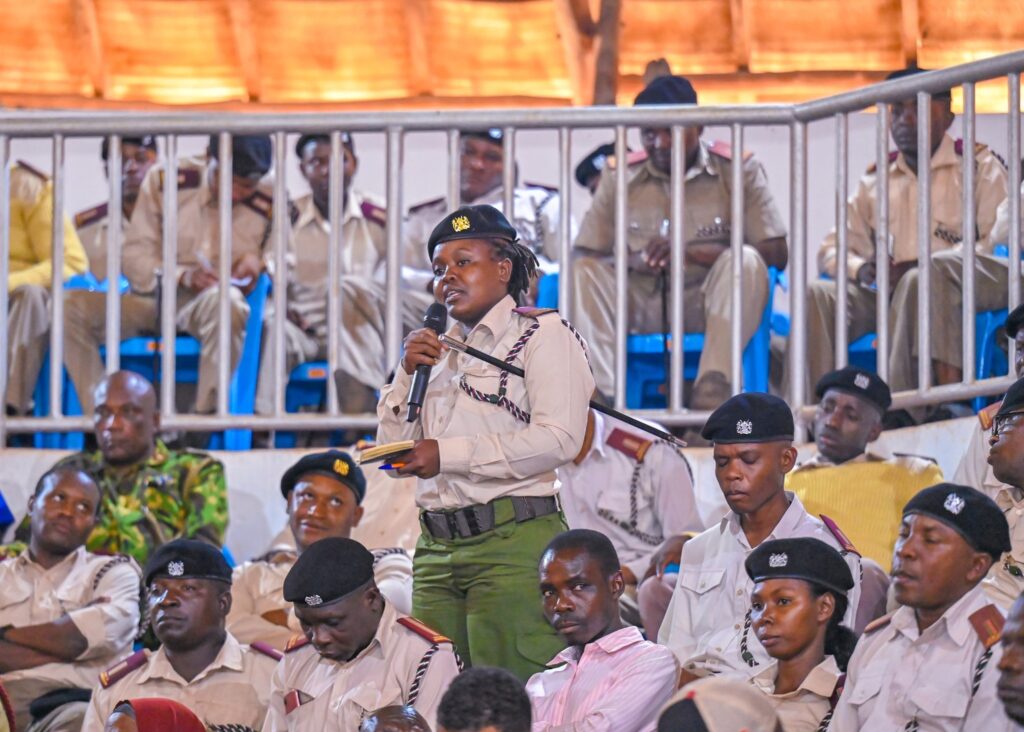
These stakeholders, working together, have created a comprehensive framework for addressing violent extremism in Kenya, ensuring that security, development, and community engagement are integrated into Kenya’s broader strategy for peacebuilding and stability.
Challenges in Peacebuilding and Preventing Violent Extremism
Despite the dedicated efforts of various stakeholders, Kenya continues to grapple with significant challenges in its fight against violent extremism and its broader peacebuilding initiatives. While government agencies, international partners, civil society organizations, and local communities have all contributed to mitigating radicalization and violence, deep-seated structural and socio-economic issues continue to pose significant obstacles. Understanding these challenges is crucial in formulating more effective, sustainable, and community-centered solutions.
- Socio-Economic Inequalities and Marginalization
One of the most persistent challenges in Kenya’s fight against violent extremism is economic disparity and marginalization, particularly in regions such as North Eastern Kenya, Coastal Kenya, and certain areas of Rift Valley and Western Kenya. These regions have long suffered from underdevelopment, inadequate infrastructure, limited employment opportunities, and poor access to essential services such as education, healthcare, and clean water.
The lack of economic opportunities and a sense of political exclusion have created a deep-seated feeling of alienation among certain communities. Extremist groups, particularly Al-Shabaab, have exploited these conditions by offering financial incentives, employment, and a sense of belonging to disillusioned individuals—particularly young men who feel abandoned by the government.
Furthermore, the unequal distribution of national resources has fueled grievances that extremists manipulate to recruit new members. Many individuals in marginalized communities believe that government development efforts are concentrated in more affluent regions, leaving them feeling excluded and resentful. Without comprehensive economic inclusion strategies, radical groups will continue to capitalize on these frustrations to justify extremist ideologies and recruit vulnerable individuals.
- Youth Radicalization and Recruitment
The radicalization of young people remains one of the most alarming security challenges in Kenya. Youth, particularly those unemployed or underemployed, are often targeted by extremist groups with promises of financial rewards, social belonging, and ideological purpose. The lack of access to quality education and vocational training opportunities further limits their chances of securing stable employment, making them more susceptible to extremist recruitment tactics.
The proliferation of social media and digital platforms has exacerbated radicalization, allowing extremist recruiters to reach a wider audience and manipulate young minds more easily. Platforms such as WhatsApp, Telegram, YouTube, and Facebook have become breeding grounds for extremist propaganda, where radical groups spread misinformation, extremist ideologies, and calls to violence. The anonymity of the internet also makes it difficult for authorities to track radicalized individuals before they commit acts of extremism.
In some cases, university students and highly educated youth have been radicalized through intellectual justifications of extremism, where religious and political narratives are distorted to legitimize violence and anti-government sentiment. Without robust counter-radicalization programs that focus on education, digital literacy, and alternative opportunities, the recruitment of young people into violent extremism will remain a significant problem.
- Lack of Trust Between Communities and Security Agencies
A persistent challenge in Kenya’s counter-extremism landscape has been the trust deficit between communities and security agencies, particularly in historically sensitive regions. Recent approaches have placed greater emphasis on structured community engagement, rights-based policing, and professionalised security operations that balance enforcement with accountability. These measures are intended to strengthen public confidence, improve intelligence cooperation, and reduce the space within which extremist narratives exploit perceptions of exclusion or collective punishment.
While law enforcement agencies play a crucial role in countering violent extremism, excessive force and indiscriminate crackdowns on entire communities suspected of harboring extremists have led to resentment and fear among local populations. In some cases, security operations have alienated innocent civilians, making them less willing to cooperate with law enforcement agencies in identifying and reporting extremist activities.
Extremist groups exploit this mistrust by portraying security forces as oppressors, reinforcing anti-government sentiments and deepening the cycle of radicalization. Building trust and cooperation between communities and law enforcement is therefore essential to ensuring effective intelligence-sharing, community-led security initiatives, and early interventions in preventing radicalization.
- Cross-Border Terrorism and Infiltration by Al-Shabaab
Kenya shares a long, porous border with Somalia, making it vulnerable to cross-border terrorism and infiltration by Al-Shabaab operatives. The weak security infrastructure along the Kenya-Somalia border allows extremist groups to:
- Move weapons and personnel across the border undetected.
- Recruit fighters from Kenyan communities, particularly in Garissa, Mandera, and Wajir counties.
- Launch cross-border attacks on Kenyan security forces and civilians.
The lack of strong border control measures, coupled with ongoing instability in Somalia, makes it difficult for Kenya to completely neutralize terrorist activities originating from across the border. Although Kenyan security forces have strengthened border patrols and surveillance, Al-Shabaab remains a resilient and adaptive adversary that continues to pose a serious challenge to peace and security.
- Weak Rehabilitation and Reintegration Programs for Former Extremists
Rehabilitation and reintegration remain critical components of sustainable counter-extremism, requiring carefully structured, intelligence-informed, and risk-managed frameworks. Current thinking increasingly emphasises controlled reintegration pathways that combine psychosocial support, economic reinsertion, and community preparedness with robust security oversight. This calibrated approach seeks to prevent re-radicalisation while safeguarding public confidence and ensuring that reintegration contributes to long-term stability rather than renewed insecurity.
Some of the challenges in this area include:
- Lack of proper rehabilitation centers for returnees who voluntarily surrender.
- Community stigma and rejection, as many former extremists are seen as security threats rather than individuals who can be rehabilitated.
- Limited economic opportunities for reintegrated individuals, which increases the risk of them returning to extremist networks out of financial desperation.
Without effective reintegration policies, psychosocial support programs, and community acceptance initiatives, Kenya risks creating a cycle where former extremists struggle to reintegrate, face alienation, and ultimately revert to extremist activities.
Strategies for Peacebuilding and Preventing Violent Extremism
Recognizing these challenges, Kenya has adopted a multi-pronged strategy that integrates security measures, economic development, community engagement, and digital counter-radicalization efforts to build sustainable peace.
- The Bottom-Up Economic Transformation Agenda (BETA) and Socio-Economic Development
One of the most effective long-term solutions to extremism is addressing the economic disparities that fuel radicalization. The Bottom-Up Economic Transformation Agenda (BETA) aims to:
- Expand economic opportunities for marginalized communities through youth employment programs, entrepreneurship initiatives, and skills training.
- Invest in infrastructure development, ensuring that historically neglected regions benefit from roads, electricity, and access to markets.
- Provide funding for small and medium-sized enterprises (SMEs) to reduce dependency on illicit economies that fund extremism.
- Promotion of Interfaith Dialogue and Religious Tolerance
The Inter-Religious Council of Kenya (IRCK) has been instrumental in:
- Fostering dialogue between Muslim, Christian, and indigenous faith leaders to promote religious coexistence.
- Organizing peace forums and community engagement programs to counter extremist ideologies.
- Working with madrassas, churches, and religious institutions to ensure religious teachings promote peace and reject violence.
- Expanding Access to Quality Education
Education plays a fundamental role in preventing radicalization. The Kenyan government, in collaboration with UNDP, KOICA, and local NGOs, has:
- Expanded educational programs in marginalized regions, ensuring that at-risk youth receive quality education.
- Incorporated peace education into school curricula, equipping young people with skills to reject extremist ideologies.
- Provided scholarships and vocational training to prevent youth from being recruited into extremist groups due to financial desperation.
- Strengthening Community Policing and Trust-Building Initiatives
To rebuild trust between communities and security agencies, Kenya has promoted:
- Community policing programs that involve local leaders in security efforts.
- Early warning and intelligence-sharing initiatives to detect radicalization before it escalates into violence.
- Human rights-based training for security forces, ensuring law enforcement operations respect civilian rights.
By combining economic inclusion, education, religious tolerance, and community policing, Kenya is taking significant steps toward sustainable peace and security. However, ongoing collaboration between government agencies, civil society, and international partners is necessary to fully address the deep-rooted factors driving violent extremism in the country.
The Importance of Grassroots Involvement in Peacebuilding and Preventing Violent Extremism
Grassroots involvement is a cornerstone of effective peacebuilding and counter-extremism strategies. Sustainable peace and security cannot be imposed from the top-down alone, they require the active participation of local communities to address the root causes of violence, enhance social cohesion, and foster long-term resilience.
Kenya’s Bottom-Up Economic Transformation Agenda (BETA) recognizes that community-driven solutions are far more effective than externally imposed programs. By integrating grassroots perspectives into national security policies, economic programs, and peacebuilding initiatives, Kenya can empower local communities to take charge of their own safety and development.
- Enhancing Community Participation in Peacebuilding
When communities are involved in the design, implementation, and monitoring of peace initiatives, they are more likely to take ownership of these efforts, ensuring that they are sustainable and effective in the long run. Community involvement ensures that peacebuilding programs are tailored to the unique challenges of each region.
For example:
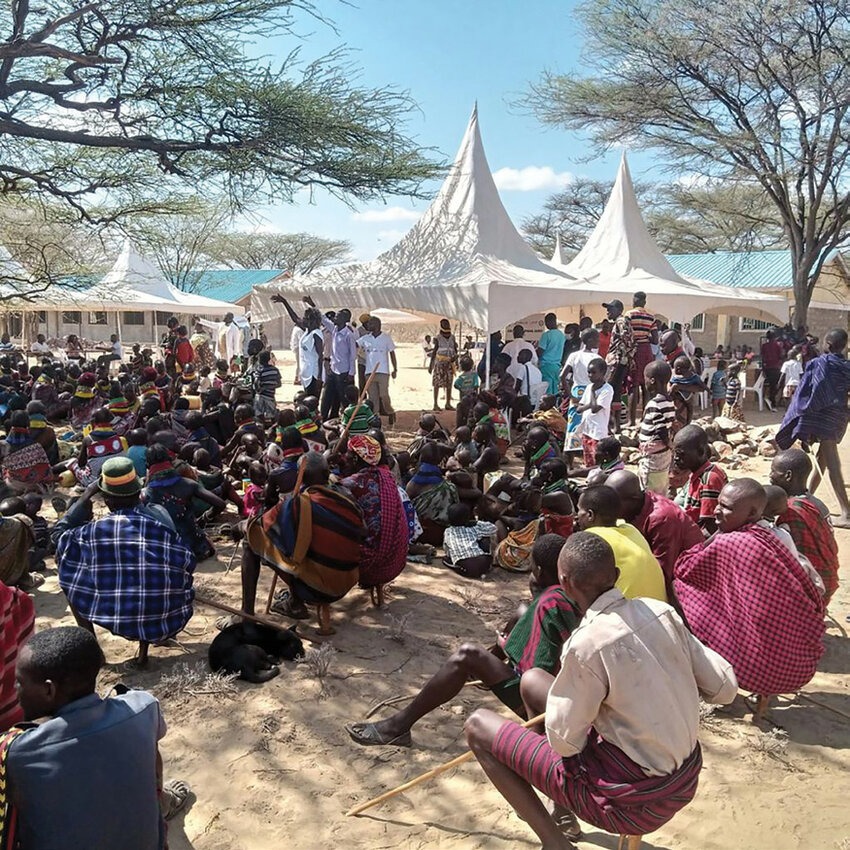
- In Northern Kenya, peace efforts must account for inter-clan disputes, land conflicts, and the cross-border movement of armed groups.
- In urban areas like Nairobi and Mombasa, peace programs must address youth unemployment, gang violence, and digital radicalization.
- In pastoralist communities, where disputes over water and grazing land have fueled tensions, peace initiatives should focus on resource-sharing mechanisms.
By engaging local leaders, youth, and religious figures in dialogue forums, policy discussions, and security initiatives, the government ensures that peacebuilding efforts resonate with the affected communities and address their actual needs.
- Strengthening Trust Between Communities and Authorities
One of the greatest challenges in countering violent extremism in Kenya is the strained relationship between communities and security forces. In some regions, particularly in North Eastern Kenya, the Coast, and parts of Rift Valley, communities have historically viewed security agencies as oppressive rather than protective. Reports of extrajudicial killings, arbitrary arrests, and racial profiling have led to a lack of cooperation between civilians and law enforcement.
However, grassroots peacebuilding efforts help bridge this gap. Community policing programs, dialogue sessions, and local peace committees allow security agencies to engage with citizens in a non-confrontational manner, leading to greater cooperation, intelligence sharing, and collective problem-solving.
In regions where local peace committees have been formed:
- Incidents of communal violence have declined due to direct engagement between law enforcement and community members.
- More intelligence on extremist activities is shared, allowing authorities to respond proactively rather than reactively.
- Public confidence in security agencies has improved, leading to stronger community resilience against extremist narratives.
By strengthening collaboration between citizens and law enforcement, grassroots involvement fosters a culture of mutual trust and responsibility, essential for long-term security and stability.
The Role of Traditional Conflict Resolution Mechanisms in Peacebuilding
Kenya has a rich history of traditional dispute resolution mechanisms, many of which predate modern legal systems. These community-based mediation methods have proven highly effective in resolving conflicts, particularly in rural and marginalized regions where access to formal courts is limited.
- The Role of Elders and Community Leaders in Mediation
In many Kenyan communities, elders and community leaders play a critical role in conflict resolution. These individuals, respected for their wisdom and impartiality, are often called upon to mediate disputes, enforce customary laws, and promote reconciliation.
- In pastoralist communities, where conflicts over grazing land and water resources are common, elders negotiate peace agreements between rival groups to prevent violent confrontations.
- In ethnically diverse areas, traditional mediators facilitate dialogues to resolve tensions between different groups.
- In cases of intra-family conflicts, local elders provide counseling and dispute resolution, preventing domestic disputes from escalating into broader communal violence.
- Integrating Traditional and Modern Peacebuilding Approaches
While traditional mechanisms are effective, they work best when integrated with modern governance systems. Kenya’s legal framework has made provisions for traditional justice mechanisms, particularly in cases where formal court proceedings may be impractical or too costly.
Some initiatives that reflect this integration include:
- Hybrid peace committees, where traditional elders work alongside government officials and law enforcement.
- Recognition of traditional rulings in land disputes, reducing the burden on formal courts.
- Community reconciliation programs that blend traditional healing practices with modern psychological counseling.
By leveraging the strengths of both traditional and formal conflict resolution approaches, Kenya can create a more inclusive and accessible justice system, particularly for communities that rely heavily on customary laws.
The Role of Women in Peacebuilding and Preventing Violent Extremism
Women are often the first to notice early signs of radicalization within families and communities. As mothers, caregivers, and educators, women play a critical role in preventing violent extremism at its roots.
- Women as Early Responders in Counter-Radicalization
Because of their close ties to family and community networks, women are uniquely positioned to identify behavioral changes that may indicate radicalization. These changes include:
- Withdrawal from family and social activities.
- Sudden adoption of extremist ideologies.
- Secretive behavior, changes in speech, or interactions with radical groups.
Empowering women with knowledge on how to recognize and intervene in cases of radicalization can help prevent individuals from joining extremist groups before it is too late.
- Women-Led Peacebuilding Initiatives
Across Kenya, women-led organizations and peace movements have played an essential role in promoting peace, fostering inter-community dialogue, and advocating for policies that support security and stability.
- Women’s peace networks organize community dialogues and reconciliation meetings to heal divisions caused by past violence.
- Female community leaders work to reintegrate ex-militants and radicalized youth into society through mentorship and economic programs.
- Women’s self-help groups provide financial independence, reducing economic vulnerabilities that extremists exploit to recruit members.
Investing in women’s empowerment and leadership in peace processes can significantly enhance community resilience against extremism and conflict.
The Role of Media in Peacebuilding and Preventing Violent Extremism
The media is one of the most influential tools in shaping public perception of conflict, security, and peace. It has the power to amplify narratives of peace and reconciliation or, conversely, to spread misinformation and fuel divisions.
- Countering Extremist Propaganda
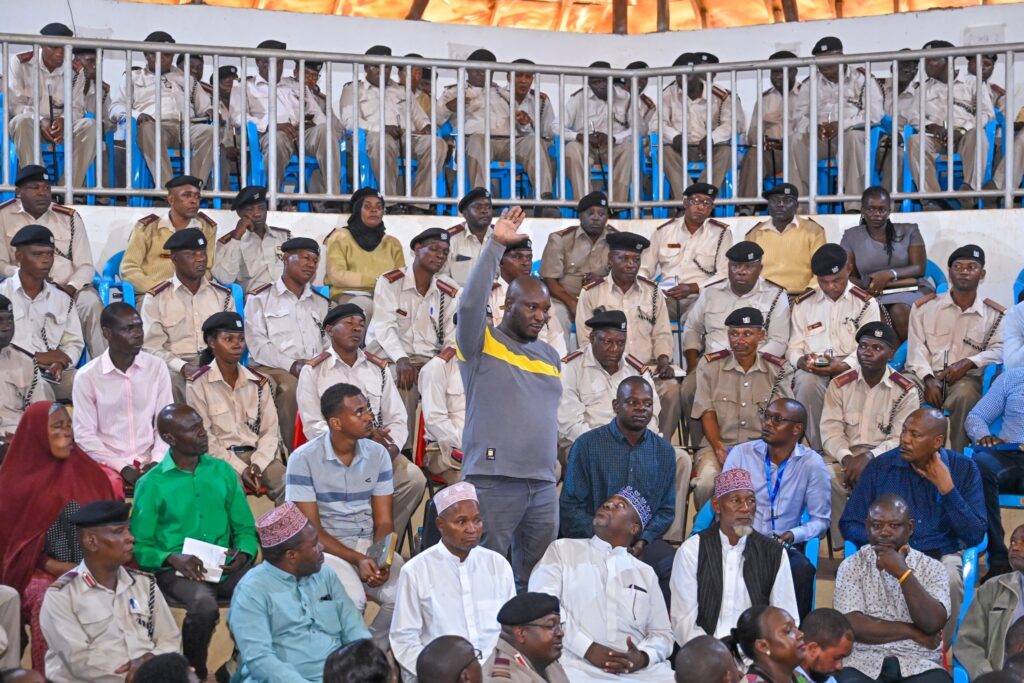
Extremist groups use media platforms, particularly social media, to recruit, radicalize, and spread propaganda. However, responsible journalism can counter these narratives by:
- Exposing the realities of extremist violence, dissuading potential recruits from joining such groups.
- Highlighting stories of successful de-radicalization, encouraging individuals to leave extremist movements.
- Promoting interfaith and interethnic dialogue, reinforcing messages of peace and unity.
- Responsible Reporting and Conflict-Sensitive Journalism
Sensationalist media coverage can escalate tensions and increase polarization. To prevent this, the government and civil society organizations have launched training programs for journalists on:
- Ethical and conflict-sensitive reporting, ensuring that media narratives promote peace rather than division.
- Fact-checking initiatives to combat misinformation and extremist propaganda.
- Promoting local voices in peacebuilding, giving communities a platform to share their stories of reconciliation and resilience.
The Role of Technology in Preventing Violent Extremism
Technology continues to function as both an operational domain for extremist activity and a strategic instrument for counter-extremism enforcement. Recent emphasis has shifted toward proactive interdiction, cyber-forensics, and disruption of online recruitment ecosystems, supported by data analytics and platform-level accountability. These tools are increasingly being deployed to identify networks early, dismantle digital propaganda channels, and prevent online radicalisation from translating into physical security threats.
As digital platforms continue to evolve, it is imperative that Kenya remains at the forefront of technological advancements to counter emerging threats. AI-powered security tools, cybersecurity measures, and online peacebuilding initiatives will play a critical role in shaping a more informed, resilient, and secure society that is resistant to digital radicalization.
Digital Counter-Radicalization Efforts
Kenyan authorities, civil society organizations, and technology companies have made significant investments in digital counter-radicalization initiatives aimed at preventing online recruitment, extremist propaganda, and misinformation campaigns. These efforts center around countering radical narratives, enhancing online surveillance, and improving digital literacy.
Social Media Campaigns to Counter Extremist Narratives
Extremist groups use social media platforms such as Facebook, YouTube, Telegram, WhatsApp, and Twitter to spread propaganda and radicalize vulnerable individuals. In response, government agencies, religious organizations, and youth-led movements have launched digital counter-narrative campaigns aimed at challenging extremist rhetoric and promoting messages of peace and inclusion.
- Youth-led storytelling initiatives highlight the dangers of extremism by sharing real-life accounts from former extremists and victims of terror attacks.
- Government-sponsored awareness campaigns use videos, infographics, and interactive content to debunk extremist misinformation.
- Religious leaders and scholars use social media to clarify religious misconceptions, ensuring that radical ideologies do not gain traction among vulnerable youth.
By increasing positive engagement on digital platforms, these campaigns provide alternative narratives that challenge the divisive messages spread by extremists.
AI-Driven Surveillance Systems to Track and Prevent Online Recruitment
Artificial intelligence (AI) and big data analytics are increasingly being used to monitor extremist activities on digital platforms. Kenyan security agencies, in collaboration with international cybersecurity firms, have deployed:
- AI-powered content moderation tools that automatically detect and remove extremist content from social media platforms.
- Machine learning algorithms that analyze online behavior patterns to predict potential radicalization trends.
- Dark web monitoring tools that track encrypted extremist communications and illegal financial transactions linked to terrorist organizations.
- Facial recognition and predictive analytics that help law enforcement identify known extremists and their networks.
By strengthening digital surveillance capabilities, Kenyan authorities can preemptively disrupt online radicalization efforts and dismantle extremist networks before they gain traction.
Digital Literacy Programs to Educate Youth on Recognizing and Rejecting Extremist Content
One of the most effective tools in preventing online radicalization is educating young people on digital literacy and critical thinking. Many extremist groups exploit misinformation, conspiracy theories, and emotional manipulation to lure vulnerable individuals into their networks.
In response, Kenya has launched nationwide digital literacy programs that:
- Teach students and young professionals how to identify extremist propaganda and recognize manipulative tactics used by recruiters.
- Promote critical thinking and media literacy, ensuring that individuals verify online content before accepting it as truth.
- Encourage safe online practices, such as avoiding engagement with suspicious individuals and reporting extremist content.
By integrating digital literacy training into school curricula and community outreach programs, Kenya is equipping its citizens with the knowledge and skills needed to resist online radicalization.
Online Peace Platforms
Beyond countering extremist content, technology is also a powerful tool for fostering peace, tolerance, and interfaith dialogue. Digital platforms provide safe spaces for community engagement, conflict resolution, and mentorship programs, ensuring that young people have alternative pathways to belonging and purpose outside extremist networks.
Interfaith Dialogue and Conflict Resolution Training
Kenya has established several online platforms that bring together individuals from different religious, ethnic, and cultural backgrounds to promote tolerance, peaceful coexistence, and constructive dialogue.
- Virtual interfaith forums allow Christian, Muslim, and traditional religious leaders to collaborate on peace messaging campaigns, reinforcing unity across faiths.
- Online mediation programs connect community members with trained peace practitioners to resolve disputes before they escalate into violence.
- Digital storytelling platforms enable victims of extremism to share their experiences, helping humanize the consequences of radicalization and dissuade potential recruits from joining violent groups.
By fostering dialogue, understanding, and reconciliation, these platforms help create a more cohesive and peaceful society that is resistant to extremist divisions.
Online Community Engagement and Youth Empowerment
To prevent youth from falling into the trap of radicalization, Kenyan organizations have launched online peacebuilding initiatives that provide:
- Virtual mentorship programs where professionals guide young people on career development, leadership skills, and civic engagement.
- Social impact challenges that encourage youth to develop community-based projects aimed at peace promotion and social cohesion.
- Live-streamed educational workshops on topics such as countering misinformation, promoting diversity, and conflict resolution.
By utilizing digital platforms to provide opportunities, mentorship, and positive reinforcement, these initiatives ensure that at-risk youth find purpose in constructive endeavors rather than extremist ideologies.
Strengthening the Role of Technology in Countering Violent Extremism
While Kenya has made significant progress in using technology to combat violent extremism, there is still room for improvement and innovation. The future of counter-extremism efforts should focus on:
Expanding Public-Private Partnerships
The fight against digital radicalization requires stronger collaboration between governments, tech companies, civil society organizations, and academic institutions. Kenya should:
- Strengthen partnerships with global technology firms (Google, Meta, Twitter, etc.) to enhance automated detection and removal of extremist content.
- Encourage corporate social responsibility programs that fund youth digital innovation hubs focused on peacebuilding solutions.
- Work with universities and research institutions to develop new strategies for digital counter-radicalization.
Advancing AI and Cybersecurity Capabilities
Extremist groups are becoming increasingly sophisticated in their online operations, requiring Kenya to invest in cutting-edge cybersecurity technologies to stay ahead of threats. Future investments should include:
- Enhanced AI-powered predictive analytics to detect early warning signs of radical activity.
- Natural language processing (NLP) algorithms to analyze extremist conversations on encrypted messaging platforms.
- Automated chatbots that engage with at-risk individuals, redirecting them to counseling, mentorship, and rehabilitation programs.
Expanding Digital Law Enforcement and Cyber Forensics
Kenya must also strengthen its cybersecurity infrastructure to track extremist financing and disrupt illicit digital activities linked to terrorism. Priorities should include:
- Implementing stronger cybersecurity policies to combat cyber terrorism and extremist propaganda.
- Training law enforcement agencies in digital investigations and forensic analysis to track down online extremist cells.
- Strengthening laws on online hate speech, cyber terrorism, and extremist content dissemination.
Harnessing Technology for a Safer and More Resilient Kenya
Technology has become a double-edged sword in the fight against violent extremism, while extremist groups use it for recruitment and propaganda, it also serves as a powerful weapon for counter-radicalization, surveillance, and peacebuilding.
By leveraging AI-driven counterterrorism measures, digital literacy programs, online peace platforms, and responsible media engagement, Kenya can neutralize extremist threats while promoting a culture of peace and resilience. Proactive policies, continued innovation, and multi-sector collaboration will ensure that technology is a force for unity, education, and security rather than a tool for division and violence.
Conclusion: A Unified Path Toward Sustainable Peace and Security in Kenya
The fight against violent extremism and insecurity in Kenya is a complex, multi-dimensional challenge that requires a cohesive, well-coordinated, and strategic approach. The second Steering Committee meeting of the Peacebuilding and Preventing Violent Extremism Programme, chaired by Principal Secretary Dr. Raymond Omollo, reflects the government’s unwavering commitment to addressing the root causes of radicalization, strengthening community resilience, and fostering long-term peacebuilding initiatives.
Kenya’s approach to countering violent extremism has evolved beyond conventional security measures to include socio-economic development, grassroots empowerment, digital counter-radicalization, and interfaith dialogue. The Bottom-Up Economic Transformation Agenda (BETA) serves as a vital framework in this effort, ensuring that peacebuilding programs are community-driven, inclusive, and aligned with the needs of vulnerable populations. By strengthening economic opportunities, investing in education, and promoting civic participation, Kenya is laying the groundwork for a more stable and resilient society that is resistant to extremist influences.
While the challenges associated with violent extremism remain complex and evolving, Kenya’s current trajectory reflects growing institutional coherence, execution discipline, and policy continuity. The convergence of security operations, economic inclusion, community engagement, and digital enforcement provides a durable foundation for sustained peacebuilding. With continued coordination across government, partners, and communities, these interventions are positioned to progressively reduce vulnerability to extremism and strengthen national resilience over the medium to long term.
The role of women in peacebuilding must also be elevated, recognizing their unique position as community leaders, caregivers, and early responders to radicalization. Their engagement in policy formulation, community mediation, and rehabilitation efforts will be essential in preventing the resurgence of violent extremism. Similarly, traditional conflict resolution mechanisms, led by elders and religious leaders, must be integrated with formal justice systems to enhance local dispute resolution and social cohesion.
The media and digital technology also play a critical role in shaping narratives around peace and security. Ethical journalism, digital literacy programs, and online counter-extremism campaigns should be strengthened to combat misinformation, dismantle extremist propaganda, and promote positive narratives of coexistence and tolerance.
Ultimately, sustainable peace and security in Kenya can only be achieved through the collective efforts of all stakeholders, including the government, civil society organizations, international partners, religious institutions, private sector players, and local communities. By enhancing collaboration, fostering inclusive governance, and investing in long-term development solutions, Kenya can build a society where violent extremism is no longer a threat, and where peace, prosperity, and unity become the foundation of national progress.
The road ahead demands continued vigilance, innovation, and unwavering commitment from all sectors of society. But with a shared vision and sustained multi-stakeholder engagement, Kenya has the potential to set a global precedent in peacebuilding and counter-extremism efforts, creating a future where all citizens can live without fear, and where national progress is built on the pillars of peace, security, and social cohesion.
