

PART 1: Context and Foundations
Introduction
On 2nd December 2025, the Ministry of Interior and National Administration formally presented the consolidated Jukwaa la Usalama Report to H.E. President William Ruto at State House Nairobi. The document reflects the Ministry’s comprehensive effort to map Kenya’s current security environment through structured engagements held across all 47 counties. Under the leadership of Cabinet Secretary Kipchumba Murkomen and Principal Secretary Dr. Raymond Omollo, the Jukwaa la Usalama initiative generated region-specific insights that capture the pressures, behavioural patterns, institutional gaps and operational challenges influencing safety across the country.
The report serves as a detailed diagnostic of Kenya’s security situation. It compiles the issues consistently raised during county engagements, the operational realities described by frontline officers, and the administrative observations captured by local security structures. It provides a framework through which the Ministry can organise national planning, resource deployment, capability enhancement and coordination reforms. This article begins by examining the context in which the report was developed and the rationale behind the Ministry’s decision to undertake a nationwide consultation process.
- Why the Ministry Undertook a Countrywide Security Assessment
The Ministry of Interior initiated the 47-county exercise to obtain a grounded and accurate understanding of Kenya’s evolving security environment. CS Kipchumba Murkomen and PS Dr. Raymond Omollo directed that each county produce a structured account detailing its most pressing concerns, recurring patterns, and operational realities. This approach enabled the Ministry to build a national picture informed by the specific conditions shaping each region.
Security pressures differ sharply across the country.
- Regions with pastoral activity experience livestock theft, armed movement, and tensions linked to grazing routes.
- Urban counties report rising property crime, narcotics circulation, commercial disputes, cyber-enabled offences and heightened demand for policing.
- Border regions contend with human mobility, smuggling networks and exposure to external influence.
- Agricultural zones raise concerns related to land boundaries, resource competition, and seasonal conflict triggers.
- Rapidly growing towns highlight issues linked to settlement expansion, employment pressure and shifting demographic patterns.
To interpret these variations effectively, the Ministry needed information beyond incident reports. The Jukwaa la Usalama sessions created a platform where administrators, officers and community representatives clarified:
- incidents shaping public anxiety in each locality
- trends indicating shifts in criminal behaviour
- gaps affecting the ability of officers to respond
- disputes or pressures influencing cohesion
- systemic challenges requiring central government intervention
- areas where coordination across agencies can strengthen outcomes
This process produced an evidence base that gives meaning to regional differences and supports the Ministry’s broader reform agenda.
PART 2: Methodology and Execution of the 47-County Security Consultations
The Jukwaa la Usalama consultations were undertaken to generate a comprehensive understanding of Kenya’s evolving security environment. The Ministry of Interior applied a structured approach that combined administrative coordination, operational insight and community-level intelligence. The aim was to produce a national security assessment grounded in verifiable information and nuanced regional realities. The process ensured that every county contributed its distinct voice, creating a layered set of findings that inform the Ministry’s strategic positioning moving forward.
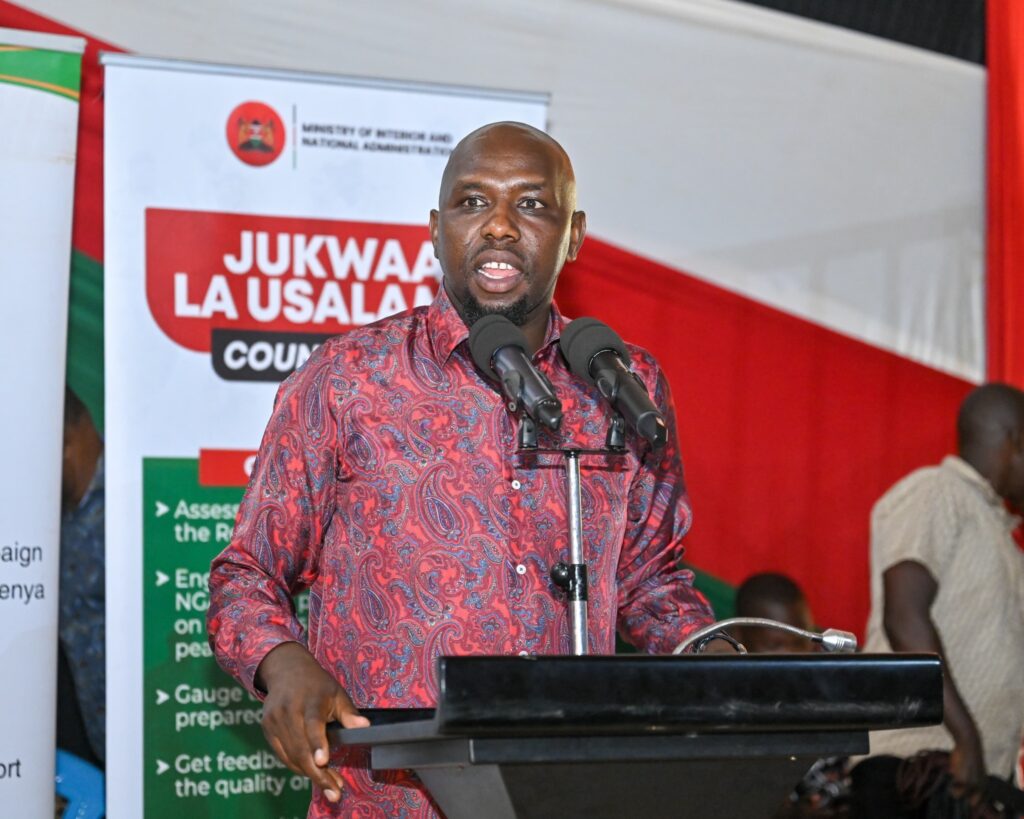
Administrative Architecture Guiding the Consultations
The Ministry used Kenya’s established governance system as the backbone of the exercise. County Commissioners led the engagements, supported by Deputy County Commissioners, Assistant County Commissioners, Chiefs, and NGAO field structures. Security commanders from the National Police Service, APS, DCI and specialised formations integrated operational context into the discussions. This framework ensured consistency in execution while allowing each location to articulate its unique conditions.
Each county was required to document its security environment through structured categories—incidents, underlying drivers, operational constraints and coordination challenges. The administrative leadership ensured disciplined data collection, adherence to the Ministry’s objectives and accurate representation of local realities.
Composition of Participants and Their Strategic Value
The strength of the Jukwaa la Usalama consultations lay in the diversity of the participants. Each group offered insights that served a specific analytical purpose, enabling the Ministry to build a multi-dimensional picture of Kenya’s security posture.
Community-Level Participants
- Community representatives provided detailed accounts of behavioural shifts, unusual activity patterns and local tension points that often precede incidents. They described how insecurity emerges gradually through changes in movement patterns, unexplained presence of unfamiliar individuals, or rising friction in neighbourhoods and marketplaces. Their testimonies helped the Ministry trace how fear spreads within communities and how early signals of risk are interpreted. This contribution strengthened the Ministry’s ability to link social dynamics to emerging threats.
- Women’s groups, traders, and transport operators offered insights into vulnerabilities encountered during business operations, transit routes and daily economic activities. They explained how insecurity affects business hours, limits access to markets, and alters customer behaviour. They also provided examples of harassment, extortion attempts, and risks faced during early-morning or late-evening work. Their experiences highlighted the economic dimension of security and the link between safety and livelihood stability.
- Youth groups articulated pressures affecting young people including exposure to drugs, recruitment into risky activities and influence from online networks that distort judgement. They described how idle youth become targets for manipulation and how peer dynamics shape decisions during moments of tension. Their insights clarified the behavioural and social triggers that place young people at the centre of many emerging security concerns. This perspective added a generational lens to the Ministry’s assessment.
Local Administration Structures
- Chiefs, assistant chiefs and village elders presented a long-term view of security shaped by decades of community interaction. They explained how disputes evolve through phases, from silent disagreement to open confrontation, and how unresolved grievances widen divisions over time. Their administrative logs, household records and dispute registers allowed the Ministry to identify recurring conflict sources linked to land boundaries, inheritance, resource competition and family disputes. Their insights added historical continuity to the report’s findings.
- Administrators also outlined institutional pressures such as rising populations in expanding townships, limited mediation tools and gaps in documentation that complicate dispute resolution efforts. They described situations where conflicting parties lacked formal structures for settlement, leading to unnecessary escalation. The Ministry used these contributions to evaluate where administrative capacity must be reinforced or redesigned.
Security Officers and Command Teams
- Police commanders and intelligence teams provided operational clarity on the constraints affecting effective response. They described mobility challenges in regions with inadequate road networks, delays caused by limited fleet capacity, and difficulties encountered when coordinating action across large geographical areas. They also outlined investigative workloads that exceed available personnel and the pressures created by shifting crime patterns in growing urban centres. Their input anchored the report in operational realism.
- Specialised units contributed insights on cross-border activity, organised criminal networks and routes used for illicit trade or trafficking. Their knowledge helped the Ministry map external influences affecting local stability and highlighted the importance of coordination between counties and national agencies. Their perspective reinforced the need for stronger multi-agency frameworks.
Sector-Specific Actors
- Teachers, health professionals and community service providers described risks emerging within schools, public spaces and social institutions. They explained how drug circulation reaches students, how peer influence fuels behavioural risks, and how certain social environments become pressure points for conflict. Their contributions helped clarify vulnerabilities affecting children and adolescents.
- Pastoral leaders and agricultural cooperatives outlined patterns affecting grazing corridors, crop zones and livestock movement routes. They presented detailed explanations of seasonal pressures, historical pathways and economic triggers that influence conflict. Their insights helped the Ministry connect resource-based disputes with broader regional dynamics.
Nature of Information Collected During the Consultations
The Ministry ensured that each county produced a holistic security profile with clearly defined dimensions that allowed deeper interpretation.
Incident Visibility and Frequency
Counties documented the incidents shaping their safety environment including theft, assault, vandalism, estate-level crime, drug distribution, commercial fraud, cyber offences, land disputes, domestic violence, resource conflict and irregular movements across administrative boundaries. These submissions revealed patterns that travel beyond individual cases and point to shifting social behaviour and latent vulnerabilities.
Underlying Drivers of Tension
Participants outlined the social, economic and environmental forces responsible for generating instability. These included prolonged drought affecting pastoral communities, rapid migration into urban centres, commercial competition in high-growth areas, boundary disputes in agricultural zones, unemployment pressures influencing youth behaviour and misinformation circulating through informal networks. This layer helped the Ministry differentiate between symptoms and root causes.
Operational Constraints Affecting Response
Security officers gave detailed explanations of how logistics, equipment and personnel levels influence the timeliness and quality of response. They cited limitations in patrol vehicles, communication gaps in remote regions, shortage of specialised officers, increasing investigative caseloads and rising demand created by expanding settlements. This allowed the Ministry to identify where capability enhancement is required.
Coordination Requirements Across Agencies
Counties highlighted the need to strengthen interaction between NGAO structures, police units, intelligence teams, county disaster systems and specialised formations. They noted instances where coordination gaps slowed intervention or complicated escalation during high-pressure situations. This clarified where new frameworks, shared systems or joint protocols are necessary.
Verification and Consolidation of County Submissions
The Ministry applied a rigorous validation process before integrating county findings into the national report. All submissions were cross-checked with occurrence books, intelligence notes, case files, chiefs’ registers and administrative documentation. Commanders reviewed summaries to ensure that each issue had operational grounding. County teams were asked to verify long-term trends to prevent distortion arising from isolated events.
After validation, each county prepared a consolidated summary capturing its key concerns, historical patterns, pressure points, capability requirements and recommended interventions. These were escalated to the Ministry’s headquarters, where a technical team synthesised them into the final Jukwaa la Usalama Report presented to the President.
PART 3: Key Security Trends and Pressures Identified Across the 47 Counties
The consolidated findings from the Jukwaa la Usalama consultations reveal a security environment shaped by social behaviour, economic pressures, environmental stress, shifting crime patterns and operational constraints. The Ministry used these insights to identify the persistent themes influencing stability across counties. This section outlines the core pressures that emerged repeatedly during the engagements and that now anchor the Ministry’s strategic priorities.
Persistent and Emerging Crime Patterns
Counties documented a wide range of criminal activities that vary in scale and intensity but share underlying behavioural and economic drivers. These trends present distinct challenges for officers and communities:
- Urban counties reported significant pressure from property-related crimes, gang formation, cyber-enabled fraud and drug distribution networks that adapt quickly to population growth and rising commercial activity. Officers observed how criminal groups blend into dense settlements, making detection difficult, while community representatives highlighted the fear created by sudden spikes in estate-level break-ins, harassment incidents and narcotics circulation. This category of crime reflects the rapid urban transformation occurring in many parts of the country.
- Rural and agricultural regions identified threats linked to land disputes, boundary conflicts and competition over water or crop resources. These issues often draw in entire families or clans, creating tensions that last for extended periods before erupting into violence. Administrators described how small disagreements escalate due to lack of documentation, unclear inheritance arrangements or shifting settlement patterns. These disputes remain among the most sensitive sources of conflict because they involve livelihoods and identity.
- Coastal, lake-basin and border counties highlighted risks associated with illicit trade, irregular movement of people, and infiltration by criminal networks using waterways and border corridors. Local officers described the logistical challenges of monitoring expansive movement routes, while community members pointed out the social disruptions created by outsiders with unclear intentions. These dynamics underline the importance of surveillance, intelligence integration and coordinated border management.
Pressures Arising From Youth-Related Vulnerabilities
Youth issues emerged as a prominent theme in almost every county. Their involvement in both positive and risky behaviour patterns shapes the national security landscape in significant ways.
- Many counties reported rising exposure of young people to drug use, criminal recruitment and digital manipulation. Youth leaders explained how limited economic opportunities, peer influence and unregulated online spaces expose young people to organised groups seeking easy leverage. Officers observed that youth-driven offences occur in clusters, demonstrating the influence of group dynamics rather than individual initiative. These trends indicate the need for structured youth engagement and targeted prevention strategies.
- Urban counties noted behavioural shifts among adolescents linked to school pressure, influence from social media, and rapid lifestyle changes. Teachers and counsellors described students who experience stress, identity conflict or exposure to harmful trends that shape their decisions. These factors require coordinated intervention involving schools, chiefs, parents and officers to prevent vulnerability from graduating into criminal activity.
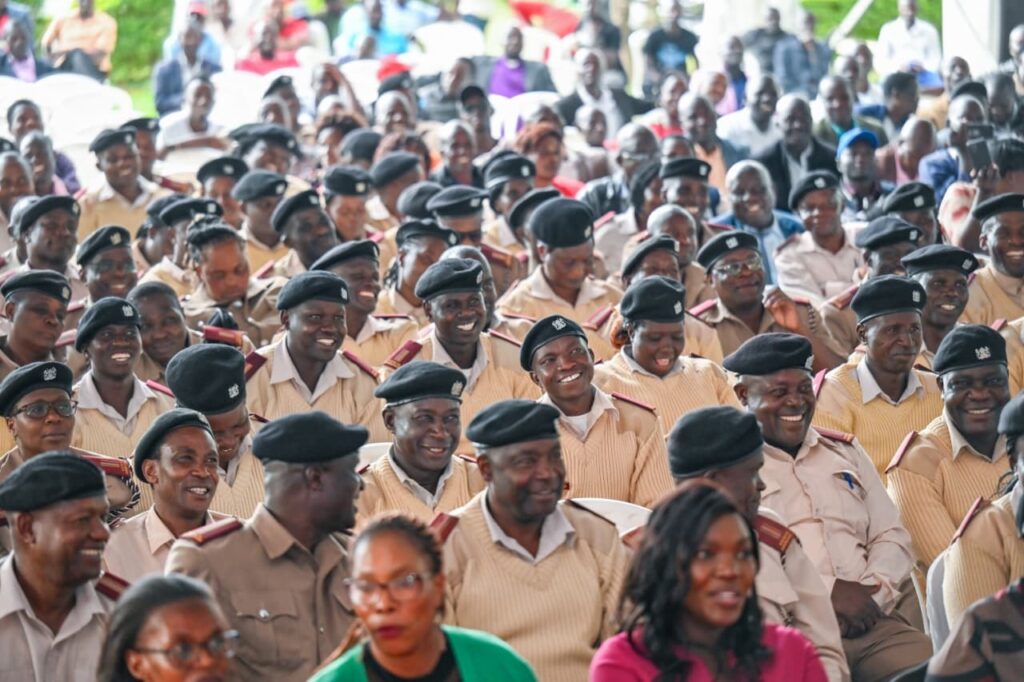
Resource-Driven Tensions in Pastoral and Semi-Arid Regions
Counties in pastoral belts presented some of the most structurally complex pressures due to the overlap of land, livestock, clan identity and mobility patterns.
- Local leaders explained how grazing routes, water points and livestock ownership disputes create sustained tension among communities living in close proximity. During drought cycles, competition becomes more intense because scarcity reconfigures traditional routes, forcing groups into unfamiliar or contested areas. Chiefs noted that these tensions often accumulate quietly for months before erupting into violent incidents. Officers emphasised the need for pre-emptive surveillance, structured mediation and long-term resource planning to stabilise these regions.
- Transboundary livestock movement adds a second layer of complexity. Counties bordering other jurisdictions described how livestock cross from one administrative area to another, prompting accusations of theft even when movements were unintentional. These dynamics require inter-county coordination to prevent misunderstandings that escalate into broader conflict.
Domestic, Social and Community-Level Tensions
Security concerns arising inside homes or within neighbourhoods formed a significant share of county submissions.
- Domestic violence, family disputes and mental health-related cases were consistently highlighted as incidents that place households under strain and often spill into the administrative or policing system. Officers pointed out that these incidents require specialised handling because enforcement alone cannot resolve underlying psychological, financial or relational pressures. Administrators noted that mediation mechanisms are unevenly used, leaving many families without structured avenues for de-escalation. These tensions create silent pressure on communities and contribute to rising caseloads.
- Neighbourhood disputes related to noise, property boundaries, rental disagreements, or informal business operations were also reported. Though minor in origin, these disputes accumulate into community friction when left unresolved. Chiefs and elders indicated that a portion of these disputes can be contained early with proper documentation and mediation support, reducing unnecessary police involvement.
Environmental, Climatic and Seasonal Pressures
Counties experiencing climatic variability reported security issues linked to environmental stress.
- Drought conditions in arid and semi-arid regions intensified competition for water and pasture, influencing the movement of livestock, people and armed groups. Administrators explained how environmental stress reshapes settlement patterns and reorders traditional relationships among communities. These changes have created new conflict hotspots that did not exist in previous years. The Ministry recognised the need for integrated planning that connects environmental realities with security deployment.
- Flood-prone counties pointed to infrastructure damage, displacement and economic disruption that create opportunities for criminal activity during moments of vulnerability. Officers emphasised that emergencies strain police and administrative capacity, diverting attention from other critical duties. This calls for stronger disaster-security coordination systems.
Operational Constraints Identified Across Counties
One of the strongest themes across the consultations was the operational pressure facing officers in diverse environments.
- Counties described limitations in patrol mobility, with some regions depending on a small fleet to cover expansive terrain. Officers explained how delays in response often arise from distance, poor road conditions or limited fuel allocation. These constraints extend the time between incident reporting and intervention, weakening community confidence and straining officer morale.
- Investigative teams highlighted heavy caseloads, limited forensic support and shortages in specialised personnel needed to address complex crimes such as cyber fraud, organised networks and cross-border activity. This affects the speed and depth of investigations, especially in high-population counties. The Ministry recognised the need to expand technical capacity.
- Communication gaps were reported in several rural counties where network coverage is weak, complicating coordination between officers, administrators and emergency services. These gaps slow escalation processes and create difficulty in synchronising joint operations. Strengthening communication infrastructure emerged as a priority.
Coordination Gaps Affecting Security Outcomes
Operational insights revealed areas where improved collaboration can significantly enhance security delivery.
- Counties identified the need for stronger integration between NGAO structures, National Police Service units and intelligence teams. Administrators noted instances where delays in information sharing slowed intervention during sensitive incidents. Strengthened protocols would streamline response and reduce the likelihood of misinterpretation at the community level.
- Cross-county coordination was another major concern. Regions that share grazing corridors, major highways, cross-border routes or criminal hotspots require shared operational plans. Officers explained that coordination is often reactive, yet patterns indicate movement across counties that demands proactive joint action.
- There were repeated calls for synchronised disaster and emergency response systems linking health, security, transport and administration. Counties experiencing floods, drought-related displacement or major accidents described the strain caused by fragmented responses. Integrated frameworks would stabilise communities during crisis moments.
PART 4: Institutional Implications of the Findings and Their Influence on National Security Planning
The insights gathered through the 47-county Jukwaa la Usalama consultations provided the Ministry of Interior with a clear understanding of the structural, operational and behavioural forces shaping Kenya’s security environment. These findings carry significant institutional implications. They inform the Ministry’s priorities, guide resource allocation and shape the frameworks through which security agencies coordinate and respond to emerging threats. This section examines how the Ministry interpreted the nationwide submissions and how those interpretations influence planning at the national level.
Shifts Required in Resource Allocation and Capability Deployment
The consultations revealed substantial variation in the types of pressures faced by counties. This diversity requires a targeted approach that aligns resources with specific regional needs rather than uniform distribution.
- Counties experiencing high mobility pressures, cross-border movements or expansive terrain require enhanced patrol capacity, strategic outposts and sustained surveillance support. The Ministry recognises that these counties need flexible deployment models that account for distance, population dispersion and the unpredictability of their threat environment. This has implications for fleet procurement, personnel placement and reinforcement of specialised units positioned near border and pastoral corridors.
- Urban counties require investment in investigative tools, cybercrime capability, intelligence fusion and community-level presence to address fast-evolving criminal techniques. The Ministry’s analysis shows that population density and commercial growth accelerate the complexity of crime, demanding officers with advanced skills and equipment. This drives the need for additional training, technological integration and partnership frameworks with local authorities to enhance situational awareness.
- Pastoral and semi-arid counties require multidisciplinary approaches that combine security, natural resource management and conflict-mediation frameworks. The Ministry recognises that security in these regions is closely linked to environmental conditions and community relations. This calls for a blend of policing, early warning systems, structured dialogue platforms and logistical capacity to reach remote areas quickly.
Strengthening of Multi-Agency Coordination Frameworks
The findings highlighted gaps in inter-agency coordination that affect the quality and timeliness of security interventions. The Ministry has identified several areas that require institutional recalibration.
- Several counties emphasised the need for faster integration between NGAO structures, police units and intelligence branches during high-pressure situations. The Ministry acknowledges that coordination challenges often arise from fragmented information flows or unclear escalation protocols. Strengthening these linkages will improve anticipation of incidents and ensure that responses align with the complexity of the threat.
- Counties facing cross-border activity or shared conflict zones require structured collaboration frameworks that allow seamless sharing of intelligence and operational plans. The Ministry recognises the need for regular joint briefings, shared patrol schedules and consolidated databases that track movement patterns across regions. This would reduce duplication of effort and create unified strategies against mobile criminal groups.
- Emergency and disaster-prone counties require harmonised response mechanisms that integrate police, health, transport and administrative teams. The Ministry understands that security often deteriorates during environmental or infrastructural emergencies, making unified command structures essential for stability.
Need for Institutional Modernisation and Equipment Renewal

The consultations demonstrated that equipment, mobility and technological gaps limit the ability of officers to respond effectively.
- Many counties reported insufficient vehicle availability, inadequate communication infrastructure and outdated equipment that reduce the speed and reach of security operations. The Ministry recognises that modernisation must be systematic, guided by operational urgency and regional vulnerability. This includes improving radio networks, expanding surveillance capabilities and replacing ageing fleets to meet current demands.
- Investigative capability requires particular attention. Counties highlighted the need for enhanced forensic tools, digital investigation capacity and specialised officers capable of addressing cyber-enabled crime, organised networks and technologically advanced criminal behaviour. The Ministry’s analysis shows that improved investigative strength contributes directly to deterrence and long-term stability.
- Technological integration across agencies emerged as a recurring priority. Counties described how lack of shared digital platforms hampers real-time coordination. The Ministry has identified opportunities for secure communication systems, unified reporting dashboards and analytical platforms that strengthen decision-making.
Institutionalising Preventive Approaches and Early Warning Mechanisms
The Ministry recognises that many conflicts identified during the consultations originated long before they reached the attention of police or administrators. This creates an opportunity to institutionalise preventive measures.
- Several counties described clear behavioural indicators that precede major incidents, such as unusual movement of livestock, shifts in youth group activity, quiet tension between clans or unexplained gatherings near commercial zones. These indicators underscore the need for structured early-warning mechanisms within communities. The Ministry is considering frameworks that strengthen community engagement, empower chiefs with monitoring tools and integrate local signals into intelligence assessment.
- Schools, markets, transport hubs and digital platforms emerged as early points of vulnerability. Teachers, traders and youth leaders explained how negative behaviour patterns develop gradually in these spaces. The Ministry recognises the need for preventive programs anchored in these environments, supported by coordinated action between schools, NGAO structures and police liaison units.
- Counties experiencing resource pressure noted that conflict escalation often occurs when no mediation structures exist to manage competing interests. The Ministry is exploring ways to strengthen community dialogue frameworks, land-administration processes and structured conflict-resolution channels that reduce reliance on enforcement alone.
Implications for Public Trust and Service Delivery
The consultations also demonstrated that community trust is shaped significantly by the visibility, accessibility and consistency of security services.
- Many counties reported confidence in officers when response was timely and communication was clear. However, delays caused by logistical constraints or unclear procedures created frustration in some regions. The Ministry acknowledges that predictable and responsive service delivery is central to building stronger relationships with communities. This requires alignment of deployment models with actual population needs and operational realities.
- Residents also indicated that regular engagement with local administrators increases transparency and reduces misinformation. The Ministry recognises that ongoing dialogue helps communities interpret security developments accurately and reduces tension during sensitive incidents. This calls for structured communication between NGAO teams and residents through forums, barazas, and targeted outreach initiatives.
Strategic Importance of Evidence-Based Planning
The Ministry’s assessment shows that Kenya’s security environment is shaped by multiple, interconnected factors. The Jukwaa la Usalama consultations provided a national dataset that moves beyond intuition or isolated incident reports.
- The Ministry now has access to a detailed map of risk profiles covering border activity, pastoral conflicts, urban criminal patterns, environmental pressures, youth vulnerabilities and operational limitations. This evidence base informs planning for recruitment, training, equipment allocation, budgeting and institutional reform. It also ensures that national decisions address conditions experienced on the ground rather than perceptions formed from distance.
- The findings provide a reference point for long-term strategies. Whether the focus is on intelligence modernisation, mobility enhancement, youth intervention, community policing or administrative capacity building, the Ministry has a grounded framework to guide investment and reform.
PART 5: Reform Priorities Shaping Kenya’s Evolving Security Architecture
The Jukwaa la Usalama findings provided a national map of security pressures that require structured and sustained reform. The Ministry of Interior and National Administration has used the insights to refine ongoing reforms and formulate new priorities that support stability across regions. This part outlines the key reform directions that the Ministry is strengthening to align Kenya’s security institutions with the realities observed during the 47-county exercise.
Modernisation of Security Tools, Infrastructure and Technology
The consultations highlighted the urgency of modern tools and infrastructure to match the scale and complexity of emerging threats.
- Officers in many counties described the operational strain caused by limited mobility, outdated communication systems and inadequate surveillance capacity. The Ministry has placed emphasis on modern fleet acquisition, enhanced radio communication infrastructure, secure digital networks and expanded surveillance tools to improve reach and response. This modernisation agenda is intended to strengthen both routine patrols and targeted intelligence-led operations.
- Urban and peri-urban areas require advanced technological support due to evolving crime techniques, including cyber-enabled fraud and coordinated criminal networks. The Ministry is prioritising investments in digital forensics, data analysis platforms, case management systems and tools that strengthen investigative accuracy. These capabilities are essential for dismantling organised networks and securing the digital space.
- Border regions and high-mobility corridors require upgraded detection systems, integrated communication channels and modern monitoring infrastructure. The Ministry recognises that technology is central to managing both legitimate movements and threats entering the country through porous routes.
Strengthening Police Training, Skills and Professional Development
The consultations revealed that the nature of insecurity demands specialised knowledge, behavioural understanding and continuous training for officers.
- Investigative officers require advanced skills in digital crime, financial crime, organised networks and cross-jurisdictional operations. The Ministry is aligning training programs to address these areas, ensuring that officers have the expertise needed to manage modern criminal behaviour. This shift reflects the country’s transition into a more complex security environment.
- Counties expressed the need for enhanced conflict management, negotiation and mediation skills for officers. Many disputes, especially those involving land, families, youth or pastoral resources, require officers who understand how to engage without escalating tension. The Ministry is incorporating modules that strengthen emotional intelligence, procedural fairness and community engagement into existing training programs.
- Specialised units handling border security, maritime operations or high-risk areas require continuous technical training. Their roles involve responding to threats that evolve quickly, necessitating frequent updates in tactics, intelligence interpretation, and operational readiness.
Reinforcement of NGAO Structures and Administrative Capacity
The consultations emphasised the critical role of administrative officers in early detection, community engagement and dispute management.
- Chiefs, assistant chiefs and village elders highlighted the challenges they face when handling disputes without adequate documentation systems, mediation tools or structured support. The Ministry is strengthening administrative frameworks that improve record keeping, timeliness of intervention, and linkages with the police. These enhancements are essential for preventing disputes from escalating into criminal incidents.
- NGAO structures are central to identifying early signals of instability, including unusual movement, brewing tensions, resource competition or rising youth friction. The Ministry is reorganising workflow systems to ensure that information from the grassroots reaches county and national teams more efficiently. This strengthens early warning capacity.
- Administrative officers require logistical support, mobility tools, communication systems and structured access to specialised units, especially in counties with large geographical areas. The Ministry is working to improve this connectivity to ensure seamless coordination across levels of governance.
Enhancement of Intelligence Integration and Information Flow
One of the strongest findings from the consultations was the need for faster, more integrated intelligence processes between agencies.
- Security officers highlighted delays caused by fragmented information systems and inconsistent reporting channels. The Ministry is advancing frameworks that standardise information flow from village elders to intelligence units and from county teams to national operations. This ensures that emerging patterns are captured early and acted upon swiftly.
- Counties experiencing mobile criminal activity, banditry, livestock theft networks, drug distribution chains and cross-border trafficking, require intelligence systems that track movement across regions. The Ministry is creating interoperable structures that link county intelligence teams and enhance their ability to identify movement trends.
- Urban areas require intelligence systems capable of tracking sophisticated criminal behaviour, including financial manipulation, fraud, extortion rings and cyber-enabled activity. The Ministry is enhancing analytical capacity to support investigations with timely intelligence products.
Institutionalisation of Community-Level Partnerships and Preventive Approaches
The findings confirmed that sustainable security requires preventive measures anchored in community structures.
- Schools, markets, estates and transport hubs emerged as early points of vulnerability. The Ministry is creating frameworks that allow chiefs, teachers, business leaders and local officers to coordinate interventions before incidents escalate. This approach strengthens cohesion and reduces repeat cases.
- Youth engagement emerged as a national priority. Counties described the role of youth in both vulnerability and resilience. The Ministry is supporting programs that create safe spaces for youth, strengthen mentorship networks and integrate young people into community safety initiatives. This is intended to shift youth involvement away from risky behaviour and into constructive participation.
- Community policing structures require renewed support, especially in urban estates and rural settlements experiencing rising fear or mistrust. The Ministry is refining these structures to improve attendance, reporting accuracy and integration with formal security teams.
Reorganisation of Inter-County and Cross-Border Coordination
The report underscored the need for counties sharing borders, grazing corridors or major transport routes to collaborate more closely.
- Counties in pastoral belts require shared strategies for livestock movement, resource access and conflict management. The Ministry is facilitating agreements that allow officers and administrators to coordinate before tensions accumulate. This reduces the likelihood of retaliatory incidents and promotes orderly resource use.
- Border counties require synchronised patrol schedules, shared intelligence briefs and joint operational planning with neighbouring jurisdictions. The Ministry is strengthening these frameworks to counter smuggling routes and external infiltration.
- Counties along major highways and economic corridors require integrated traffic security, rapid response and intelligence-sharing systems. This approach supports safe movement of goods and people while minimising vulnerability to crime.
Building Public Confidence Through Consistent Service Delivery
The Ministry recognises that reforms must translate into visible improvements in how security services reach communities.
- Residents repeatedly emphasised the importance of timely communication, clear procedures and reliable response. The Ministry is working to ensure that reforms in capability and coordination strengthen the citizen interface—where officers, administrators and community structures interact daily.
- Feedback mechanisms are also being refined. Several counties requested structured channels where communities can report concerns or offer information without fear of reprisal. The Ministry is developing approaches that balance confidentiality with operational responsiveness.
PART 6: Anticipated Impact of the Jukwaa la Usalama Reforms on Kenya’s Security Landscape
The reforms informed by the Jukwaa la Usalama consultations are designed to produce measurable improvements in the country’s stability. The Ministry of Interior and National Administration structured these interventions to influence daily safety, strengthen institutional capability and support long-term resilience across counties. The impact is expected to unfold at multiple levels: the household, the community, the administrative ecosystem and the national security architecture.
Strengthened Stability in Regions Experiencing Persistent Pressure
Counties reporting sustained tension, whether driven by resource competition, urban crime, or mobility challenges, stand to benefit from the Ministry’s targeted recalibration.
- Pastoral and semi-arid counties will experience more predictable stability due to increased patrol mobility, improved surveillance systems and structured dialogue mechanisms designed to address conflicts before they escalate. These interventions reduce the likelihood of retaliatory cycles by ensuring that disputes receive timely administrative attention supported by security oversight. Enhanced presence also reassures communities that their concerns are understood and acted upon at the national level.
- Urban counties will observe improved management of property crime, drug networks, cyber-enabled offences and youth-related incidents. The Ministry’s investment in investigative tools, digital forensics and advanced policing skills positions officers to dismantle networks more efficiently. Communities are likely to see reductions in repeat criminal activity once investigative capacity matches the sophistication of emerging threats.
- Border regions will benefit from increased coordination and modernised surveillance tools that strengthen monitoring of goods and people entering and moving across the country. This reduces vulnerability to infiltration, smuggling and illegal activity that undermine governance and public safety. Counties in these zones will gain from smoother interactions between border units, intelligence teams and county administrators.
Greater Predictability and Timeliness in Security Response
One of the strongest anticipated outcomes of the reforms is a more reliable and timely security response.
- With improved mobility assets, communication tools and operational coordination, officers will be positioned to reach incident locations faster and manage situations more effectively. This reduces escalation, improves public confidence and stabilises regions that previously experienced delays. Timely response also enables officers to preserve evidence, protect vulnerable groups and manage emergencies with greater precision.
- Integrated command and coordination frameworks will streamline operations during high-pressure events. Counties will see fewer delays in escalation decisions, fewer gaps in communication between agencies and more cohesion during joint deployments. This is particularly critical for rapidly evolving incidents where minutes determine whether situations stabilise or deteriorate.
Improved Conflict Management and Lower Escalation Across Communities
The consultations highlighted the importance of early, structured dispute resolution. Reforming administrative capacity and community-level frameworks will have visible impact in this area.
- Households and communities will experience more predictable mediation processes led by appropriately equipped Chiefs, Assistant Chiefs and elders. Strengthened administrative tools—better documentation, clearer procedures and direct access to security support—ensure that disputes receive timely attention. This lowers the likelihood of unresolved tensions building into violence or crime.
- Counties with historical conflict patterns will benefit from advanced early-warning mechanisms that integrate community observations, administrative monitoring and local intelligence. This provides decision-makers with indicators long before disputes reach critical levels. The approach supports peaceful coexistence and gives administrators a structured way to intervene early.

Reduction in Youth Vulnerabilities and Strengthened Social Cohesion
Youth issues emerged as a central theme across counties, and the Ministry’s reforms reflect this priority.
- Expanded youth engagement frameworks, ranging from mentorship structures to targeted outreach programs, will reduce susceptibility to criminal networks and harmful behaviour. When young people receive reliable support from communities, officers and educators, their resilience against manipulation increases significantly.
- Collaborative interventions involving schools, chiefs and community policing committees will create protective environments where early behavioural shifts are addressed constructively. This reduces the risk of incidents that begin within social spaces but later escalate into security concerns. Strengthened coordination between schools and security institutions also ensures that information moves through appropriate channels.
Strengthened Administrative Structures and Enhanced Public Trust
Public confidence grows when institutions provide consistent, transparent and effective service. The reforms emerging from the report reinforce these attributes.
- NGAO officers will operate with improved tools, guidance, and support systems, enabling them to handle disputes, gather early-warning signals and coordinate effectively with police units. This improves administrative visibility and gives communities a clearer sense of institutional presence.
- As response systems become more reliable, communities across the country are likely to exhibit increased cooperation with officers. Public willingness to share information, attend barazas, accept mediation, and participate in preventive campaigns strengthens the overall security environment. Trust becomes a stabilising force, reducing friction and promoting joint problem-solving.
Increased Strategic Readiness at the National Level
The Ministry’s reforms position Kenya to handle complex threats with greater foresight and precision.
- Improved intelligence integration ensures that trends identified at the village or county level feed directly into national situational awareness. This enhances the country’s ability to predict, prevent and manage threats before they spread. Modern analytical tools allow the Ministry to track movement patterns, identify organised networks and coordinate interventions across regions.
- Enhanced training and specialised capability development support long-term institutional resilience. Officers with advanced skills in digital investigation, financial crime, organised networks and conflict management strengthen national preparedness. The Ministry gains a workforce capable of adapting to evolving threats without excessive reliance on external support.
Long-Term Strengthening of Kenya’s Security Architecture
The cumulative effect of these reforms contributes to a more balanced, responsive and future-ready security architecture.
- Regions benefit from interventions tailored to their specific pressures. Institutions benefit from clear mandates, modern tools and improved coordination. Communities benefit from a safer, more stable environment. Together, these outcomes reinforce national cohesion and support Kenya’s broader development goals.
PART 7: Governance, Oversight and Accountability Mechanisms Supporting the Security Reform Agenda
The findings from the Jukwaa la Usalama consultations demonstrated the need for a stronger governance framework capable of sustaining reform, monitoring progress and ensuring accountability across all levels of the security system. The Ministry of Interior and National Administration is aligning oversight structures, decision-making channels and performance management instruments to match the evolving demands identified during the 47-county exercise. This section outlines the mechanisms designed to anchor the reforms within a stable and accountable institutional environment.
Reinforcing the Ministry’s Internal Oversight Structures
To maintain consistency and ensure reforms produce measurable outcomes, the Ministry is strengthening internal oversight processes that govern reporting, compliance and performance review.
- County Security and Intelligence Committees will operate with clearer reporting frameworks that require regular submission of security assessments, operational updates and progress reports tied to the reform agenda. These committees are positioned as the first level of oversight, ensuring that county-level implementation aligns with the Ministry’s strategic direction. Their reporting feeds into national dashboards that track trends and performance.
- Regional and national oversight units within the Ministry are enhancing their monitoring capacity to identify operational gaps, assess implementation challenges and intervene where necessary. These units provide supervisory visibility across counties experiencing complex pressures or requiring specialised support. Their role ensures that reform does not move unevenly across the country.
- Dedicated technical teams are being positioned to evaluate the effectiveness of modernisation programs, including fleet upgrades, communication systems, intelligence integration and training rollout. Their assessments guide the Ministry on resource deployment and highlight areas where additional investment or recalibration is needed.
Enhancing Accountability Within Security Agencies
The Jukwaa la Usalama findings underscored the importance of aligning performance expectations with the realities faced by officers. The Ministry is reinforcing accountability mechanisms that consider both operational constraints and the duty to provide effective service.
- Performance management frameworks are being strengthened to reflect regional priorities, workload variations and the complexity of each county’s risk profile. Commanders will assess officers on responsiveness, accuracy of reporting, engagement with administrative structures and adherence to standard operating procedures. This shift ensures that officers are evaluated on parameters that influence security outcomes directly.
- Clear feedback loops are being established between county officers, commanders and national teams to ensure that operational challenges are identified early and addressed transparently. This prevents frustration arising from unresolved bottlenecks and supports continuous improvement.
- Professional standards units will continue to monitor conduct, integrity and compliance with the law, ensuring that the reforms reinforce ethical service delivery. This supports public trust and strengthens the legitimacy of the Ministry’s broader reform efforts.
Strengthening Coordination Across Government Institutions
Effective security management requires synchronised action across multiple government agencies and administrative levels. The Ministry is formalising coordination frameworks that support unified operations.
- Joint operations frameworks between NGAO structures, the National Police Service, intelligence agencies, county governments and disaster-response units are being expanded to ensure cohesion during crises and routine operations. This creates seamless interoperability and eliminates gaps that weaken response.
- Inter-county coordination mechanisms are being formalised to support regions sharing grazing corridors, transport networks or criminal hotspots. Counties will operate using shared protocols, joint patrol schedules, and integrated intelligence briefings. This stabilises areas where security pressures cross administrative boundaries.
- National-level committees will continue providing strategic direction on high-risk regions, emerging threats and long-term planning. These committees ensure that local concerns escalate into national decision-making pipelines efficiently and accurately.
Embedding Community Accountability Structures
The consultations highlighted the importance of involving communities in maintaining security and supporting reforms. The Ministry is reinforcing the structures that create mutual responsibility between residents and security agencies.
- Community policing committees are being strengthened to support structured engagement between officers and residents. These committees provide channels for information sharing, incident reporting and collaborative problem-solving. Their role enhances accountability at the grassroots level and helps officers understand evolving behavioural patterns.
- Feedback and grievance-reporting systems are being refined to ensure that communities have a safe avenue to raise concerns without fear of retaliation. The Ministry understands that a functioning security system depends on accessible mechanisms that allow citizens to highlight issues affecting their safety.
- Public forums and scheduled administrative engagements will remain part of the Ministry’s accountability model. These forums give residents clarity on reforms, allow administrators to explain procedures and support transparency in decision-making.
Institutionalising Data-Driven Decision-Making
One of the lasting contributions of the Jukwaa la Usalama consultations is the dataset generated through nationwide engagement. The Ministry is institutionalising data-driven planning to guide future reforms.
- Counties will now be required to maintain structured security databases that capture incident patterns, community concerns, resource constraints and response performance. These databases will feed into national systems that allow trend analysis and hotspot identification.
- The Ministry is adopting analytical tools capable of processing large volumes of field data, enabling predictive modelling that supports early detection of potential instability. This modernised approach allows planners to allocate resources more effectively and design interventions grounded in observed behaviour.
- Data from frontline officers, administrators and community structures will inform training programs, investigative priorities and policy adjustments. This ensures that decision-making remains anchored in real-time insight rather than assumptions.
PART 8: Future Security Outlook and Emerging Risk Considerations
The Jukwaa la Usalama consultations enabled the Ministry of Interior and National Administration to assess Kenya’s current security environment while also identifying early indicators of future risks. The ministry used county submissions to develop a forward-looking perspective that informs strategic planning. This section outlines the emerging risks, structural shifts and future considerations that will shape Kenya’s security architecture in the years ahead.
Evolving Crime Techniques Driven by Technology and Urbanisation
Counties with rapidly expanding urban centres demonstrated clear signs of evolving criminal behaviour influenced by technology, demographic change and economic opportunity.
- Cyber-enabled crime is expected to increase as more Kenyans adopt digital financial services, online retail platforms and mobile-based transactions. Counties highlighted the growing presence of online fraud schemes, identity manipulation and digital extortion. The Ministry anticipates the need for stronger digital forensics, specialised investigative units and analytical tools that can track criminal activity across interconnected platforms.
- Commercial hubs will continue experiencing crime that adapts to urban density, ranging from organised property syndicates to intelligence-driven theft operations. The Ministry recognises that these groups operate using data, surveillance and coordinated planning. Future readiness will require structured intelligence fusion centres that integrate local observations with national investigative capacity.
- Social media will influence security patterns through the spread of misinformation, mobilisation of groups, and imitation behaviour among youth. The Ministry is preparing early-warning mechanisms that track digital signals linked to emerging tension or risky behaviour.
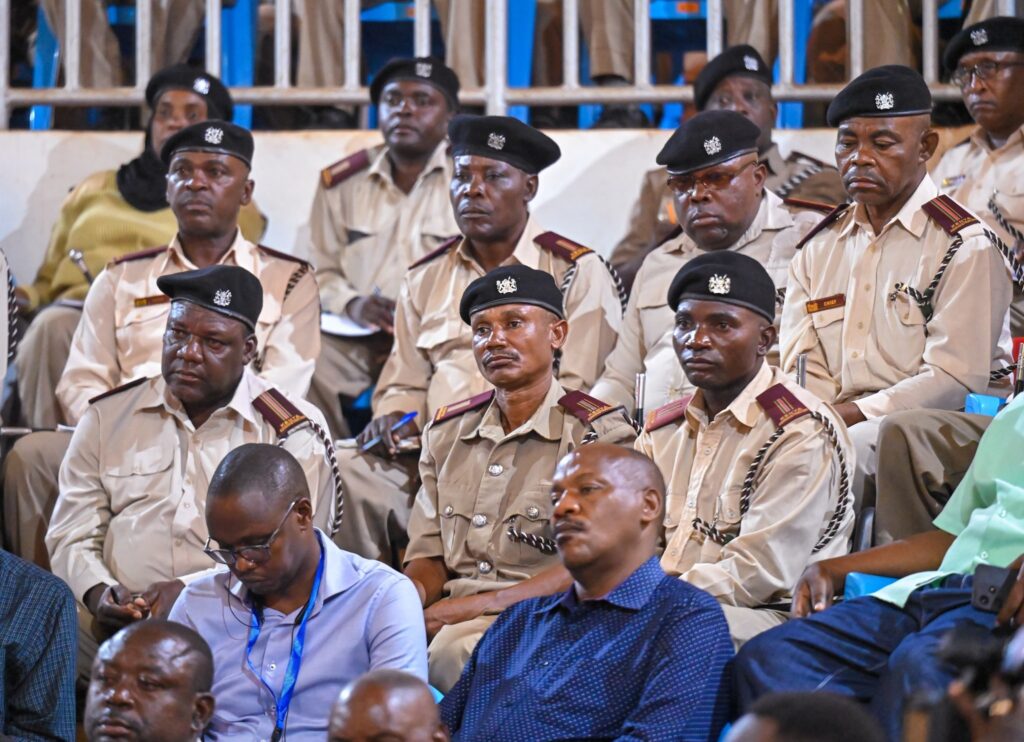
Shifting Patterns of Resource Stress in Pastoral and Agricultural Zones
Environmental change, population growth and competing livelihoods will continue to influence security in pastoral and agricultural regions.
- Counties in semi-arid belts anticipate intensified competition for pasture and water during prolonged dry spells. The Ministry is preparing for conflict risks that arise when herders move into contested or shared zones. Early-warning systems, mediated agreements and integrated resource planning will become central tools for maintaining stability.
- Agricultural counties experiencing land subdivision, commercial farming expansion and boundary fragmentation will require strengthened land-administration frameworks. Residents described rising disputes linked to inheritance, unplanned settlements and shifting economic incentives. The Ministry foresees the need for improved dispute-resolution capacity to prevent local disagreements from escalating into criminal cases.
- Climate variability will continue reshaping settlement patterns, forcing communities into new areas and altering historical relationships. These movements create new contact zones where tension can develop. The Ministry recognises that environmental factors will increasingly intersect with security planning.
Increasing Complexity of Cross-Border Movements and External Influence
Kenya’s position within the region places it at the intersection of multiple cross-border dynamics that carry security implications.
- Counties near international boundaries reported early signs of increased movement by individuals whose intentions are unclear. These patterns will require stronger identity verification systems, enhanced border surveillance and coordinated intelligence with neighbouring states. The Ministry anticipates more sophisticated smuggling networks that adapt to enforcement pressure, making regional cooperation essential.
- Transnational criminal networks operating across East and Central Africa may attempt to exploit weak points in border corridors. Counties highlighted interactions with groups engaged in trafficking, contraband movement and illicit trade. The Ministry is preparing for the possibility of more structured networks requiring joint operations, multi-country intelligence missions and advanced monitoring tools.
- Economic migration, driven by regional opportunities or displacement from conflict elsewhere, will continue to influence settlement patterns in border counties. These movements require both administrative and security readiness to manage integration while maintaining order.
Youth Demographics and the Implications for National Security
Kenya’s youthful population presents both opportunity and vulnerability. County engagements revealed patterns that require careful long-term planning.
- The youth bulge in urban centres will continue creating pressure points in neighbourhoods with limited economic opportunities. The Ministry recognises that areas with high youth concentration require reinforced policing models, preventive programs, mentorship structures and intelligence monitoring to manage behaviour shifts effectively.
- The digital exposure of young people introduces new pathways for influence—positive or harmful. Teachers and officers noted how online trends, extremist narratives, financial scams and misinformation shape decisions among adolescents. Future stability will depend on integrating digital literacy and protective interventions into broader security planning.
- Counties with high school dropout rates indicated increased vulnerability to recruitment by criminal groups. The Ministry anticipates the need for stronger partnerships with educational institutions, county governments, faith leaders and NGOs to stabilise this demographic.
Urban Expansion and the Creation of New Security Frontiers
The rapid growth of towns across Kenya is reshaping the security landscape.
- New settlements expand faster than administrative and policing capacity, creating areas where informal housing, unregulated business activity and insufficient infrastructure heighten vulnerability. The Ministry expects these zones to become future hotspots unless planning, policing and administrative structures evolve accordingly.
- Economic corridors under development, roads, industrial parks, logistics hubs—are creating fresh opportunities for crime targeting transport systems, construction sites and supply chains. Officers anticipate increased demand for specialised units that monitor economic infrastructure.
- The growth of satellite towns around major cities produces new patterns of commuter crime, transit-related offences and residential insecurity. The Ministry’s future planning incorporates models that integrate policing with transport security and county urban planning systems.
Shifts in Organised Criminal Behaviour
Organised crime is becoming more adaptive, moving across counties with ease and exploiting inconsistencies in enforcement.
- Counties described criminal groups that change methods quickly, move between urban and rural zones, and use technology to coordinate. The Ministry anticipates more sophisticated networks targeting high-value commodities, livestock, digital assets and commercial goods. This trend requires sustained intelligence, targeted disruption strategies and stronger investigative capacity.
- Some regions identified emerging alliances between local delinquents and external criminal actors. These alliances allow smaller groups to access weapons, funds or logistical support. The Ministry foresees the need for specialised inter-agency teams focusing on organised networks and their financing routes.
Increasing Importance of Intelligence-Led Security
As threats become more complex, the Ministry recognises that preventative intelligence will play a dominant role in future security delivery.
- The consultations demonstrated that communities routinely observe early signals—behaviour changes, unusual gatherings, rising tension, or movement of unfamiliar persons. Integrating these observations into formal intelligence channels will provide the Ministry with early situational awareness.
- Predictive analytics, digital intelligence and structured community inputs will become central tools for anticipating emerging threats. The Ministry plans to institutionalise processes that convert local insights into actionable intelligence.
- Threats related to cybercrime, financial manipulation and digital extortion require intelligence systems capable of tracking digital footprints and identifying behavioural patterns across platforms. Kenya’s future security resilience will depend on this adaptation.
Long-Term Institutional Transformation
The Ministry understands that future stability requires continuous adaptation, disciplined governance and sustained investment.
- The transition toward modern tools, integrated systems and professionally trained officers represents a long-term institutional shift rather than a short-term initiative. The Ministry expects that this transformation will require consistent funding, legislative support and inter-agency cooperation.
- Administrative structures, particularly NGAO, will continue to play a central role in early detection and community engagement. Future reforms will focus on improving their tools, connectivity and professional development.
- Security delivery will increasingly rely on collaboration across government, reflecting the interconnected nature of emerging threats. The Ministry is aligning national institutions to operate with shared purpose and unified strategy.
PART 9: A National Interpretation of Kenya’s Security Trajectory
The Ministry of Interior and National Administration, now has a consolidated understanding of Kenya’s security trajectory based on insights gathered from all 47 counties. The Jukwaa la Usalama consultations revealed pressures rooted in geography, demographics, economics, culture and climate, but they also demonstrated the resilience of communities, administrative structures and security agencies. This part synthesises the national interpretation derived from the entire exercise and outlines the direction that Kenya’s security architecture is moving toward.
A Security Environment Defined by Diversity of Risk
Kenya does not have a singular security challenge. The country’s stability is influenced by a layered interplay of factors that vary across regions:
- Urban counties face high-density crime patterns driven by commercial expansion, demographic growth, and the spread of digital platforms. These counties require sophisticated policing, advanced investigations and structured community engagement to manage shifting risks.
- Pastoral regions face resource-driven pressures that intensify during climatic stress. These areas require conflict-sensitive approaches that merge security intervention with dialogue, environmental planning and inter-county coordination.
- Border counties experience risks shaped by external influence, irregular movement and smuggling networks. These zones require specialised surveillance, cross-border intelligence and joint operations that account for transnational patterns.
- Agricultural and semi-urban counties face conflict linked to land boundaries, commercial disputes and settlement expansion. They require robust administrative systems, clear documentation processes and consistent mediation capacity.
This diversity affirms that Kenya’s security model must remain flexible, adaptive and region-specific.
The Rising Importance of Administrative Structures in National Security
One of the strongest national conclusions is the central role played by NGAO in stabilising communities and identifying early warning signals.
- Chiefs, assistant chiefs and village elders are positioned where tensions first appear—long before they manifest as crimes. They observe household disputes, land disagreements, environmental stress, migration trends and youth behaviour shifts.
- Strengthening administrative capacity enhances national visibility. When NGAO structures are well-equipped, properly trained and tightly integrated with police units, the Ministry receives early intelligence that shapes timely intervention.
- Administrative engagement reduces escalation. Many counties reported that disputes that reach the police could have been contained earlier if administrative support was stronger. This insight confirms the need for administrative reinforcement as part of the reform agenda.
The Country Is Entering a Phase Where Intelligence Integration Becomes the Foundation of Security Delivery
The Jukwaa findings made clear that future stability depends on how well intelligence informs operational decisions.
- Counties confirmed that communities routinely detect early signals of risk. These signals include unusual movement, brewing tension, escalating family disputes, rising youth friction, livestock anomalies and environmental stress indicators.
- When intelligence from communities, administrators and police units is integrated systematically, the Ministry can anticipate incidents rather than react to them. This shift from reaction to anticipation is a defining feature of modern security systems.
- Urban threats, cross-border activity and organised criminal behaviour require intelligence structures capable of processing large datasets and identifying patterns. The Ministry is aligning its systems with these requirements.
This marks a transition in Kenya’s security management—from institution-driven intervention to intelligence-led prevention.
Operational Capability Is Emerging as a Central Determinant of Stability
Across the 47 counties, the Ministry observed that response time, mobility capacity and equipment quality significantly influence public confidence and incident outcomes.
- Counties with adequate patrol capacity, functional communication systems and well-supported officers reported fewer escalations and more resolved disputes. Mobility and communication emerged as core anchors of security delivery.
- Officers require tools that match the complexity of modern crime, including digital forensics, surveillance capacity and reliable communication systems. Without these tools, even well-trained officers face limitations that diminish effectiveness.
- Operational readiness must match regional demands. Pastoral belts require long-range mobility, urban centres require investigative depth, and border counties require specialised surveillance tools.
This insight supports the Ministry’s focus on modernisation and coordinated capability-building.
Kenya’s Security Architecture Is Moving Toward Long-Term Institutional Strengthening
The Jukwaa la Usalama findings show that the country is transitioning into a phase where sustainable security requires:
- Continuous training and skills development, enabling officers to adapt to evolving threats.
- Technological integration, especially in intelligence gathering, communication systems and surveillance.
- Structured mediation and administrative support, reducing escalation of disputes.
- Enhanced multi-agency coordination, ensuring unified responses to complex incidents.
- Investment in community partnerships, which anchor local stability and improve trust in security institutions.
These pillars shape the Ministry’s path forward.
National Stability Will Depend on Balancing Prevention and Enforcement
The consultations confirmed that enforcement alone cannot address the full spectrum of Kenya’s security challenges.
- Prevention—anchored in intelligence, administration, community structures and youth engagement—must become a full pillar of the national security model. Counties demonstrated that early intervention reduces caseloads and improves cohesion.
- Enforcement remains essential for managing organised crime, cross-border threats and high-risk incidents. However, the Ministry recognises that strategic enforcement is most effective when grounded in clear intelligence and strong local support systems.
The national interpretation therefore points toward a blended model: prevention to stabilise communities and enforcement to neutralise threats.
A Security Trajectory Rooted in Realistic Assessment and Strategic Planning
The national interpretation emerging from the Jukwaa la Usalama exercise is grounded in realism.
- Kenya’s security challenges are complex but manageable when institutions, communities and administrative structures work cohesively.
- Investments in modern tools, intelligence systems and training place the country on a stronger long-term path.
- The Ministry’s reforms align with local realities rather than abstract assumptions.
This approach positions Kenya to strengthen its security architecture in a disciplined, structured and evidence-driven manner.
PART 10: Cross-Sector Implications for Governance, Development and Social Stability
The insights from the Jukwaa la Usalama consultations extend far beyond policing and enforcement. They provide a national picture of how security pressures intersect with economic activity, governance, social cohesion and long-term development. The Ministry of Interior and National Administration recognises that Kenya’s security posture influences numerous sectors that determine the country’s stability and growth trajectory. This part examines the wider implications of the findings and how they shape Kenya’s governance ecosystem.
Economic Implications: Stability as a Driver of Investment and Growth
Security conditions have a direct impact on Kenya’s economic performance. The consultations revealed how safety concerns influence business operations, investor confidence and the movement of goods.
- Counties experiencing improvements in stability are likely to attract more business activity due to predictable operating environments. Investors, traders and manufacturers often base decisions on the reliability of transportation corridors, market safety and the efficiency of local administrative support. Enhanced security increases commercial confidence and accelerates economic diversification.
- Regions affected by resource conflict or urban crime experience disruptions that reduce productivity and create uncertainty for business owners. Market closures, delayed transportation, theft-related losses and fear-based adjustments to business hours weaken economic resilience. The Ministry recognises that stabilising these areas will support county-level growth and national revenue performance.
- Major infrastructure investments, roads, industrial zones, energy installations and border facilities, require coordinated security planning to protect construction, equipment and logistical networks. The Ministry’s reforms create a framework that supports these national projects by reducing exposure to disruptions and deterring opportunistic criminal behaviour.
Implications for Governance and Administrative Effectiveness
The Jukwaa findings highlighted the foundational role of governance structures in shaping security outcomes. Administrative strength emerged as a critical determinant of local stability.
- Counties with effective administrative leadership, clear reporting lines and dependable mediation mechanisms reported fewer escalations. Governance structures act as the first layer of conflict management, absorbing tensions that might otherwise spill into policing systems. Strengthened administrative capability therefore enhances national security from the ground up.
- Accurate record-keeping, transparent decision-making and consistent communication between officers and communities improve public cooperation. The consultations revealed that communities respond positively when administrators demonstrate clarity, accessibility and fairness. The Ministry views these governance attributes as essential for long-term institutional credibility.
- The effectiveness of multi-agency collaboration depends on governance coordination frameworks. When ministries, county governments and agencies operate cohesively, security interventions are more efficient and less disruptive. The Jukwaa findings confirmed that governance alignment is central to preventing gaps in enforcement and administration.
Social Implications: Strengthening Cohesion and Reducing Vulnerability
Security pressures influence social relationships, community trust and collective resilience. The consultations revealed multiple social implications that shape Kenya’s long-term stability.
- Youth vulnerability has significant social impact across counties because it influences crime rates, community tension and family stability. Strengthening youth engagement, providing mentorship structures and integrating youth into community safety programs reduces the likelihood of behavioural drift into harmful activity. This stabilises households and reduces friction in neighbourhoods.
- Resource-pressured counties experience social fragmentation when disputes emerge over land, water or grazing routes. The Ministry recognises that these tensions can widen divisions between clans, families or neighbouring communities. Structured mediation and predictable dispute resolution reduce the long-term social cost of unresolved conflict.
- Domestic and family-level tensions revealed by the consultations demonstrate the need for community support systems. Mental health stress, financial strain and household disputes were frequently cited as triggers for wider instability. Addressing these pressures strengthens social cohesion and reduces burden on policing systems.
Implications for Emergency and Crisis Management
Emergencies, whether environmental, infrastructural or social, interact directly with security systems. The consultations provided clear evidence of how crisis conditions amplify security risk.
- Counties facing floods, drought or displacement require security systems that adapt quickly to humanitarian conditions. Officers often become first responders during emergencies, and their ability to coordinate with health and disaster agencies determines the stability of affected communities. The Ministry is prioritising integrated response frameworks that anticipate this interaction.
- Transport accidents, industrial incidents and large-scale fires create sudden security needs, including crowd control, evacuation, protection of property and safeguarding supply chains. The Ministry recognises that officers require specialised skills and equipment to manage these scenarios effectively.
- Environmental stressors, such as prolonged drought, reshape movement patterns and resource use, influencing the likelihood of conflict. Crisis planning must therefore incorporate environmental analysis to prevent secondary insecurity.
Implications for Regional Cooperation and Foreign Policy
Kenya’s regional security posture influences diplomatic and economic relationships. The findings from border counties shed light on cross-border realities that require structured engagement with neighbouring states.
- Cross-border criminal networks operating in goods, livestock and human movement require multi-state cooperation. The Ministry recognises that suppression of these networks demands intelligence exchange, synchronised patrol operations and diplomatic coordination with regional partners.
- Border infrastructure development, immigration management and customs operations must align with security priorities. Counties identified areas where improved collaboration enhances both national safety and economic efficiency.
- Regional instability can spill over into border counties through displacement or armed movement. The Ministry’s future planning integrates geopolitical awareness and preparedness to safeguard affected populations.
Implications for National Development Policy
The Jukwaa la Usalama findings emphasise that long-term development success relies on a secure environment.
- Agricultural transformation, industrialisation, digital economy growth, tourism expansion and infrastructure development all depend on predictable security. The Ministry’s reforms therefore support broader national priorities beyond policing.
- Counties experiencing high population growth and rapid settlement require integrated planning frameworks linking security, housing, land-use regulation and infrastructure. These linkages ensure that development does not produce new vulnerabilities.
- National goals related to job creation, empowerment and social protection benefit directly from stable communities where economic potential can flourish. Security becomes an enabler of development rather than an isolated function.
National Synthesis: Security as a Cross-Cutting Determinant of Kenya’s Future
The cross-sector implications of the Jukwaa la Usalama findings reveal that:
- Security enables economic progress.
- Governance quality influences stability.
- Social cohesion reduces vulnerability.
- Infrastructure development requires security integration.
- Regional cooperation strengthens national resilience.
The Ministry views security as an interconnected ecosystem. Its effectiveness depends on coordination between communities, institutions and multiple layers of government.
PART 11: Strategic Direction for Kenya’s Security Architecture
The Jukwaa la Usalama consultations provided the Ministry of Interior and National Administration with a detailed account of Kenya’s evolving security pressures, which it has translated these insights into a clear strategic orientation for the country’s security architecture. This direction reflects Kenya’s demographic realities, technological advancements, community expectations, operational demands and regional context. It represents a disciplined shift toward a security system built on anticipation, coordination, capability and structured engagement.
A Security Model Anchored in Anticipation, Not Reaction
One of the most significant strategic shifts emerging from the consultations is the emphasis on preventive and intelligence-led approaches.
- The Ministry recognises that early detection will increasingly determine the success of security interventions. County submissions demonstrated that communities and administrators often observe early warning indicators long before an incident escalates. The strategic direction therefore prioritises systems that capture these signals and translate them into actionable intelligence.
- Intelligence integration across agencies is now a foundational pillar of planning. The Ministry is positioning intelligence mechanisms to draw from community-level observations, administrative reporting, police operations, digital analysis and regional data. This ensures nationwide coherence and early visibility of emerging threats.
- Predictive analysis and digital monitoring will guide deployment decisions. With threats becoming more sophisticated, the Ministry’s direction is shifting toward analytical tools that reveal movement patterns, criminal networks and environmental triggers with greater accuracy.
This approach moves Kenya toward a proactive security framework aligned with modern governance standards.
A Region-Specific Approach to Security Delivery
The consultations reaffirmed that security challenges vary by region. The Ministry’s strategic direction emphasises differentiated interventions that reflect county realities.
- Urban centres require specialised policing models that combine advanced investigation, community engagement and rapid mobility. This includes digital forensics, surveillance tools, and officers trained to manage crimes associated with dense populations and expanding commercial activity.
- Pastoral counties require hybrid strategies that merge security operations with conflict-management frameworks, resource planning and structured mediation. This approach supports predictable grazing patterns, reduces outbreak of retaliatory incidents and ensures continuous visibility of movement trends.
- Border counties need strengthened surveillance, coordinated intelligence and joint operational planning with neighbouring jurisdictions. The Ministry’s strategy includes investment in monitoring technology, border-post capability and multi-country cooperation.
- Agricultural counties require administrative reinforcement to manage land disputes, inheritance-related conflicts and settlement transitions. Strengthening administrative structures reduces the burden on policing and enhances early conflict containment.
This region-specific strategy ensures resources and interventions match actual pressures rather than uniform assumptions.
A Stronger Integration of Administration and Policing
The Ministry’s direction places administrative structures and policing units on a unified operational pathway.
- NGAO structures form the foundation of early detection, community engagement and local dispute management. The strategic direction reinforces these structures with better tools, enhanced training and stronger links to police units.
- Police units operate effectively when supported by accurate administrative intelligence. The Ministry is institutionalising information-sharing pathways that ensure local signals reach operational teams in real time.
- Decision-making at the county level will increasingly rely on integrated briefings between administrators, police commanders and intelligence officers. This creates a coherent view of the security environment and reduces fragmented or inconsistent intervention.
This integration strengthens both community trust and operational efficiency.
Investment in Professionalisation and Continuous Skills Development
The Ministry’s strategic direction emphasises professional standards that reflect Kenya’s current and future risk environment.
- Officers require advanced skills that match modern threats, including digital investigation, financial inquiry, surveillance interpretation and structured mediation. The Ministry is recalibrating training institutions to deliver specialised and continuous learning modules.
- Leadership development is central to improving decision-making under pressure. County commanders, administrative leaders and unit heads will undergo targeted leadership programs that enhance judgement, coordination and crisis management capacity.
- Professional conduct remains a cornerstone of the security system. The Ministry continues to reinforce ethical standards, discipline mechanisms and accountability models that ensure officers uphold the public trust.
This direction builds a security workforce capable of meeting Kenya’s evolving needs.
A Security Architecture Supported by Modern Technology
Technology emerged as a fundamental requirement during the consultations, shaping the Ministry’s strategic priorities.
- Modern communication systems will anchor a more cohesive national operation. The Ministry’s strategy prioritises secure channels that link village-level reporting with county and national headquarters.
- Digital surveillance and monitoring tools will enhance visibility in high-risk zones, including urban centres, border corridors and transport networks. These tools support faster response and accurate intelligence.
- Data-driven decision-making becomes central to planning, allowing the Ministry to allocate resources based on verified patterns rather than estimates. This transforms Kenya’s security architecture into a system that responds to evidence and trend analysis.
Technology is therefore positioned as an essential enabler of Kenya’s next-generation security model.
Building Safety Through Community Partnership
Communities remain indispensable actors in Kenya’s future security direction.
- The Ministry’s strategy strengthens community policing, feedback channels and structured engagement forums that ensure residents and officers work collaboratively. Community insights provide early warning, guide deployment and support investigations.
- Youth-focused engagement becomes a stabilising instrument in counties where demographic pressure is linked to vulnerability. The Ministry plans to deepen collaboration with schools, religious institutions, youth groups and mentors.
- Public communication frameworks will help residents understand procedures, reforms and expectations. Clear communication reduces tension, discourages misinformation and reinforces trust.
This direction ensures community structures remain partners in maintaining order.
A Coherent National Security Posture Aligned With Regional Realities
Kenya’s security strategy must reflect its position within a dynamic regional environment.
- The Ministry’s direction includes enhanced collaboration with neighbouring states, especially in intelligence sharing and border security management. This reduces the influence of cross-border criminal networks.
- Kenya’s regional commitments, economic, diplomatic and security-related, inform the country’s readiness posture. The Ministry’s strategy anchors local planning within a broader geopolitical context.
- Inter-county cooperation strengthens internal cohesion and prepares the country for threats that cross administrative boundaries. National stability emerges from coordinated effort rather than isolated responses.
This creates a unified national posture capable of adapting to both internal and regional shifts.
CONCLUSION
The Jukwaa la Usalama Report presented on 2nd December 2025 offers the clearest recent examination of Kenya’s security environment through a structured blend of community insight, administrative intelligence and operational assessment. The Ministry of Interior used this nationwide exercise to map pressures affecting households, transport systems, economic hubs, pastoral corridors, border regions and emerging urban spaces. The findings reflect a security landscape shaped by changing demographics, technological evolution, environmental shifts and the realities of modern crime.
The consultations reaffirmed the critical role of Kenya’s administrative and security institutions, particularly the synergy between NGAO structures, police units and intelligence teams. They also highlighted the importance of equipping officers with modern tools, strengthening mediation capacity, enhancing surveillance capability and supporting structured coordination across agencies. These reforms serve as the backbone of a security architecture that is increasingly intelligence-led, preventive in orientation and aligned with region-specific needs.
Kenya’s stability depends on a deliberate and evidence-driven approach. The insights gathered across all 47 counties position the Ministry to anticipate threats, respond with greater precision and strengthen the country’s long-term resilience. They also reinforce the central role of communities, whose observations remain essential for early detection and cohesion. The reforms being implemented, spanning modernisation, training, coordination and administrative strengthening, signal a decisive shift toward a more predictable, capable and future-ready security system.
The Jukwaa la Usalama Report therefore serves both as a diagnostic and a blueprint. It captures the realities that shape daily life across the country while charting a strategic path for Kenya’s evolving security architecture. With sustained implementation, disciplined oversight and coordinated national effort, the insights generated through this process provide a foundation for a safer, more stable and more resilient nation.


