
The Ministry of Energy has implemented a comprehensive sector transformation agenda grounded in measurable delivery, institutional strengthening, and infrastructure expansion that directly supports Kenya’s economic and social development priorities. The progress recorded across electricity access, system reliability, and financial performance of key sector institutions reflects a coordinated approach that aligns policy direction with execution capacity. Energy has been positioned as a strategic enabler of productivity, influencing household welfare, enterprise growth, and industrial output across the country.
This transformation is evident in the increasing integration of households into the formal energy system, the stabilization of critical supply chains, and the strengthening of sector institutions that anchor electricity generation and distribution. The Ministry’s execution framework has emphasized scalability, operational discipline, and long term sustainability, ensuring that current achievements provide a foundation for continued expansion and resilience within the energy ecosystem.
National Electricity Access and Household Transformation
The expansion of electricity access to over 10.2 million households, achieving national coverage exceeding 75 percent, reflects a deliberate and sustained investment in inclusive infrastructure development that integrates both urban and rural populations into the formal energy economy. This level of access represents a structural shift in the distribution of energy services, ensuring that a significant proportion of Kenyan households can now utilize electricity as a reliable input for daily life and economic activity.
At the household level, electrification has introduced a new standard of living defined by improved efficiency, safety, and opportunity. Lighting has extended productive hours, enabling families to engage in income generating activities beyond daylight while providing students with an environment that supports sustained learning. The availability of electricity has also enhanced safety within communities through improved visibility, reducing vulnerability during night hours.
Electrification has further enabled the growth of small scale enterprises within residential and local trading environments. Businesses that depend on electricity, including welding operations, refrigeration services, and digital service provision, are now operating with increased efficiency and reliability. These enterprises contribute to household income, create employment opportunities, and strengthen local economic systems that support broader national growth.
- The connection of over 10.2 million households has been achieved through a coordinated expansion of grid infrastructure, including transmission linkages, transformer installations, and distribution networks that extend electricity access into previously underserved areas, demonstrating the sector’s capacity to deliver complex infrastructure at scale.
- National electricity access exceeding 75 percent reflects a significant level of inclusion within the energy system, enabling households across diverse regions to participate in economic activities that require reliable power, thereby strengthening overall economic productivity.
Accelerated Connectivity and Expansion of the National Grid
The addition of more than 1.1 million households to the national grid over a three year period represents a high intensity implementation phase characterized by focused resource allocation, streamlined execution processes, and targeted interventions designed to close access gaps across the country. This level of expansion reflects a system that is capable of sustaining large scale infrastructure delivery while maintaining operational efficiency.
Each new connection represents a transition into a more productive economic environment where households are able to utilize electricity for both domestic and commercial purposes. Access to energy supports the adoption of technologies that enhance productivity, including refrigeration, digital communication tools, and small scale processing equipment. These capabilities contribute to income diversification and strengthen household resilience.
The expansion of connectivity has also contributed to increased demand within the energy sector, reinforcing revenue generation and supporting the financial sustainability of sector institutions. As more households integrate into the grid, consumption patterns evolve, creating a stable demand base that underpins continued investment and system expansion.
- The connection of over 1.1 million households within three years reflects the effectiveness of last mile connectivity programs that prioritize underserved regions, ensuring that infrastructure investment delivers equitable outcomes across the country while accelerating progress toward universal access.
Financial Recovery and Institutional Stability of Kenya Power
The transition of Kenya Power from a loss position of KES 4.4 billion to profitability exceeding KES 35 billion represents a significant institutional recovery that has strengthened the operational and financial foundation of the electricity distribution system. This transformation reflects improvements in governance, enhanced efficiency in revenue collection, and the implementation of measures aimed at reducing technical and commercial losses.
The financial stabilization of the utility has enabled sustained investment in network maintenance and expansion, ensuring that infrastructure remains reliable and capable of supporting growing demand. Improved cash flow has strengthened the utility’s ability to meet its obligations within the energy value chain, including timely payments to generation companies and suppliers, thereby enhancing overall sector stability.
A financially strong utility contributes to investor confidence by demonstrating operational discipline and sustainability within the energy sector. This confidence supports increased participation by private sector actors and development partners, creating opportunities for further investment in generation, transmission, and distribution infrastructure.
- Profitability exceeding KES 35 billion reflects a combination of improved operational controls, strengthened billing systems, and enhanced revenue collection mechanisms that have collectively restored the financial health of the utility and positioned it for sustained performance.
Fuel Supply Stability and Economic Continuity
The establishment of a stable fuel supply environment has reinforced the operational continuity of Kenya’s economy by ensuring that transport systems, supply chains, and production activities function without disruption. Reliable availability of fuel supports the movement of goods and people, which is essential for maintaining economic activity across sectors.
This stability has contributed to predictability in pricing for essential goods and services, particularly in sectors that rely heavily on transport and logistics. Households benefit from reduced volatility in the cost of living, while businesses are able to plan operations with greater certainty, supporting efficiency and growth.
The stabilization of fuel supply reflects improvements in supply chain coordination, supported by infrastructure upgrades and effective regulatory oversight. The system is now better equipped to manage fluctuations in demand and maintain consistent distribution across regions, ensuring that fuel remains accessible and reliable.
- Stable fuel supply supports uninterrupted operations within transport, logistics, and production sectors, ensuring that economic activity remains consistent while reducing the risk of disruptions that can affect both businesses and households.
Electricity Consumption Growth and Economic Activity
The recording of electricity sales exceeding 32,000 gigawatt hours over a three year period reflects sustained growth in energy demand driven by increased connectivity, expansion of industrial activity, and broader utilization of electricity across households and businesses. This level of consumption provides a clear indication of an economy that is actively leveraging energy as a key input for productivity.
Industrial operations have expanded with improved reliability in power supply, enabling manufacturers to maintain consistent production schedules and protect employment within the sector. Small and medium enterprises are also contributing to increased demand, reflecting the growth of business activities that depend on electricity for value addition and service delivery.
Household consumption patterns have evolved as access to electricity enables the use of a wider range of appliances and digital technologies. This shift reflects improved living standards and deeper integration into modern economic systems. The energy sector, through its ability to meet rising demand, continues to support national productivity and economic expansion.
- Electricity sales exceeding 32,000 gigawatt hours over three years demonstrate sustained demand growth supported by increased access, industrial expansion, and broader utilization of energy across the economy, reinforcing the sector’s role as a driver of economic activity.
Grid Strengthening, Clean Energy Expansion, and Industrial Enablement
The second phase of Kenya’s energy sector delivery reflects a deliberate shift toward system depth, industrial enablement, and long horizon energy security planning. The Ministry has advanced investments that strengthen the backbone of the power system, expand clean energy capacity, and position the country within regional and global energy markets. These interventions are structured to support sustained economic growth, enhance resilience within the energy ecosystem, and create a platform for future demand.
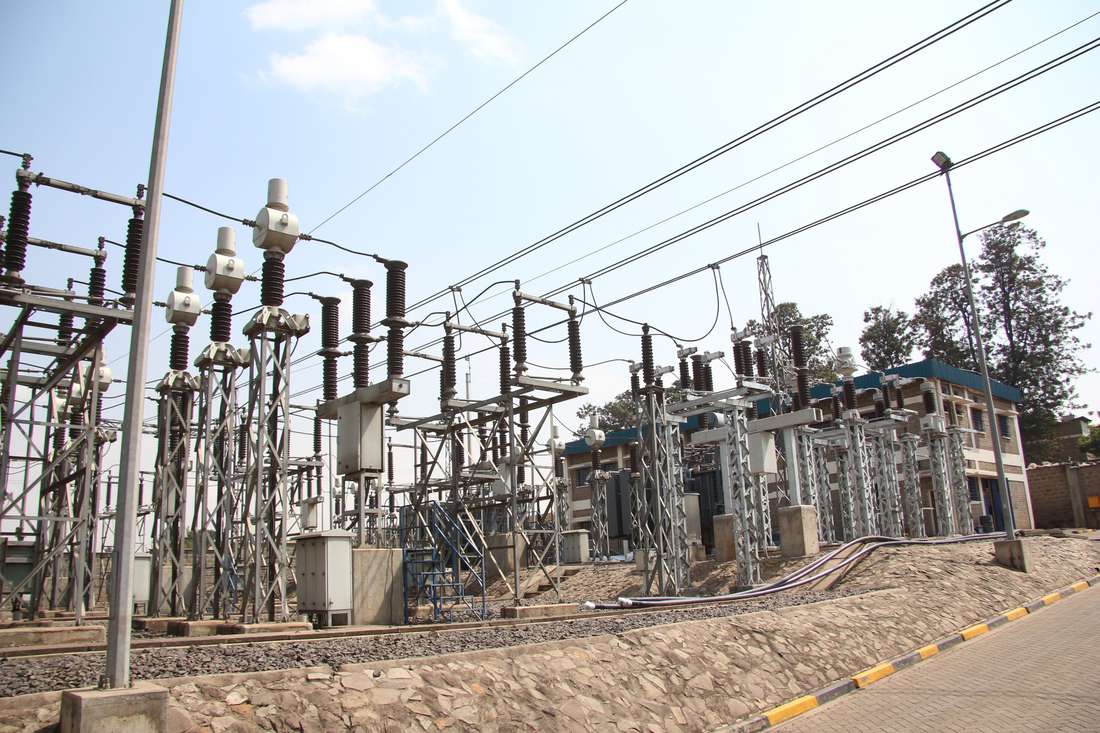
Energy infrastructure is now functioning as a strategic economic asset. Transmission systems are extending reach across regions, substations are stabilizing supply at the distribution level, and generation capacity is being diversified to support reliability and sustainability. The cumulative effect is a power system that is increasingly stable, efficient, and capable of supporting industrial scale activity.
Geothermal Development and Clean Baseload Capacity
The expansion of geothermal energy has established a reliable foundation for Kenya’s electricity generation, providing continuous baseload power that supports both domestic consumption and industrial operations. This resource has been developed with a clear focus on long term sustainability, cost stability, and energy security.
Geothermal energy provides a stable supply that is not subject to seasonal variation, ensuring that electricity generation remains consistent throughout the year. This reliability supports grid stability and enables the system to meet demand without disruption. The development of geothermal capacity has also reduced exposure to imported fuel markets, strengthening national energy independence and insulating the economy from external price fluctuations.
The concentration of geothermal resources in areas such as Olkaria, Menengai, and Baringo has created regional economic nodes where energy production is integrated with local development. These projects support employment, infrastructure expansion, and community services, ensuring that the benefits of energy investment extend beyond power generation.
- Geothermal energy has been developed into a core component of the national generation mix, providing stable baseload power that supports system reliability and reduces dependence on intermittent or fuel based sources of electricity.
- Investments in geothermal fields have expanded generation capacity while creating employment opportunities for engineers, technicians, and local communities, contributing to skills development and regional economic growth.
Transmission Expansion and Grid Reliability Enhancement
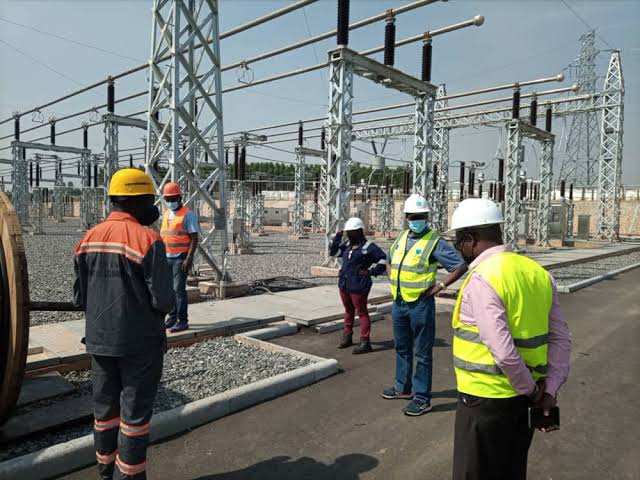
The development of over 770 kilometers of transmission lines has significantly strengthened the capacity and resilience of Kenya’s national grid, enabling efficient movement of electricity from generation sites to consumption centers across the country. Transmission infrastructure forms the backbone of the energy system, ensuring that power is delivered reliably and efficiently.
Expanded transmission capacity has improved voltage stability and reduced system losses, enhancing the quality of electricity supplied to households and businesses. These improvements protect electrical equipment, reduce operational disruptions, and support consistent service delivery across regions.
The extension of transmission networks has also enabled the integration of new generation capacity into the grid, ensuring that electricity produced from renewable sources can be effectively distributed. This capability supports diversification of the energy mix and strengthens overall system resilience.
- The completion of over 770 kilometers of transmission lines has enhanced grid connectivity across regions, enabling efficient distribution of electricity and supporting balanced load management within the system.
- Improved transmission infrastructure has reduced technical losses and enhanced voltage stability, protecting appliances and industrial equipment while supporting reliable power supply for all categories of consumers.
Regional Power Interconnection and Energy Trade Positioning
Kenya’s strategic investments in cross border interconnections are strengthening its role within the regional energy landscape, enabling participation in electricity trade and enhancing overall energy security. These interconnections provide a mechanism for balancing supply and demand across countries, ensuring optimal utilization of available generation capacity.
Regional integration supports economic cooperation and strengthens infrastructure linkages that facilitate trade. The ability to import electricity during periods of high demand and export surplus power when available enhances system flexibility and resilience.
Participation in regional energy markets positions Kenya as a central player within East Africa’s power ecosystem, creating opportunities for investment and collaboration. This positioning supports long term planning and reinforces the country’s role as a regional energy hub.
- Cross border power connections enable Kenya to engage in electricity trade within the region, supporting energy security and optimizing utilization of generation resources across interconnected systems.
- Regional integration strengthens economic and diplomatic relationships, creating a platform for collaborative infrastructure development and shared energy initiatives that benefit participating countries.
Strengthening of Generation Capacity and Institutional Performance
The performance of Kenya’s generation institutions continues to reinforce the stability and capacity of the energy sector. Strong operational management and strategic investment in renewable energy have supported consistent growth in generation output and financial performance.
KenGen has recorded annual profits exceeding KES 10.5 billion, reflecting efficient utilization of generation assets and effective cost management. This performance contributes to national revenue while supporting reinvestment in additional capacity that meets growing demand.
The strength of generation institutions ensures that electricity supply remains reliable and capable of supporting expanding consumption across households, businesses, and industries. It also enhances the overall resilience of the energy system by providing a stable foundation for growth.
- Strong financial performance within generation companies supports continued investment in new capacity, ensuring that the country is well positioned to meet increasing demand for electricity across sectors.
- Efficient management of generation assets enhances reliability of supply, reducing the risk of outages and ensuring consistent delivery of power to consumers.
Industrial Growth Enabled by Reliable Energy Supply
The availability of reliable and accessible energy has created a conducive environment for industrial expansion, enabling manufacturing, processing, and value addition activities to operate with increased efficiency. Energy infrastructure is a critical determinant of industrial competitiveness, and improvements within the sector have strengthened Kenya’s position as an investment destination.
Industries require consistent power supply to maintain production schedules, protect equipment, and ensure quality output. The stabilization of electricity supply has reduced operational disruptions, enabling businesses to scale operations and improve productivity.
Energy availability has also supported the growth of industrial parks and special economic zones, where reliable power is essential for attracting both local and international investors. These developments contribute to job creation, economic diversification, and increased export potential.
- Reliable electricity supply supports manufacturing operations by reducing downtime, protecting jobs, and enabling consistent production that meets market demand.
- Energy infrastructure has enhanced the attractiveness of industrial parks and economic zones, supporting investment inflows and strengthening the country’s industrial base.
Employment Creation and Skills Development Through Energy Investments
Energy sector investments are generating employment opportunities across multiple levels, contributing to workforce development and income generation. Large scale projects require skilled professionals, including engineers, technicians, and project managers, while also creating opportunities for local contractors and suppliers.
The impact of employment extends beyond direct jobs, with indirect opportunities created through supply chains and supporting industries. Energy projects stimulate economic activity within local communities, contributing to broader regional development.
In areas such as Olkaria, green energy projects are expected to generate approximately 3,000 direct jobs and 10,000 indirect jobs. These figures reflect the scale of economic activity associated with energy infrastructure development.
- Employment generated through energy projects supports household income stability and contributes to economic growth within local communities where infrastructure development is taking place.
- Skills development initiatives associated with energy projects equip workers with expertise in renewable energy technologies, preparing the workforce for future industry demands.
Forward Looking Energy Investments and System Readiness
The Ministry has advanced a forward looking agenda that positions Kenya within emerging energy sectors, including electric mobility, green industrial production, and advanced generation technologies. These initiatives are designed to ensure that the country remains competitive within a rapidly evolving global energy landscape.
Electric mobility is gaining traction, supported by policy frameworks and tariff structures that encourage adoption. Increased consumption under electric vehicle tariffs reflects growing uptake of clean transport solutions, which contribute to reduced emissions and long term cost efficiency.
Planning for a nuclear power plant represents a strategic investment in future energy security, providing a pathway for large scale and reliable electricity generation that can support industrial growth over the long term. These initiatives reflect a commitment to building a resilient and future ready energy system.
- Electric mobility initiatives are expanding, with increased electricity consumption indicating growing adoption of electric transport solutions that support sustainability and reduce reliance on fossil fuels.
- Strategic planning for nuclear energy reflects long term preparedness, ensuring that the country can meet future demand for reliable and large scale power generation.
Community Transformation, Energy Inclusion, and Long Term Sector Sustainability
The Ministry of Energy has advanced a phase of sector delivery that anchors energy access within everyday life, ensuring that infrastructure investment translates into tangible improvements in livelihoods, service delivery, and economic participation. The focus has shifted toward deepening inclusion, strengthening affordability, and expanding access pathways for communities that require tailored energy solutions. This approach reflects a system that is responsive to both national priorities and local realities.
Energy is now embedded within the daily functioning of households, enterprises, and public services. Its value is demonstrated through its impact on productivity, health outcomes, education, and environmental sustainability. The sector continues to evolve with a clear emphasis on ensuring that no community remains excluded from the benefits of reliable and modern energy.
Rural Economic Activation Through Electrification
The extension of electricity into rural areas has unlocked economic activity by enabling productive use of energy within communities that previously operated under significant limitations. Electrification has created an environment where small enterprises can emerge, scale, and sustain operations with improved efficiency.
Local economies are experiencing renewed activity as electricity supports value addition, service delivery, and income diversification. Households are transitioning from subsistence driven activities into more structured economic participation, supported by reliable power.
- Electrification has enabled the establishment of enterprises such as welding workshops, grain milling operations, refrigeration services, and retail outlets, creating localized economic ecosystems that generate employment and increase household income.
- Access to electricity has strengthened agro processing activities by enabling farmers to preserve, process, and package produce, reducing post harvest losses and increasing market value.
Reliability of Power Supply and Business Continuity
The improvement in electricity reliability has strengthened the operating environment for businesses across sectors, ensuring that enterprises are able to maintain consistent output and service delivery. Stable power supply supports productivity and reduces the risk of operational disruptions.
Businesses that depend on electricity are now able to plan operations with greater certainty, protecting equipment, maintaining production schedules, and sustaining employment. Reliability within the energy system contributes directly to economic stability and growth.
- Consistent power supply supports manufacturing and service sectors by reducing downtime, enabling businesses to meet demand and maintain customer confidence.
- Improved voltage stability protects appliances and industrial machinery from damage, reducing maintenance costs and enhancing efficiency for both households and enterprises.
Strengthening of Distribution Networks and Substation Infrastructure
The expansion of substations and distribution systems has enhanced the quality and stability of electricity supply at the point of consumption. These investments ensure that electricity is delivered efficiently, with appropriate voltage levels that support safe and reliable use.
Distribution infrastructure plays a critical role in extending access within communities while maintaining system performance. The strengthening of this layer of the energy system ensures that both new and existing consumers receive consistent service.
- Substation expansion has improved voltage regulation, ensuring that electricity supply remains stable and suitable for domestic and industrial use.
- Strengthened distribution networks have extended reach within communities, enabling additional connections while improving service reliability for existing users.
Off Grid Solutions and Last Mile Inclusion
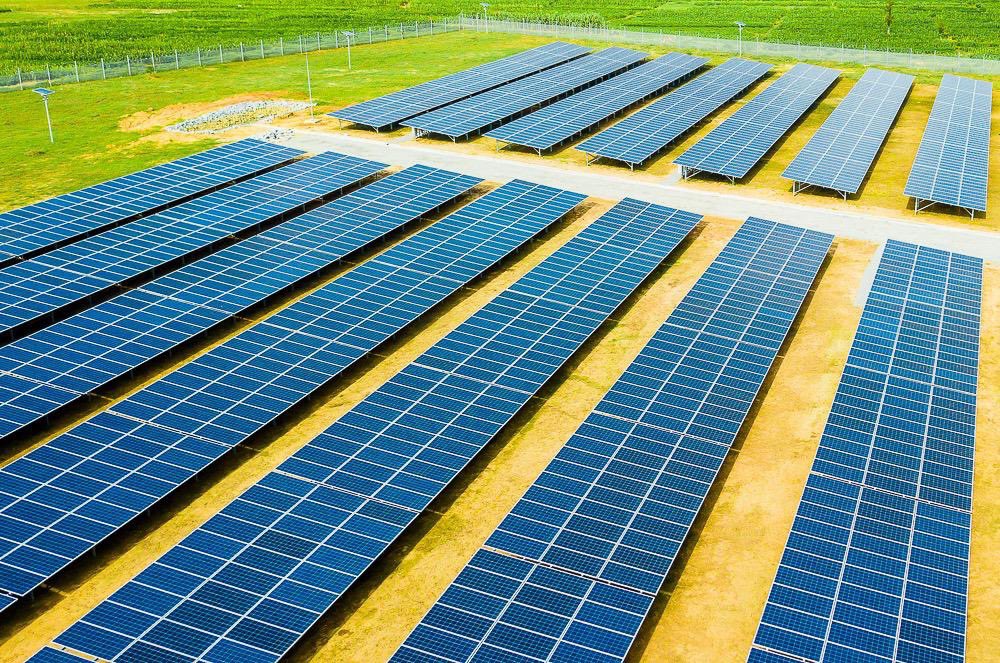
Off grid energy systems have been deployed to extend access to communities located beyond the immediate reach of the national grid. These solutions provide reliable electricity through solar systems and mini grids, ensuring that development is not delayed by infrastructure limitations.
Off grid systems are integrated within the broader electrification strategy, providing immediate access while long term grid expansion plans are implemented. These solutions support essential services and enable productive use of energy in remote areas.
- Solar and mini grid systems are delivering electricity to remote communities, enabling households to access power for lighting, communication, and small scale enterprise activities.
- Off grid solutions support public institutions such as schools and health facilities, ensuring that essential services operate with reliable energy in areas that are not yet connected to the grid.
Clean Cooking and Household Energy Transition
The transition toward clean cooking solutions is addressing both environmental and public health challenges associated with traditional energy sources. Households are being supported to adopt cleaner technologies that reduce exposure to harmful emissions and improve overall wellbeing.
This shift contributes to environmental conservation by reducing reliance on biomass fuels while supporting sustainable energy use. Clean cooking initiatives are an integral component of the broader energy transition.
- Clean cooking programs are reducing dependence on charcoal and firewood, improving indoor air quality and reducing health risks associated with prolonged exposure to smoke.
- Adoption of cleaner energy solutions supports environmental sustainability by reducing deforestation and promoting responsible use of natural resources.
Reduction of Diesel Dependence and Cost Stability
The reduction in reliance on diesel based power generation has strengthened cost stability within the energy sector, supporting affordability for consumers. Increased investment in renewable energy sources has enabled a transition toward more sustainable and predictable generation.
This shift enhances energy security while supporting long term cost management. Households and businesses benefit from a system that is less exposed to volatility associated with fuel based generation.
- Reduced use of diesel in electricity generation lowers production costs, contributing to more stable tariffs and improved affordability for consumers.
- Increased adoption of renewable energy sources strengthens sustainability while ensuring a consistent and reliable supply of electricity.
Energy Infrastructure and Investment Attraction
The improvement of energy infrastructure has enhanced Kenya’s attractiveness as a destination for investment, particularly within manufacturing and industrial sectors. Reliable energy supply is a critical factor in investment decisions, influencing location and scale of operations.
Energy infrastructure supports the development of industrial zones and economic clusters, creating opportunities for job creation and economic diversification. The availability of reliable power strengthens Kenya’s competitive position within the region.
- Stable electricity supply supports industrial operations, enabling investors to establish and expand manufacturing activities with confidence in energy availability.
- Energy infrastructure development creates an enabling environment for industrial parks and economic zones, supporting large scale production and value addition.
Policy Reforms, Governance, and Transparency
The Ministry has advanced policy reforms that strengthen governance within the energy sector, ensuring that operations are efficient, transparent, and aligned with national development objectives. Improved coordination among sector agencies enhances responsiveness and service delivery.
Transparency in energy processes builds public trust and supports accountability in the management of resources. Strong governance frameworks ensure that the sector operates sustainably and continues to attract investment.
- Policy reforms are improving affordability and accessibility of energy, ensuring that households and businesses can benefit from reliable power.
- Increased transparency strengthens accountability and builds confidence among stakeholders, including consumers, investors, and development partners.
- Enhanced coordination among agencies supports effective response to supply challenges and ensures consistent service delivery across the sector.
Social Impact and Quality of Life Improvements
The expansion of energy access is delivering measurable improvements in quality of life across communities. Electricity supports essential services, enhances economic participation, and enables access to opportunities that improve living standards.
Energy access is directly linked to improvements in healthcare, education, and security, reinforcing its role as a central component of national development. The benefits extend across households and communities, creating a foundation for sustained progress.
- Reliable electricity supports healthcare facilities by ensuring that medical equipment operates effectively, improving service delivery and patient outcomes.
- Access to energy enables digital connectivity, allowing individuals to engage in online services, education, and economic activities that expand opportunities.
- Electrification enhances community safety through improved lighting and increased activity during evening hours, supporting both social and economic interaction.
The Ministry’s delivery across community transformation, inclusion, and sustainability reflects a comprehensive approach that ensures energy access translates into real and lasting impact. The sector continues to advance with a clear focus on reliability, iaffordability, and long term resilience, ensuring that energy remains a central driver of Kenya’s development.
