
PART 1: National Framing and Strategic Context
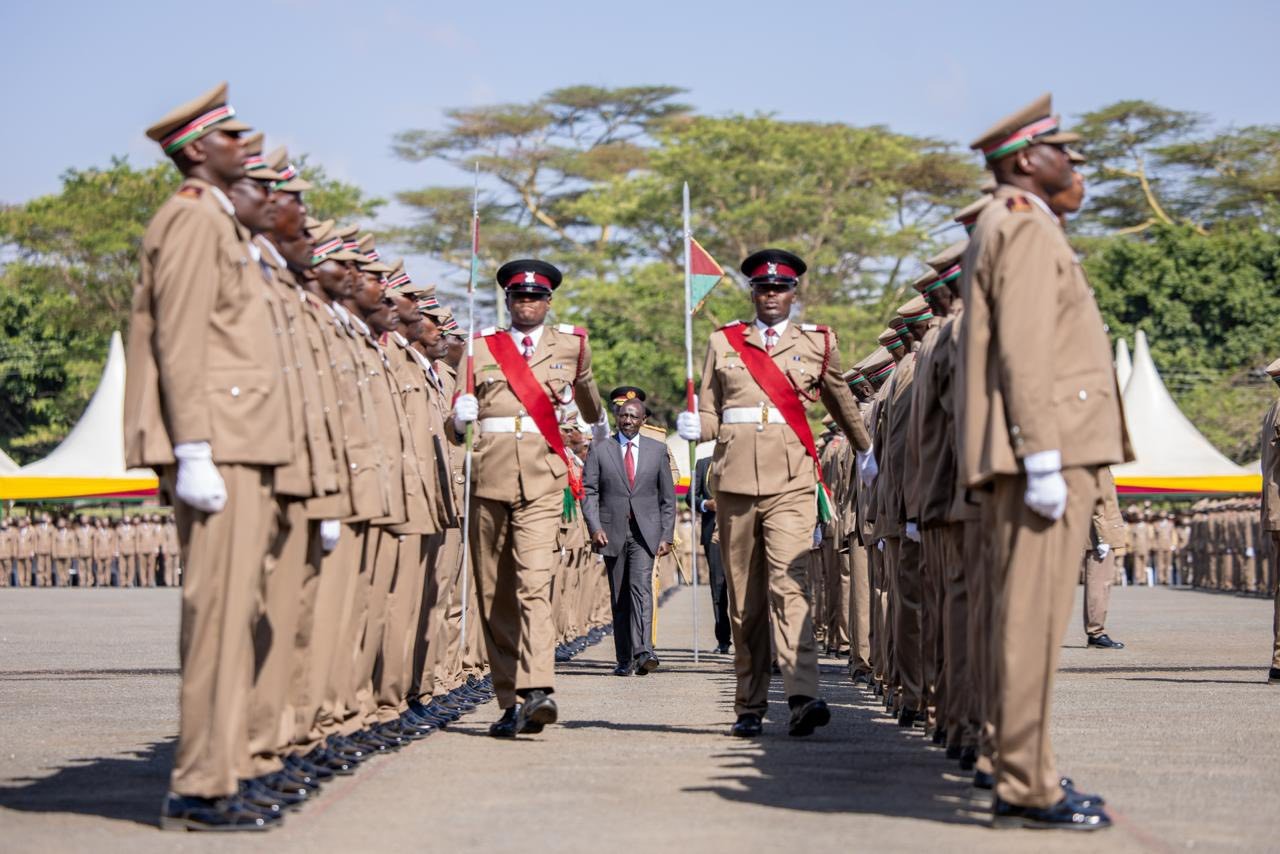
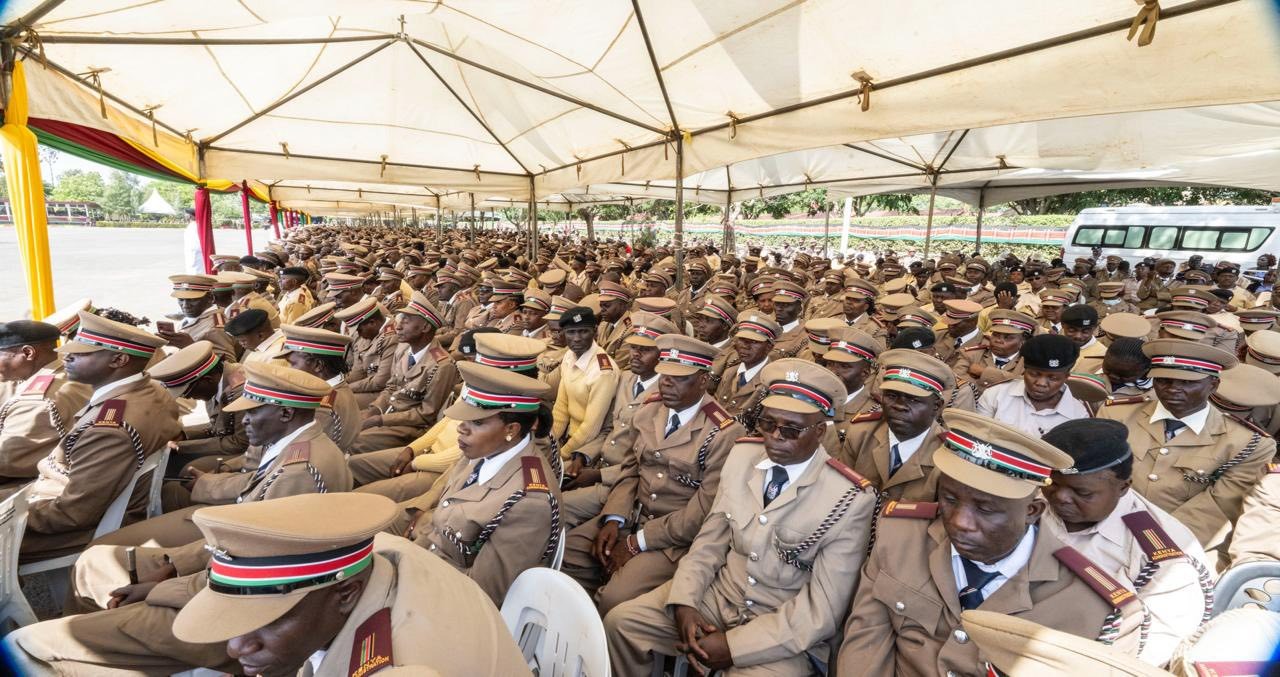
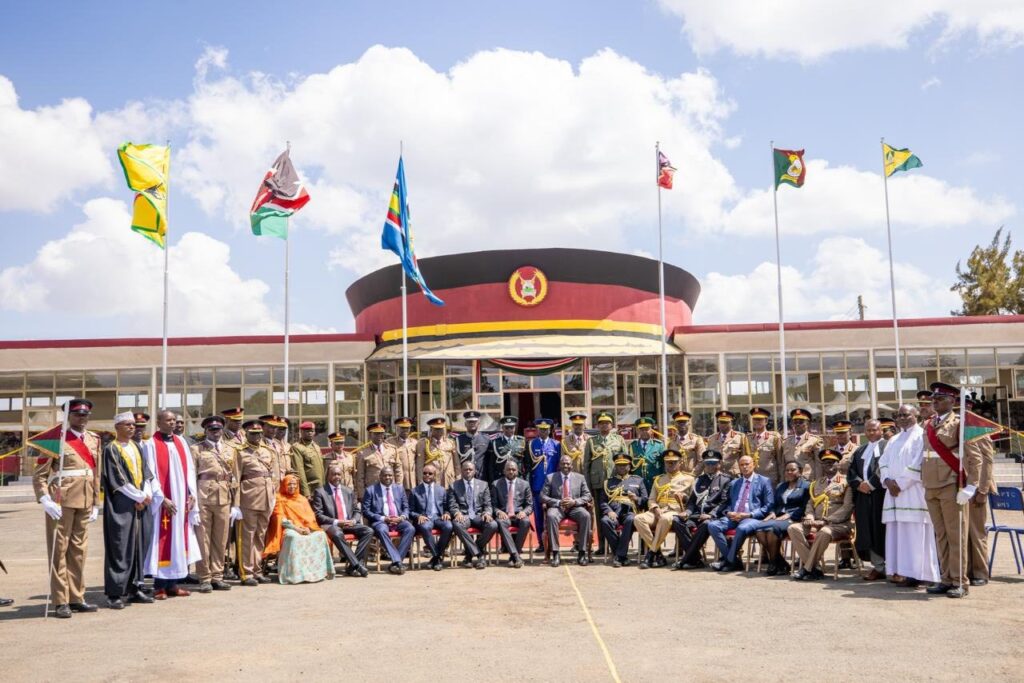
The graduation of 5,892 chiefs and assistant chiefs at the National Police College, Embakasi ‘A’ Campus yesterday introduced a new operational layer into Kenya’s administrative landscape. The ceremony, presided over by the Head of State and attended by key national and metropolitan officials, provided clarity on the evolving expectations placed on National Government Administrative Officers (NGAO). It also highlighted the State’s intention to equip frontline administrators with the tools required to manage local complexities, strengthen security coordination, and ensure structured public engagement.
The event unfolded against a backdrop of heightened demand for efficient, community-level service delivery. Chiefs and assistant chiefs remain the primary interface through which households and trading centres access state functions, report incidents, or seek guidance on governance and welfare issues. The graduation served as a confirmation that the administrative system is being recalibrated to respond to these demands with higher levels of accountability, procedure, and technical grounding.
Yesterday’s ceremony featured the issuance of certificates to officers who had completed induction training in Paralegal Studies and Security Management. This training forms part of a broader institutional investment in embedding legal awareness, structured documentation, early-warning capabilities, and stronger field coordination within the administrative service. The curriculum is designed to bring order to how chiefs interpret community issues, guide residents through lawful processes, manage disputes, work with justice agencies, and participate in multi-agency security responses. The training also introduces a disciplined operational culture emphasising accurate reporting, clarity in decision-making, and predictable service conduct.
The attendance by national and county leadership reinforced the cross-sector linkages that shape Kenya’s governance architecture. Administrative officers operate in environments influenced by transport corridors, urban safety demands, infrastructure works, and regulatory processes. Their functions intersect with policing, city management, mobility planning, disaster response, and citizen-service pathways. Yesterday’s ceremony illustrated the importance of aligning administrative capacity with these broader governance ecosystems to ensure Kenya’s public-service machinery operates with coherence and reliability.
From a reforms standpoint, the graduation reflects the continued restructuring taking place within the Ministry of Interior and National Administration. Emphasis has been placed on strengthening field supervision, modernising reporting systems, aligning administrative mandates with security-sector operations, and elevating the professional standards of officers in direct contact with the public. The graduation of three cohorts in one cycle signals progress in this direction and demonstrates the scale of capacity building currently underway.
The deployment of the 5,892 graduates will have measurable implications for grassroots administration. Communities should expect more visible officers, stronger adherence to procedure, and greater consistency in documenting incidents, guiding local processes, and convening multi-stakeholder responses. Their training prepares them to interpret emerging risks, support vulnerable groups, monitor local trends, and provide timely information that supports national decision-making. The officers also reinforce the administrative footprint in regions where population pressure, mobility changes, and economic activity have increased governance demands.

Yesterday’s ceremony also underlined the administrative weight carried by chiefs, particularly in environments characterised by rapid urbanisation, informal settlements, security pressures, climate-related vulnerabilities, or shifting socio-economic realities. The strengthened cohort is positioned to stabilise community structures, introduce order in local interactions, and channel public concerns into formal state systems rather than parallel or informal mechanisms.
Holding the ceremony at Embakasi ‘A’ Campus framed the event within a disciplined and structured environment associated with national training and security preparedness. The atmosphere underscored the seriousness of responsibilities the graduates are assuming, with emphasis on conduct, reliability, and operational readiness. The day’s proceedings communicated the expectation that administrative officers will operate with diligence, precision, and awareness of the wider governance systems they serve.
In essence, the event that unfolded yesterday marks a moment of administrative recalibration. It speaks to a broader national intention to build an administrative corps capable of interpreting community realities with accuracy, enforcing lawful processes fairly, safeguarding public order, and supporting government programs with integrity and structured execution. Part 1 thus frames the graduation as a governance milestone, setting the foundation for deeper analysis of the training program, institutional purpose, and sectoral impacts in subsequent sections.
PART 2: The Training Program and Its Institutional Purpose
The induction and training program delivered to the 5,892 graduating chiefs and assistant chiefs was conceived as a structural correction to longstanding governance gaps within Kenya’s grassroots administrative machinery. Rather than serving as a routine orientation, the program operated as a comprehensive institutional intervention aimed at strengthening legality, enhancing security intelligence, embedding reporting discipline, and aligning NGAO with the demands of a country experiencing rapid social, economic, demographic, and security transitions. Below is a detailed, high-depth elaboration of the training program and its institutional logic.
- NATIONAL IMPERATIVES THAT INFORMED THE TRAINING DESIGN
1.1 Legal Literacy as a Foundation for Credible and Accountable Administration
The State has increasingly recognised that chiefs frequently make decisions with direct legal effects — including mediating land disputes, guiding enforcement of public-order controls, intervening in domestic matters, issuing administrative notices, and handling community complaints that implicate statutory rights. Without structured legal training, these decisions risk inconsistency, bias, procedural error, or unlawful directives that expose communities and the State to conflict, rights violations, or litigation. The legal literacy component of the training was therefore designed to institutionalise lawful decision-making at the lowest levels of governance. Chiefs are now equipped to interpret statutes correctly, identify when matters fall outside administrative jurisdiction, protect the rights of minors and vulnerable persons, and ensure that all administrative actions reflect the procedural safeguards required by the Constitution.
1.2 Early Threat Detection and Structured Security Escalation as a National Priority
Security incidents in Kenya rarely emerge suddenly; they build from observable patterns such as rising community tension, unusual movements, resource pressure, youth idleness, or subtle behavioural changes. Historically, the absence of structured threat-recognition skills within NGAO has resulted in early indicators being missed or inaccurately reported, weakening national preparedness. The training positioned chiefs as the first analytical layer in the security chain, equipping them to detect emerging risks, classify them based on severity, document them properly, and channel information through established multi-agency pathways. This creates a predictable security-reporting pipeline that strengthens national intelligence coherence and prevents localised disturbances from escalating into wider threats.
1.3 The Administrative Need for Documented, Traceable, and Data-Driven Field Governance
Government decisions, planning processes, and justice interventions depend heavily on the accuracy of information coming from communities. Inconsistent documentation practices within NGAO have historically weakened administrative follow-up, hampered investigations, and reduced institutional memory at the field level. The training was therefore designed to build a culture where chiefs maintain structured records, incident logs, mediation files, community trend assessments, enforcement reports, rights-related interventions, and early-warning data, all captured in formats that can be audited and escalated. This professional documentation culture enhances transparency, supports evidence-based governance, and enables the Ministry to rely on field administrative data with confidence.
- THE PARALEGAL STUDIES MODULE
2.1 Interpretation of Statutes and the Boundaries of Administrative Mandate
The training emphasised that administrative authority is not discretionary but anchored in written law. Chiefs were taken through the specific Acts, regulations, and administrative instructions that govern their mandates. This includes understanding what constitutes lawful administrative orders, when intervention must be escalated to the police, how to recognise matters that legally belong to courts, and how to apply procedural fairness. This component strengthens the legitimacy of NGAO operations and reduces incidents of overreach or unlawful directives, creating an administrative environment grounded in legal certainty rather than personal interpretation.
2.2 Structured Dispute Resolution to Replace Improvised Community Negotiation
Many community disputes, if mismanaged, evolve into criminal cases or long-standing conflicts that destabilise local cohesion. Chiefs were trained to implement structured mediation frameworks built on neutrality, documentation, confidentiality, and lawful practice. This approach replaces ad-hoc negotiation with a standardised method of fact-gathering, facilitated dialogue, and recorded outcomes. The result is a predictable, fair, and transparent conflict-management process that reduces escalation, supports social cohesion, and creates documentary trails that can inform future administrative or judicial interventions.
2.3 Development and Preservation of Case Files as an Administrative Competency
One of the major gaps identified in NGAO historically has been the absence of reliable case files for disputes, incidents, and complaints. The training introduced chiefs to formal case-file development, ensuring every matter handled has a complete record, including statements, chronology of engagement, mediation outcomes, and any onward referrals. This structured approach strengthens continuity, supports police and judicial actors, and ensures that administrative decisions are grounded in verifiable evidence rather than oral recollection.
2.4 Protection of Rights During Administrative Interventions
Chiefs frequently encounter situations involving minors, vulnerable adults, victims of violence, or individuals in conflict with the law. The training clarified how to identify rights violations, how to act without exposing victims to additional risk, and when to activate statutory protection mechanisms. Officers were guided on confidentiality standards, safe interviewing procedures, and lawful coordination with social services, children’s officers, and probation departments. This ensures that administrative interventions align with constitutional protections and enhance community confidence in state processes.
2.5 Clarifying the Administrator’s Role Within the Justice Ecosystem
The training positioned chiefs within the justice chain, eliminating historical confusion about their jurisdiction. Officers were taught to distinguish between administrative, civil, and criminal matters, ensuring they do not attempt to resolve cases that legally fall under police or court authority. This role clarity enhances coordination, protects due process, and ensures each case follows the correct legal pathway. It also reduces institutional friction and improves justice-sector efficiency.
- THE SECURITY MANAGEMENT MODULE

3.1 Local Threat Mapping as a Community-Stability Tool
Chiefs were trained to build dynamic profiles of their jurisdictions by analysing social behaviour, historical tensions, environmental pressures, and shifting economic patterns. This localised threat mapping enables them to identify early indicators of insecurity, such as rising youth gang activity, boundary friction, illicit brewing networks, resource-related tensions, or sudden demographic shifts. It strengthens the national security architecture by grounding analysis in real community realities rather than reactive incident-based reporting.
3.2 Multi-Agency Coordination as a Mandatory Administrative Function
NGAO officers operate in environments where security functions overlap across multiple agencies — police, intelligence, county enforcement, disaster teams, and national regulators. The training clarified how chiefs should integrate into this ecosystem, when to convene meetings, how to escalate matters, how to issue structured briefings, and how to document joint resolutions. This replaces informal networks with institutionalised coordination, ensuring consistency in security operations across counties.
3.3 Crisis and Emergency Response as an Extension of Administrative Responsibility
Chiefs are often the first officials present in emergencies such as fires, floods, missing persons, or sudden community unrest. Officers were trained to stabilise scenes, preserve life and property, coordinate local responders, maintain communication with command centres, and document incidents accurately. The training established chiefs as frontline crisis managers capable of providing order and clarity before technical responders arrive.
3.4 Enforcement of Administrative Regulations Within Legal Limits
Chiefs enforce numerous regulations — market order, construction controls, noise limits, gatherings protocols, and licensing compliance. The training emphasised lawful enforcement, written notices, community engagement, and documentation of all enforcement actions. This reduces misuse of enforcement powers and strengthens the legitimacy of administrative orders.
3.5 Socio-Cultural Intelligence as a Preventive Governance Tool
Officers were guided to analyse cultural norms, ethnic relationships, leadership structures, livelihood patterns, and social vulnerabilities that influence community behaviour. Understanding these patterns enables chiefs to interpret tensions accurately and apply interventions that are preventive rather than reactionary. Such socio-cultural intelligence supports long-term stability and enhances community-state relations.
- INSTITUTIONAL OVERSIGHT AND ALIGNMENT WITH NGAO REFORM
The training forms part of a broader effort to institutionalise accountability, standardise administrative conduct, and push NGAO toward measurable performance culture. It aligns with reforms aimed at:
- eliminating arbitrary administrative practices,
- strengthening documentation and reporting,
- improving multi-agency coherence,
- anchoring decisions in law,
- enhancing community trust,
- and modernising the governance architecture at grassroots.
It introduces a professional operating framework that allows NGAO officers to serve as consistent, reliable, and accountable intermediaries between the State and communities.
- POST-DEPLOYMENT ADMINISTRATIVE ETHOS EXPECTED FROM GRADUATES
The training anticipates a new generation of officers who operate with:
- legal discipline, ensuring all actions reflect statutory authority;
- documentation fidelity, capturing every engagement in auditable formats;
- coordinated escalation, supporting multi-agency security operations;
- rights-sensitive decision-making, protecting vulnerable groups;
- community responsiveness, grounded in fairness and clarity;
- predictable enforcement, free from personal bias;
- analytical intelligence, reading patterns and anticipating risks;
- neutral leadership, uninfluenced by local networks or pressure systems.
This ethos positions NGAO as a structured administrative institution rather than a personality-driven role.
PART 3: Governance Impact and Grassroots Administration
The deployment of the 5,892 newly trained chiefs and assistant chiefs represents a significant recalibration of Kenya’s governance infrastructure at the community interface. NGAO operates at the junction where national policies meet local realities, making the quality of field administration a determinant of public trust, service uptake, community safety, and the accuracy of data that informs national planning. The graduation marks the introduction of a new administrative cohort equipped with legal literacy, security awareness, documentation discipline, and structured engagement skills that will materially shape governance outcomes across the country.
Below is a detailed analysis of the governance impacts expected from this deployment.
- Strengthening Operational Governance at the First Level of State Contact
Chiefs and assistant chiefs are the State’s lowest but most critical administrative touchpoints. They interpret government decisions, manage household-level engagements, guide compliance, document incidents, and convene local stakeholders. The newly trained cohort introduces a more structured administrative presence that prioritises procedure, documentation, and fairness. Unlike previous generations who relied largely on experience or community knowledge, this group enters service with formal training in statutory interpretation, operational protocols, and administrative record-keeping. The result is a strengthened governance interface where citizens encounter a predictable, process-driven administration capable of managing local issues with legal and operational clarity.
- Enhancing Local Dispute Resolution and Conflict Management Systems
Many community tensions, whether involving land boundaries, tenancy disputes, neighbourhood disagreements, or domestic matters, begin as manageable issues within the administrative authority of chiefs. When handled without structure, these tensions escalate into police cases, protracted conflicts, or community divisions. The newly trained officers possess structured mediation tools grounded in legal principles, neutrality, documentation, and follow-up mechanisms. This raises the quality of dispute resolution across rural and urban communities and reduces the burden on police, courts, and alternative justice systems. It also promotes social cohesion by ensuring disputes are resolved transparently and with procedural fairness, strengthening community trust in state processes.
- Building a Reliable Flow of Local Intelligence for National Security Planning
Security agencies depend on timely, accurate intelligence from the community level. Historically, this flow has been inconsistent or dependent on the personal networks of individual chiefs. The newly trained cohort is expected to institutionalise intelligence gathering by applying structured methods for identifying risks, documenting indicators, classifying threats, and reporting through multi-agency channels. This strengthens the national security architecture by ensuring that emerging threats, whether related to crime, radicalisation, resource conflict, displacement, or environmental stress, are captured early and escalated before they destabilise communities. The graduates will therefore function as reliable sensors that feed strategic early-warning systems.
- Improving Quality and Integrity of Local Administrative Records
Accurate records form the backbone of effective governance. For many years, administrative decisions at the grassroots were executed without proper documentation, weakening continuity, oversight, and accountability. The newly trained officers will introduce structured registers for incidents, mediations, compliance actions, community trends, security observations, and referrals. These records provide audit trails, support decision-making at sub-county and county levels, and allow the Ministry to evaluate the quality of administrative interventions. They also protect communities by ensuring decisions are traceable and not dependent on personal discretion or undocumented negotiations.
- Deepening Multi-Sector Coordination Across Justice, Security, and Development Agencies
Chiefs operate at the convergence of multiple sectors, policing, children’s services, agriculture extension, public health, education, social protection, and county enforcement. The training equips them to engage each of these sectors through structured communication, documented referrals, and predictable coordination. This strengthens inter-agency coherence and reduces operational fragmentation. When officers convene community forums, security meetings, or development committees, they bring structured analysis, documented insights, and legal clarity. This elevates the quality of multi-agency decision-making, particularly in areas where governance challenges span several sectors.
- Enhancing Administrative Oversight of Social Protection and Community-Based Government Programs
National programs, cash transfers, drought relief, youth initiatives, bursaries, public health campaigns, environmental conservation, market regularisation, often depend on chiefs for data, verification, mobilisation, and monitoring. The newly trained officers are expected to manage these responsibilities using procedural frameworks rather than informal arrangements. Their improved documentation, reporting, and rights-aware approach ensures that beneficiaries are correctly identified, resources reach intended households, and community programs are protected from distortions or elite capture. This strengthens the integrity of national social-protection and development interventions.
- Improving Public-Order Management and Local Compliance Structures
Chiefs are responsible for enforcing various administrative regulations, from market order and noise control to land-use compliance and public-event notifications. The newly trained cohort enters service with clarified legal boundaries, structured enforcement procedures, and documentation protocols. This will reduce arbitrary enforcement practices and improve regulatory oversight across communities. It also provides citizens with clearer guidance on compliance, ensuring that public order is maintained through lawful, transparent, and predictable administrative action rather than informal directives.
- Reinforcing National Data Systems Through Accurate Community-Level Reporting
Government planning in areas such as agriculture, health, education, infrastructure, disaster preparedness, and security depends on accurate local data. The training introduced chiefs to structured reporting formats for demographic shifts, emerging vulnerabilities, environmental changes, local economic trends, and community sentiments. This enhances the quality of data fed into national decision-making processes and enables the Ministry to respond proactively to changing conditions on the ground. With nearly 6,000 newly trained officers deployed across the country, Kenya’s community-level data infrastructure is expected to improve significantly.
- Strengthening Social Cohesion and Preventive Governance
Community stability is shaped by how local leaders interpret tensions, engage diverse groups, and manage competing interests. The training introduced chiefs to socio-cultural analysis tools that help them understand local histories, ethnic relations, livelihood pressures, and generational dynamics. This enhances their ability to detect early patterns of hostility and to intervene before conflict escalates. Their improved mediation capacity, combined with intelligence mapping, positions NGAO as a stabilising force capable of sustaining social cohesion in both rural and urban contexts.
- Creating a Uniform Administrative Culture Across All Counties
Historically, administrative practices varied widely depending on the experience, personality, or networks of individual chiefs. The structured training program standardises expectations, behaviour, reporting, and engagement protocols across the entire cohort. This reduces disparities in service quality between counties and creates a predictable administrative culture. When the Ministry issues directives or national programs, chiefs are now better aligned in how they interpret instructions, execute mandates, and document outcomes. A uniform administrative ethos strengthens national cohesion and enhances the credibility of NGAO as an institution.
- Enhancing Accountability and Oversight Through Professional Conduct Standards
The training established a professional ethos that prioritises legal compliance, neutrality, confidentiality, and ethical conduct. Chiefs are expected to avoid personal bias, political entanglement, or clan-based influence. Their actions are now more easily auditable due to improved record-keeping and reporting. This strengthens internal oversight mechanisms and provides the Ministry with clearer visibility into field operations. As a result, disciplinary processes become more evidence-based, and the Ministry can enforce performance standards consistently.
- Supporting County Governments Through Stronger Local Administrative Partnerships
County governments rely on chiefs for enforcement of by-laws, mobilisation for development programs, public communication, market management, and disaster coordination. The newly trained officers provide counties with more reliable administrative partners who understand operational protocols, multi-agency coordination, and structured reporting. This strengthens the interface between national and county governments and enhances collaborative delivery of public services.
- Building Community Confidence in the State Through Predictable Engagement
Citizens judge government credibility based on their daily interactions with local administrators. The newly trained officers introduce a style of administration that is more transparent, respectful, rights-aware, and consistent. This reduces friction between communities and the State and increases public willingness to participate in programs, report incidents, follow lawful processes, and support community initiatives. Predictable engagement from chiefs contributes to a more stable governance environment nationwide.
PART 4: Security Architecture and Multi-Agency Synergy
The graduation of 5,892 chiefs and assistant chiefs introduces a strategic layer into Kenya’s security architecture. Field administration and national security are intertwined systems; what happens in a village, informal settlement, peri-urban neighbourhood, or trading centre often determines the country’s overall stability. Chiefs serve as the earliest entry point into this system, making their competence foundational to multi-agency effectiveness. The newly trained cohort is therefore expected to strengthen the security continuum, from early detection to structured escalation, coordinated responses, and the preservation of community stability.
The following sections provide a detailed analysis of the security implications of deploying this newly trained cohort.
- Chiefs as the First Node in Kenya’s National Security Chain
The security chain begins long before an incident reaches police stations or intelligence desks. It begins at the point where early behavioural signals, environmental stressors, or community tensions emerge. Chiefs occupy this point. Their proximity to households, local networks, community leaders, and social institutions places them in contact with information that rarely surfaces through formal channels unless interpreted correctly. The training equips them to diagnose these early signs, situate them within legal and security frameworks, and categorise them based on severity. By strengthening analytical capacity at this first node, the State improves its ability to prevent escalation and intervene early.
- Transforming Local Intelligence Into Actionable National Security Inputs
Raw community information is not automatically intelligence. It becomes intelligence only when it is processed, contextualised, documented, and escalated through structured pathways. The training introduced chiefs to standardised methods for gathering, verifying, and formatting information so that it is usable by police, intelligence services, and county security teams. Officers now understand how to distinguish credible information from rumours, how to document incidents accurately, and how to produce situation briefs. This creates a more reliable intelligence ecosystem where decision-makers receive timely, structured, and accurate information from the community base.
- Strengthening Multi-Agency Coordination Through Defined Reporting Protocols
Security interventions frequently fail when agencies do not share information or work from a common operational picture. Chiefs often convene or sit in local security committees, but without structured training, their participation may lack analytical depth or consistency. The program clarified reporting lines, escalation procedures, joint-assessment protocols, and documentation formats for multi-agency meetings. Chiefs can now function as stable coordination anchors connecting police commanders, intelligence officers, county enforcement units, peace committees, and community policing structures. This reduces duplication, enhances response speed, and builds a coherent security environment.
- Early-Warning Systems Anchored in Community-Level Threat Mapping
Threats evolve through identifiable patterns. Chiefs were trained to map out social, economic, environmental, and behavioural indicators within their jurisdictions. This includes identifying areas where criminal groups may be emerging, monitoring resource-related tensions, tracking new demographic movements, understanding youth frustrations, and assessing local disputes with potential to evolve into wider conflict. This mapping enables officers to produce early-warning signals that guide security planning. The cumulative effect is a national security system that becomes proactive rather than reactive.
- Crisis Management Capacity at the Point of Incident Occurrence
Many emergencies, fires, floods, protests, disappearances, road disruptions, livestock theft, or sudden violence, require immediate stabilisation before specialised responders arrive. The training equipped chiefs with practical frameworks for securing scenes, managing crowds, preserving evidence, coordinating initial response teams, and communicating with command centres. Chiefs are now positioned to act as interim incident commanders whose early actions determine whether a situation escalates or remains contained. This expands Kenya’s crisis-response capability significantly, especially in remote or densely populated areas.
- Structured Handling of Inter-Ethnic and Resource-Based Conflicts
Some of Kenya’s most persistent conflicts originate from land boundaries, water access, grazing rights, or competing livelihood systems. Chiefs were trained to understand the dynamics of these conflicts, including their historical roots, patterns of escalation, actor networks, and potential triggers. This equips them to intervene with conflict-sensitive approaches, convene early dialogues, document grievances, and liaise with peace and security teams. Their role becomes preventive rather than corrective, reducing reliance on force and lowering the frequency of violent outbreaks.
- Regulation and Enforcement of Public Order Through Lawful Protocols
Enforcement is a sensitive security function, especially in politically charged or densely populated environments. Chiefs implement regulations relating to public gatherings, marketplaces, construction activities, noise levels, transport stages, and local business operations. The training clarified legal thresholds, documentation requirements, communication protocols, and enforcement boundaries. This ensures administrative actions are lawful, transparent, and defensible, reducing the risk of community resistance, misuse of authority, or escalation into confrontation. Lawful enforcement forms one of the most important stabilising tools within the security architecture.
- Enhancing Community Policing Through Evidence-Driven Engagement
Community policing succeeds when there is consistent engagement rooted in trust. Chiefs were trained to convert community feedback into data, identify patterns, and align community policing structures with multi-agency objectives. Instead of ad-hoc barazas, they are now expected to run evidence-driven engagements where community issues, crime statistics, social grievances, and vulnerability trends are tabled in structured formats. This elevates the quality of community policing and ensures that engagements lead to measurable outcomes rather than general dialogue.
- Supporting Counter-Violent Extremism and Youth-Risk Monitoring
Youth disillusionment, poor economic prospects, and digital influence networks have created new security risks across the country. Chiefs received training to recognise indicators of radicalisation, organised youth gangs, behavioural withdrawal, sudden ideological shifts, and unusual recruitment patterns. They were taught how to document these observations, engage affected families, and liaise with CVE (Countering Violent Extremism) structures. This strengthens national CVE systems by anchoring them in real community contexts rather than relying solely on specialised agencies.
- Operationalising the Interface Between National and County Security Mandates
Security in Kenya is a shared responsibility. National agencies handle policing and intelligence, while county governments handle enforcement, disaster management, market security, and urban order. Chiefs serve as the bridge between these mandates. The training introduced them to county structures, enabling them to coordinate more effectively with county enforcement teams, fire departments, health inspectors, and rapid response units. This strengthens the harmonisation between national directives and county execution, reducing duplicated efforts and improving public confidence in security responses.
- Embedding Chiefs Into Kenya’s Strategic Security Posture
The strategic value of chiefs lies not merely in their presence but in their ability to integrate local knowledge, administrative authority, and security responsibilities. The training transforms them into structured contributors whose actions influence national security posture. With stronger analytical skills, better documentation, and clear operational frameworks, chiefs become institutional assets capable of detecting threats, reducing tensions, stabilising incidents, and supporting long-term security objectives. Their deployment strengthens Kenya’s resilience against diverse threats, from community-level disputes to complex security challenges.
- Creating a Cohesive Field Security System Capable of Anticipating Rather Than Reacting
The overarching security implication of this training is the shift from reactive to anticipatory governance. Chiefs who understand patterns, map risks, manage incidents, and coordinate agencies create a security ecosystem that identifies threats early, mitigates them effectively, and reduces escalation. This prevents the costlier security interventions that occur when issues are allowed to grow unchecked. Over time, such anticipatory administration also strengthens national unity by reducing the frequency and severity of community-level conflicts.
- How the Presidential Presence Reinforced the Security Agenda
Although the event was not framed as a security summit, the attendance of the Head of State implicitly signalled the strategic significance placed on strengthening frontline governance structures. The presence underscored that community-level administration is an integral part of national stability. It demonstrated that the State considers NGAO a core security asset whose competence directly influences Kenya’s cohesion, investor confidence, and public safety. This institutional signal matters more than ceremonial considerations, it frames the training as part of Kenya’s long-term security strategy.
PART 5: The Reform Agenda Under PS Dr. Raymond Omollo

The deployment of 5,892 chiefs and assistant chiefs is unfolding within a broader administrative reform agenda driven by the Ministry of Interior and National Administration. The agenda seeks to strengthen the structure, discipline, and operational capability of NGAO. Under the stewardship of Principal Secretary Dr. Raymond Omollo, the Ministry has established a reform pathway that prioritises professional conduct, data integrity, accountability, and coordinated service delivery. The graduation of the new cohorts forms a central pillar in this ongoing transformation.
- Establishing a Predictable Administrative Culture Through Standardisation
The Ministry has been working toward a unified method of operation across all administrative units. Standardisation ensures that chiefs apply uniform processes when documenting incidents, mediating disputes, relaying intelligence, enforcing regulations, and coordinating with other agencies. This creates consistent expectations for citizens, partners, and national institutions. The training equips chiefs with the frameworks required to maintain this standardised approach, reducing procedural uncertainty and strengthening the credibility of NGAO as a coordinated governance system.
- Introducing Structured Accountability Across the Field Administration
A major priority within the reform agenda is strengthening accountability. Chiefs interact directly with households, businesses, community groups, and enforcement agencies. Their decisions influence public safety, rights protection, compliance levels, and program implementation. The Ministry is reinforcing accountability through record-keeping requirements, reporting cycles, documented decisions, and verifiable case files. These tools give supervisors at the sub-county, county, and regional levels clear visibility into field operations. They also support performance reviews, operational audits, and administrative evaluations.
The new officers have undergone training that prepares them to operate in this accountability framework with clarity and discipline.
- Strengthening NGAO’s Contribution to National Security Coordination
The reform agenda has placed considerable emphasis on enhancing NGAO’s role in national security coordination. Chiefs serve as the earliest point of contact for emerging risks, shifts in community behaviour, demographic changes, and conflict indicators. The Ministry is aligning NGAO reporting structures with national security protocols to create a continuous flow of accurate information from the community level to county and national headquarters. This approach ensures that security decisions reflect real-time information gathered from trained officers dispersed across the country.
The training prepares chiefs to produce structured reports, maintain organised intelligence notes, and engage with multi-agency security teams using clear operational language.
- Embedding Administrative Ethics and Rights-Sensitive Conduct
A significant component of the reform work focuses on ethical practice. Chiefs frequently manage situations involving minors, vulnerable households, displaced groups, gender-based violence survivors, and people in crisis. Ethical handling of such cases strengthens public trust and aligns field administration with constitutional values. The Ministry has reinforced ethical expectations through guidelines, performance indicators, and continuous training modules. The newly trained cohort has been prepared to manage sensitive engagements professionally, with respect for confidentiality, dignity, and lawful procedure.
- Enhancing Documentation, Data Integrity, and Evidence Preservation
Reliable data and accurate documentation form the backbone of effective governance. The reform agenda gives special attention to strengthening administrative records, including incident logs, mediation files, intelligence notes, referrals, enforcement notices, and community trend reports. These records guide national planning, support investigations, document administrative actions, and enable supervisors to monitor field performance. The training introduced templates, documentation standards, and reporting tools that officers are expected to use consistently. This creates a dependable flow of information for both governance and security agencies.
- Reinforcing Multi-Agency Coordination as a Permanent Administrative Function
Many government functions intersect at the community level. Chiefs interact with police, county governments, children’s services, health departments, agricultural officers, educators, and disaster-response teams. The reform agenda strengthens NGAO’s role as a coordination anchor across these sectors. The training equips chiefs with the skills to issue structured briefs, facilitate sector-specific meetings, maintain cross-agency records, and support enforcement of lawful decisions. Multi-agency coordination becomes a routine administrative function rather than a situational response.
- Strengthening Oversight Through Clearer Supervisory Structures
The Ministry has refined supervisory structures to ensure regular review of administrative actions. Sub-county and county commissioners monitor incident trends, dispute-resolution activities, enforcement actions, and intelligence submissions from chiefs. These supervisory layers provide guidance, enforce compliance, and escalate matters requiring national attention. The onboarding of 5,892 officers strengthens these structures by increasing staffing levels and distributing responsibilities across a wider administrative footprint.
The training embedded the habit of timely reporting, clear communication, and adherence to supervisory instructions, enabling the oversight system to operate with greater effectiveness.
- Building a Modern Administrative Cadre Capable of Supporting National Development Agendas
NGAO officers play a central role in delivering government programs. They support social protection, youth initiatives, drought mitigation, environmental conservation, public health campaigns, and education outreach. The reform agenda positions chiefs as field managers who translate national priorities into community action. The training prepares them to track implementation progress, identify emerging obstacles, mobilise local stakeholders, and communicate program requirements with clarity. This builds stronger alignment between national development agendas and grassroots execution.
- Strengthening Institutional Trust Through Predictable Administrative Conduct
Public trust in government is shaped heavily by interactions at the community level. Chiefs influence how citizens perceive fairness, transparency, and state presence. The reform agenda aims to strengthen trust by cultivating an administrative culture where decisions follow procedure, grievances receive structured attention, rights are respected, and documentation is accessible. The training expands the officers’ capacity to uphold these expectations consistently. Over time, this builds a governance environment where communities engage state institutions with confidence and transparency.
- Positioning NGAO as a Central Pillar in the Ministry’s Long-Term Transformation Blueprint
The Ministry’s administrative transformation blueprint envisions a field structure that is disciplined, analytical, rights-aware, and operationally reliable. The newly trained cohort forms a significant part of this design. Their induction marks a new phase where NGAO operates through documented actions, structured decision-making, lawful enforcement, and coordinated multi-agency engagement. The reform agenda under PS Dr. Raymond Omollo seeks to institutionalise these practices permanently, ensuring that NGAO develops into a consistently professional administrative cadre capable of supporting Kenya’s governance systems for decades.
PART 6: National Outcomes and Forward Trajectory

The deployment of 5,892 chiefs and assistant chiefs following their graduation at the National Police College, Embakasi ‘A’ Campus signals a new phase of administrative strengthening across the country. This cohort enters the field at a time when community dynamics are complex, security environments are shifting, and public expectations of service delivery are rising. Their training positions them to support national objectives through structured engagement, legal awareness, documentation discipline, and coordinated security participation. The outcomes anticipated from this deployment extend across governance, security, social development, and institutional reform.
- A Reinforced Administrative Presence Across All Counties
The addition of nearly six thousand trained officers expands the reach of administrative services to communities that rely heavily on chiefs for guidance, compliance oversight, welfare linkages, and coordination of government programs. Their presence enhances day-to-day governance by ensuring that households, markets, local organisations, and community groups interact with officers who understand procedures, documentation, and lawful engagement. This presence stabilises administrative functions at the grassroots and enables the Ministry to maintain continuity in decision-making across diverse regions.
- Strengthening Kenya’s Positioning for National Development Programs
Many government initiatives operate through community-level structures. These include social protection programs, agricultural extension activities, housing schemes, youth empowerment efforts, environmental conservation, and relief operations. The newly deployed officers bring structured administrative practices that support the implementation of these programs. Their ability to track beneficiary lists, verify information, coordinate community mobilisation, and report progress introduces predictability to program delivery. This creates a clearer link between national plans and grassroots execution.
- Expansion of a Data-Grounded Governance Environment
A key national outcome from this deployment is the strengthening of data collection and reporting from administrative units. Chiefs are responsible for generating information that informs planning, including population trends, land-use changes, environmental risks, movement of households, youth patterns, local economic activity, and emerging community concerns. Trained officers can now produce reports that align with national formats, enabling policymakers to access consistent field data. This supports evidence-based decision-making at both national and county levels.
- Advancement of a Coordinated Community Security Framework
The security landscape in Kenya is influenced heavily by community-level behaviours and local triggers. The new officers, having undergone Security Management training, are positioned to contribute to a coordinated national security framework. Their participation in multi-agency meetings, submission of structured intelligence, and management of local incidents supports Kenya’s overall stability. The national outcome is a more organised flow of information from households to security agencies, enhancing situational awareness across regions.
- A Stronger Foundation for Social Cohesion and Community Stability
Community stability depends on structured leadership, managed dialogue, and predictable dispute-handling mechanisms. The training received by the chiefs prepares them to facilitate these functions with clarity and neutrality. Through regular engagement with elders, women’s groups, youth associations, religious leaders, and local committees, officers can identify tensions early and document them in formats that feed into peace and security systems. This sustained presence and engagement contribute to social cohesion and orderly community life.
- Improved Oversight of Public Resources and Local Compliance Systems
Chiefs support the oversight of public resources by verifying lists, monitoring distribution processes, certifying community works, and ensuring adherence to lawful procedures in local transactions. Their consistent documentation and compliance checks enhance transparency in areas such as bursary allocations, relief distribution, construction approvals, and market operations. The national outcome is an administrative system that supports accountability at the community level through organised oversight.
- Strengthened Integration Between National and County Governments
The work of chiefs intersects with county departments responsible for health, trade, environment, disaster response, and local enforcement. The trained officers enter the field with a clearer understanding of Nairobi’s national–county governance interface, enabling smoother collaboration with county teams across all 47 counties. Their structured communication and record-keeping improve coordination on cross-sector issues that require joint responses, including disease surveillance, market regulation, urban safety, livestock movement, and land-use matters.
- A Renewed National Administrative Cadre Positioned for Long-Term Reform
The graduation aligns with the Ministry’s long-term administrative renewal program, which aims to build a disciplined, documented, and ethically grounded field structure. The new cohort forms a generational group that will grow within the system under clear supervision, structured reporting expectations, and ongoing in-service training. Their deployment demonstrates the Ministry’s sustained commitment to building an administrative corps with the capacity to adapt to evolving national priorities and engage communities with clarity and authority.
- A Strengthened Framework for Program Monitoring and Field Intelligence
Government programs require continuous monitoring to assess impact, identify obstacles, and adjust interventions. Chiefs play a central role in tracking these indicators at the local level. The new officers are equipped to produce routine field intelligence reports covering food security trends, migration pressures, economic strains, environmental challenges, and social vulnerabilities. This reporting structure strengthens Kenya’s early-warning and program-adjustment capabilities, supporting timely national responses.
- A More Predictable Environment for Citizenship Engagement
Citizens interact with chiefs for essential services: confirmations, letters, introductions, compliance notices, dispute facilitation, and access to state programs. The new cohort is expected to create a predictable administrative environment where citizens experience consistent procedures, lawful instructions, and accessible documentation. This predictability encourages constructive engagement with government structures and supports a civic culture grounded in trust and clarity.
- A Governance Footprint That Enhances Institutional Visibility
Every administrative unit functions as a visible representation of the State. The deployment of trained officers strengthens the institutional footprint across rural, peri-urban, and high-density environments. Their work in documentation, mobilisation, compliance, and coordination enhances the State’s operational visibility and demonstrates an organised governance presence capable of managing community issues with protocol and structure.
- Forward Trajectory: Sustained Training Cycles, Regular Assessments, and Institutional Consolidation
The graduation signals the beginning of a continued reform trajectory rather than a final milestone. The Ministry anticipates further capacity-building cycles, refresher courses, digital-reporting integration, ethics strengthening, and enhanced oversight processes. Chiefs will undergo periodic assessments to ensure alignment with evolving policy priorities and administrative expectations. This creates a long-term pathway through which NGAO will maintain relevance, operational readiness, and institutional discipline as Kenya’s governance and security environment transforms.
Closing Institutional Outlook
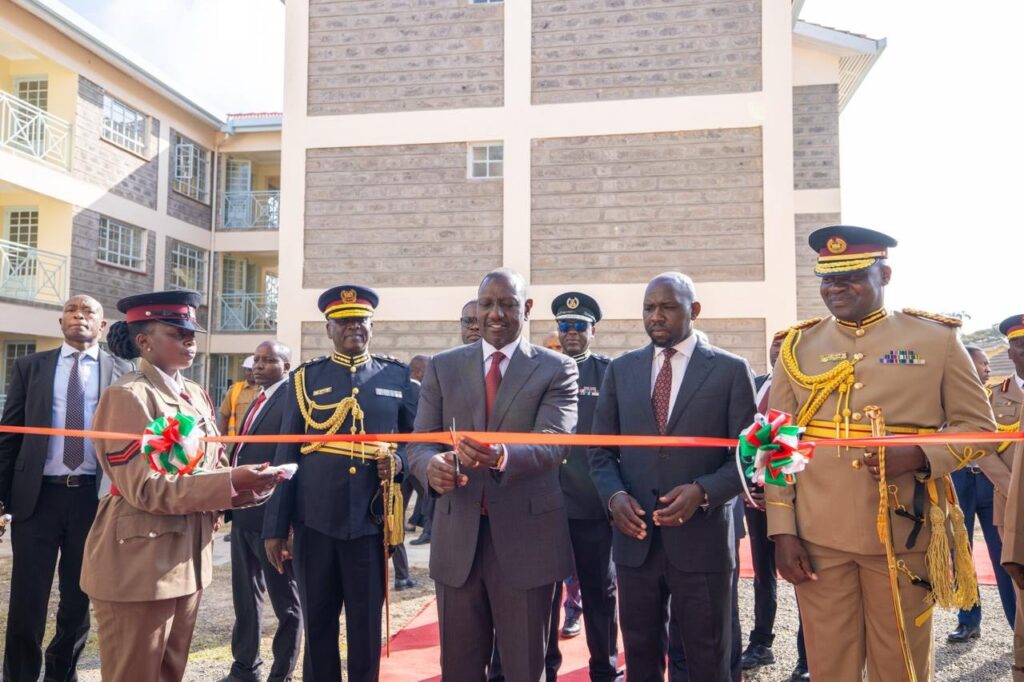
The deployment of the newly graduated cohort creates an administrative landscape anchored in structure, documentation, intelligence awareness, lawful engagement, and multi-agency coordination. Their work will shape national development, security stability, community welfare, and institutional accountability for the foreseeable future. As the Ministry continues to refine NGAO through ongoing reforms, the integration of this new cadre marks a decisive step in strengthening Kenya’s frontline governance architecture.
