
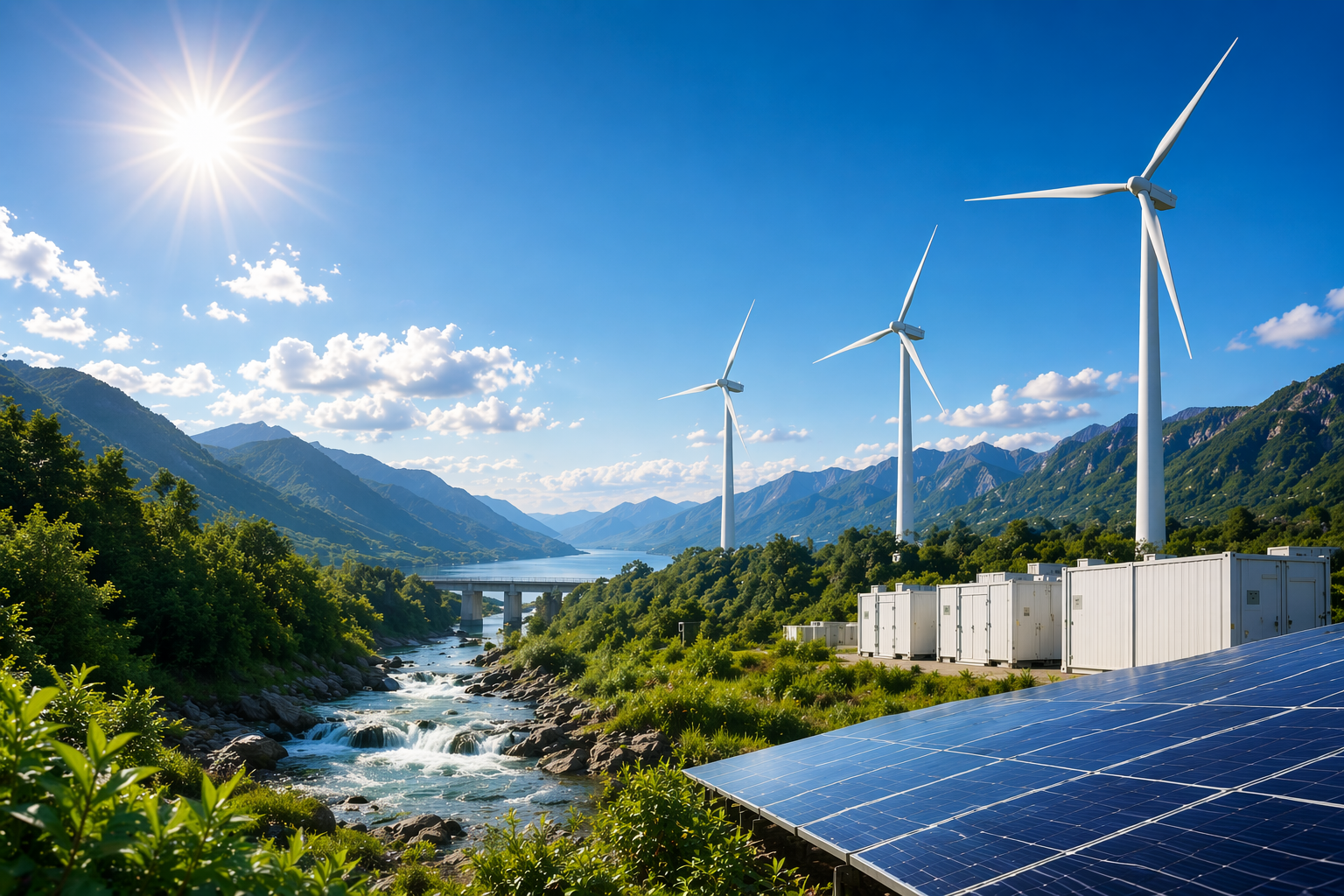
Kenya is expanding renewable energy capacity, a central pillar of the Bottom Up Economic Transformation Agenda (BETA), where affordable and reliable electricity supports industrial productivity, enterprise development, and inclusive economic opportunity. Energy infrastructure within the BETA framework functions as a strategic platform that enables manufacturing growth, agricultural value addition, digital innovation, and regional trade competitiveness. Under the BETA framework, the government continues to prioritize the expansion of renewable energy systems in order to strengthen energy security, reduce production costs, and support long term economic growth.
Kenya already operates one of the cleanest electricity systems in the world, with more than 90% of national power generation derived from renewable sources including geothermal, hydroelectric, wind, and solar energy. This strong renewable foundation provides a competitive advantage for the country’s manufacturing sector and positions Kenya as a continental leader in climate responsible energy development.
National energy policy therefore focuses on expanding generation capacity through large scale geothermal development, wind energy projects in high potential regions, and growing solar investments across arid and semi arid areas. These efforts support Kenya’s long term objective of expanding total generation capacity toward approximately 9,000 to 10,000 megawatts over the coming decades, strengthening energy reliability for industry, households, and public infrastructure.
Reliable electricity supply supports industrial parks, digital infrastructure, agro processing industries, and urban development. By expanding renewable power generation while maintaining grid stability, Kenya continues to position itself as a leading destination for manufacturing investment and technology innovation within Africa.
The Geothermal Foundation: Kenya’s Baseload Strength
Geothermal energy forms the most reliable pillar of Kenya’s electricity system and remains central to the country’s long term energy expansion strategy. Kenya currently ranks among the largest geothermal producers in the world, with installed capacity exceeding 900 megawatts and significant untapped potential within the Rift Valley geothermal belt.
Unlike wind or solar generation, geothermal power provides stable baseload electricity that operates continuously regardless of weather conditions or time of day. This reliability allows geothermal plants to supply consistent energy to the national grid while supporting industrial activity that requires uninterrupted electricity.
- Harnessing the Rift Valley Energy Corridor
The Great Rift Valley remains the primary region for geothermal development in Kenya. Major geothermal fields in Olkaria, Menengai, and the Baringo Silali geothermal block contain significant untapped steam resources capable of supporting long term power expansion. Government agencies and private energy developers continue to drill new geothermal wells in these areas in order to increase generation capacity and strengthen the reliability of the national grid.
- Accelerating Development through Modular Power Plants
Kenya has increasingly adopted modular geothermal power plant technologies that allow electricity generation to begin soon after steam resources are confirmed. These modular plants enable power to be injected into the national grid while larger permanent stations are constructed. This approach shortens project timelines and improves the speed with which new electricity capacity becomes available.
- Industrial Applications of Geothermal Steam
Geothermal resources offer opportunities beyond electricity production. Steam from geothermal wells can be used directly in industrial processes including agricultural drying, food processing, and manufacturing heat applications. Industrial parks located near geothermal fields can therefore benefit from lower energy costs and improved production efficiency.
- Environmental Sustainability and Carbon Markets
Geothermal energy produces extremely low greenhouse gas emissions compared with fossil fuel power generation. Kenya’s strong renewable energy profile strengthens its position in global climate financing initiatives and carbon market mechanisms. Revenue from carbon credit systems supports climate mitigation projects and rural electrification initiatives.
Harnessing the Winds of Northern Kenya
Wind energy represents another major pillar within Kenya’s renewable energy portfolio. The country’s geography provides some of the strongest and most consistent wind resources on the African continent, particularly within northern counties and elevated rift valley regions.
Kenya’s wind energy development has already produced landmark projects such as the Lake Turkana Wind Power project, which remains the largest wind farm in Africa. Continued expansion of wind power strengthens energy diversification while reducing dependence on imported fossil fuels.
- Expansion of Wind Power in Northern Counties
Northern Kenya offers vast wind corridors with high average wind speeds suitable for commercial electricity generation. Areas in Marsabit, Turkana, and Samburu counties continue to attract investment interest for additional wind projects that can supply large volumes of clean electricity to the national grid.
- Strengthening Transmission Infrastructure
The expansion of wind energy requires robust transmission networks capable of transporting electricity from remote generation sites to urban demand centers. Investments in high voltage transmission lines continue to strengthen grid connectivity between northern renewable energy zones and the national electricity network.
- Energy Storage and Grid Stability
Renewable energy integration requires improved grid management systems and energy storage technologies. Battery energy storage systems and modern grid management software allow the electricity system to balance fluctuations in wind output while maintaining stable power supply for consumers and industries.
- Local Community Participation
Wind energy developments generate economic opportunities for host communities through employment, improved local infrastructure, and land lease revenues. Community engagement programs ensure that renewable energy projects contribute to regional development and social inclusion.
The Solar Revolution: Expanding Access to Clean Energy
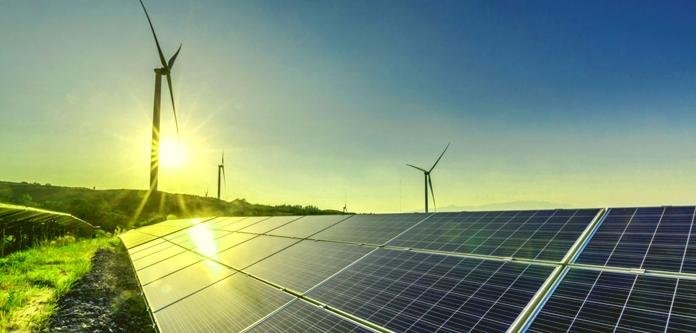
Solar energy represents one of the most versatile components of Kenya’s renewable energy strategy. Kenya’s geographic location near the equator provides abundant solar radiation throughout the year, creating ideal conditions for both large scale solar power plants and decentralized solar systems.
Solar technology plays an important role in expanding electricity access to remote regions while supporting the national grid during daytime demand peaks.
- Utility Scale Solar Development in Arid Regions
Large scale solar power plants have been developed in counties such as Garissa, demonstrating the viability of solar energy for grid connected electricity generation. Arid and semi arid regions offer extensive land availability and strong solar radiation suitable for additional solar installations.
- Mini Grids and Rural Electrification
Solar mini grids provide electricity to remote communities located far from the national transmission network. These decentralized systems power homes, schools, clinics, and small businesses, significantly improving economic activity in rural areas.
- Solar Powered Public Infrastructure
Public institutions including schools, hospitals, and government facilities are increasingly incorporating solar installations to supplement grid electricity. These systems improve energy reliability and reduce operational costs for essential public services.
- Growth of the Solar Technology Industry
Kenya continues to develop a growing ecosystem of solar technology providers, installers, and service companies. Local assembly initiatives and investment incentives encourage the development of a domestic solar supply chain, reducing costs and expanding access to solar technology for households and businesses.
The Integration Strategy: Grid Modernization and Regional Interconnectivity
The continued expansion of Kenya’s renewable electricity generation requires parallel investment in transmission, distribution, and grid management infrastructure. Electricity produced from geothermal plants in the Rift Valley, wind farms in northern Kenya, and solar facilities in arid regions must be delivered efficiently to urban centers, industrial parks, and residential communities across the country. A modern and resilient transmission network ensures that renewable energy resources located far from consumption centers can support national economic activity without excessive technical losses.
National energy policy therefore emphasizes the modernization of the electricity grid into a digitally managed system capable of responding to changing supply and demand conditions. Renewable energy systems such as wind and solar introduce natural variability into electricity generation. A responsive grid equipped with modern control technologies ensures stable electricity supply while maximizing the use of clean energy resources. Strengthening transmission infrastructure also supports long term expansion of national generation capacity and reinforces the reliability of electricity services for both industry and households.
- Implementation of Smart Grid Technologies
The deployment of digital grid management tools such as Supervisory Control and Data Acquisition (SCADA) systems and Energy Management Systems (EMS) enables real time monitoring of electricity flows across the national transmission network. These technologies allow grid operators to balance electricity supply and demand with greater precision while coordinating generation from geothermal, wind, hydro, and solar sources. Automated grid control improves operational efficiency and reduces the likelihood of system disturbances. The gradual introduction of smart metering technology further enhances billing transparency while helping electricity utilities identify and reduce technical and commercial losses within the distribution network.
- Development of High Voltage Regional Interconnectors
Kenya occupies a strategic position within the Eastern Africa Power Pool (EAPP), which facilitates cross border electricity trade between regional economies. High voltage interconnection lines linking Kenya with neighboring countries such as Ethiopia, Uganda, and Tanzania strengthen regional energy cooperation and enhance grid stability. These transmission corridors allow Kenya to import electricity during periods of high domestic demand and export surplus renewable energy during periods of strong generation. Regional electricity trade improves the resilience of national power systems while supporting economic integration across East Africa.
Energy as a Catalyst for Industrial Special Economic Zones
National development strategy increasingly emphasizes the alignment of energy infrastructure with industrial development. Reliable electricity supply forms the foundation of modern manufacturing, logistics operations, and digital industries. By locating industrial zones close to major energy generation sites and transmission corridors, Kenya strengthens production efficiency and reduces operational costs for manufacturers.
Special Economic Zones (SEZs) and Export Processing Zones (EPZs) therefore rely on stable and affordable electricity to attract investment in value addition industries, manufacturing facilities, and technology driven enterprises. These zones support employment creation, export expansion, and industrial diversification within the national economy.
- Direct Power Supply for Industrial Parks
Industrial parks such as those located in Naivasha, Athi River, and other designated industrial corridors benefit from proximity to major electricity transmission infrastructure and geothermal power generation facilities. Reliable high capacity electricity supply supports manufacturing activities that require uninterrupted energy for continuous production processes. Industries such as textile manufacturing, steel fabrication, agro processing, and industrial assembly depend on stable electricity supply in order to maintain productivity and meet export market demand.
- Support for the Digital Economy and Data Infrastructure
Kenya’s renewable energy profile strengthens its attractiveness as a destination for international technology infrastructure including data centers and digital services platforms. Data centers require large volumes of electricity for server operation and cooling systems. Access to a power grid supplied predominantly by renewable sources allows technology firms to operate within global environmental sustainability standards. The expansion of digital infrastructure supports cloud computing, financial technology platforms, digital services industries, and high speed telecommunications networks.
Sustainable Financing and Regulatory Frameworks
The long term development of Kenya’s electricity sector requires a stable investment environment supported by transparent regulatory frameworks and innovative financing mechanisms. Renewable energy infrastructure projects require significant capital investment and long project development timelines. Clear policy guidelines and predictable regulatory processes encourage both domestic and international investors to participate in electricity generation and grid expansion.
The government continues to strengthen institutional oversight of the energy sector while promoting private sector participation in generation projects, transmission development, and renewable energy innovation.
- The Role of Independent Power Producers (IPPs)
Independent Power Producers play a major role in Kenya’s electricity generation portfolio through public private partnership arrangements. Through long term Power Purchase Agreements (PPAs) with the national utility, private developers are able to finance and construct large scale wind, solar, and geothermal power plants. This framework provides financial certainty for investors while enabling the country to expand generation capacity without placing excessive fiscal pressure on public resources.
- Utilization of Green Financing Instruments
Kenya’s strong renewable energy portfolio positions the country to access international climate finance mechanisms including green bonds and climate investment funds. These financial instruments mobilize capital specifically for environmentally sustainable infrastructure projects such as renewable energy plants and transmission upgrades. Renewable energy projects may also generate carbon credits under international climate frameworks, creating additional revenue streams that can support rural electrification programs and the long term maintenance of clean energy assets.
Rural Electrification and the Decentralization of Energy
Kenya’s energy transformation extends beyond national generation capacity to include the expansion of electricity access across rural communities. Expanding last mile connectivity strengthens economic inclusion and ensures that renewable energy investments deliver tangible benefits across the entire country. Energy access supports rural enterprise development, improves social services, and raises living standards in counties where economic activity has historically been constrained by limited electricity supply.
National policy therefore emphasizes a combination of grid extension, decentralized renewable systems, and community energy solutions that expand electricity availability in remote areas. Access to reliable power strengthens agricultural value chains, supports small business development, and enables rural households to participate more fully in the national economy. The growth of small and medium enterprises across rural markets strengthens local commerce and encourages productive economic activity within villages and trading centers.
- The Impact of the Last Mile Connectivity Project
The Last Mile Connectivity Project continues to strengthen electricity access by expanding the national transformer network and extending distribution lines into underserved communities. Government support for connection costs allows low income households and small rural enterprises to join the national grid. Increased electricity access enables commercial activities that depend on reliable power, including refrigeration for food storage, equipment operation for small manufacturing enterprises, and longer operating hours for rural markets and service businesses. These improvements support local economic circulation and encourage the growth of community level enterprise.
- Development of Solar Mini Grids for Remote Communities
Solar mini grid systems provide reliable electricity for communities located far from the national transmission network. These decentralized power systems supply electricity to homes, schools, health facilities, and small businesses within rural settlements. Solar mini grids support essential services such as water pumping for irrigation, lighting for educational institutions, and electricity for small machinery used by rural entrepreneurs. Access to reliable electricity allows communities to adopt modern technologies and strengthens the productive use of energy across rural economies.
Energy for Social Progress: Health, Education, and Public Safety
Reliable electricity serves as a powerful driver of social development across the country. Electrification programs targeting health facilities, schools, and public service institutions strengthen the delivery of essential services and improve the quality of life for communities. Renewable energy installations support the continuity of public services while reducing long term operational costs for government institutions.
The integration of solar and geothermal electricity into public infrastructure ensures that healthcare facilities, educational institutions, and administrative centers operate with stable and dependable energy supply.
- Modernizing Healthcare through Reliable Power
Electricity access within Level 2 and Level 3 health facilities supports the operation of medical equipment, laboratory diagnostics, and vaccine storage systems that require stable refrigeration. Renewable energy installations such as solar systems combined with battery storage provide dependable power for maternity wards, emergency units, and outpatient services in remote regions. Reliable electricity improves healthcare delivery and supports better medical outcomes across rural communities.
- Digital Learning and the Transformation of Education
Electricity access within schools enables the integration of digital learning tools into the education system. Power supply supports internet connectivity, electronic learning devices, and digital administration systems used by teachers and school administrators. Students in rural and marginalized regions gain access to digital educational resources that strengthen learning outcomes and expand exposure to modern technological skills required within today’s workforce.
Future Horizons: Green Hydrogen and Advanced Energy Storage
Kenya’s long term renewable energy strategy continues to explore emerging technologies that strengthen grid resilience and expand new economic opportunities within the clean energy sector. Research into green hydrogen production and large scale battery energy storage systems represents an important frontier in the country’s energy development pathway. These technologies support better management of renewable energy supply while opening opportunities for new industrial applications and export markets.
Renewable electricity generated during periods of strong wind or geothermal output can support advanced energy systems that store power or convert it into clean fuel resources suitable for industrial use and transport applications.
- Exploring Green Hydrogen Production
Kenya’s geothermal and wind resources create favorable conditions for the potential production of green hydrogen through electrolysis processes powered by renewable electricity. Hydrogen fuel can support industrial applications including fertilizer production and clean energy supply for transport systems. International interest in hydrogen markets continues to grow, creating opportunities for countries with abundant renewable energy resources to participate in emerging global clean energy supply chains.
- Scaling Battery Energy Storage Systems (BESS)
Battery energy storage systems strengthen the stability of electricity networks that integrate multiple renewable energy sources. These systems store excess electricity produced during periods of high generation and release stored energy during peak demand periods. Energy storage technologies enhance grid reliability, support renewable energy integration, and improve the overall efficiency of national electricity systems.
Achieving a Sustainable Industrial Frontier
Kenya’s evolving energy strategy reflects a forward looking framework for economic development anchored in clean, reliable, and domestically generated power. Through sustained investment in geothermal, wind, hydroelectric, and solar energy resources, together with modernization of the national electricity grid, the Republic of Kenya continues to strengthen its role as a continental leader in renewable energy development. This strategic direction supports industrial expansion, strengthens environmental stewardship, and advances inclusive economic growth across the country.
The long term objective is the establishment of a resilient energy ecosystem capable of supporting industrial productivity, regional trade integration, and equitable access to electricity. Within this framework, each expansion in generation capacity contributes directly to the realization of the Bottom Up Economic Transformation Agenda, where affordable and reliable electricity serves as a catalyst for enterprise growth, manufacturing development, and improved living standards.
- Energy Security and Economic Sovereignty
Prioritizing domestic renewable energy resources strengthens national energy security and reduces exposure to fluctuations in international fossil fuel markets. Electricity generated from geothermal fields, wind corridors, and solar installations relies on resources located within Kenya’s borders. This approach strengthens the national balance of payments and retains capital within the domestic economy. Stable and predictable electricity pricing creates a supportive environment for long term investment planning by manufacturers, service enterprises, and small business operators across the country.
- Kenya as an Emerging Green Manufacturing Destination
Kenya’s electricity system is supplied predominantly by renewable energy sources, creating a favorable environment for environmentally responsible industrial production. Manufacturing operations located within Special Economic Zones and industrial parks benefit from access to clean and reliable electricity. Global supply chains increasingly prioritize low carbon production environments, and Kenya’s renewable energy profile strengthens its attractiveness to investors seeking sustainable manufacturing locations. Industries such as electronics assembly, electric mobility components, and agro processing stand to benefit from this competitive advantage.
A Future Ready Energy Landscape
Kenya’s energy transformation forms a central component of the country’s broader development strategy and long term economic resilience. Expansion of renewable electricity generation, modernization of grid infrastructure, and strengthening of regional electricity cooperation collectively support a stable and reliable energy system capable of meeting future demand. Investments in emerging technologies such as advanced energy storage and hydrogen research further expand opportunities for innovation within the energy sector.
- Commitment to Universal Access and Inclusion
The success of the national energy strategy is reflected in the continued expansion of electricity access across both urban and rural communities. Rural electrification initiatives, grid extension programs, and decentralized solar systems ensure that communities across the country benefit from reliable and affordable electricity. Access to power supports education, healthcare services, enterprise development, and improved quality of life for households.
- Leadership in Africa’s Renewable Energy Transition
Kenya’s experience in geothermal development and large scale wind energy projects offers valuable lessons for other African economies seeking sustainable energy pathways. Through regional cooperation initiatives such as the Eastern Africa Power Pool, Kenya contributes to strengthening cross border electricity trade and regional energy security. Continued leadership in renewable energy development supports the country’s role within global climate cooperation frameworks while attracting technical partnerships and investment necessary to sustain long term energy sector growth.
