
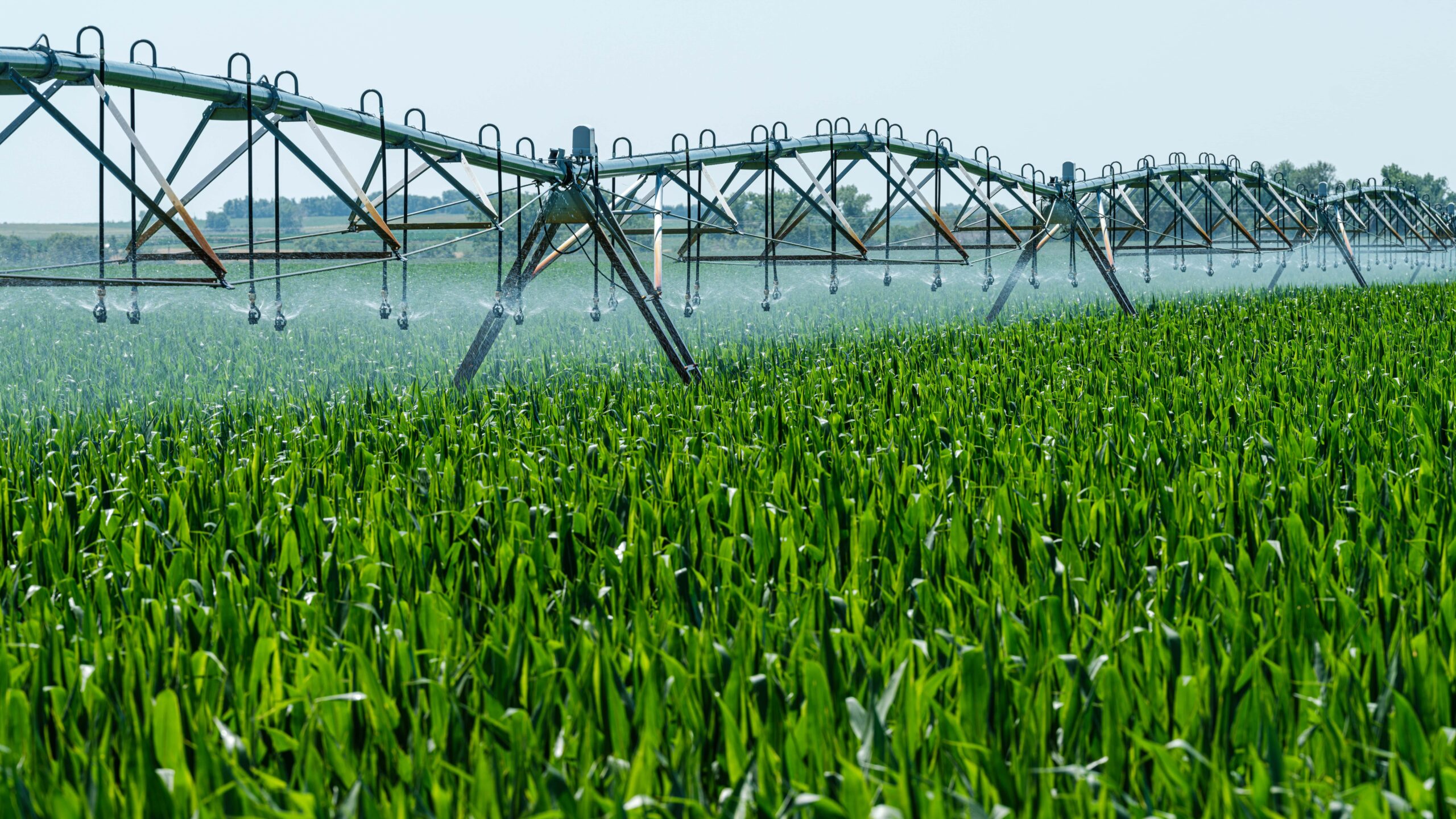
Introduction: A New Era for Kenyan Agriculture
Agriculture occupies a central position in Kenya’s economic structure, food system, and rural livelihoods, supporting an estimated 13 million farmers and pastoralists across the country. Under the Kenya Kwanza administration, the Bottom-Up Economic Transformation Agenda has repositioned the sector as a primary engine for national recovery, income stabilization, and shared prosperity. The reform agenda is anchored on the understanding that sustained agricultural productivity directly influences food prices, household welfare, export performance, and macroeconomic stability.
Policy execution under BETA emphasizes production-oriented interventions that strengthen output capacity rather than short-term consumption support. The strategy focuses on reducing the cost of farm inputs, improving access to modern agricultural services, safeguarding livestock assets, and stabilizing supply chains. These reforms are designed to lower the cost of living, advance food self-sufficiency, and expand Kenya’s agricultural export base. The transformation agenda is most visibly anchored in two flagship pillars: the national fertilizer subsidy Program and the livestock vaccination initiative.
Part 1: The National Fertilizer Subsidy Program
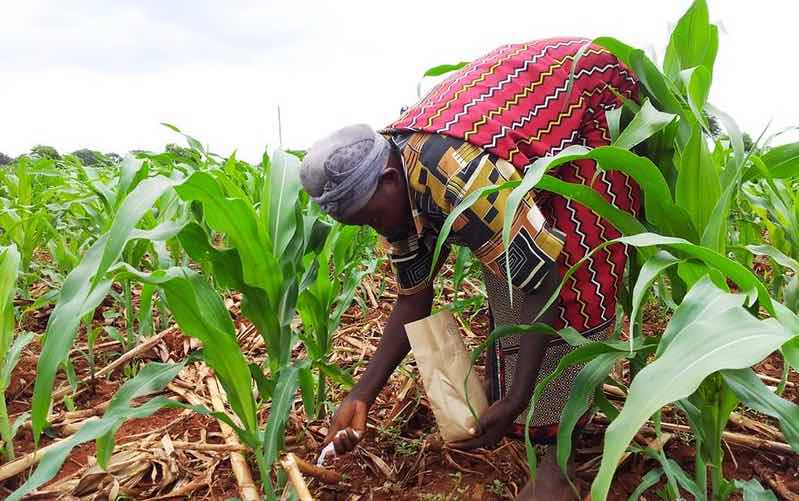
The fertilizer subsidy Program functions as a cornerstone of agricultural reform, structured to lower production costs, improve yield reliability, and stabilize national food availability. The Program integrates fiscal commitment, centralized procurement, nationwide logistics, and digital accountability to ensure consistent access to quality fertilizer for registered farmers.
- Strategic Price Stabilization
Price stabilization forms the foundation of the fertilizer subsidy Program, addressing affordability as the most significant constraint to smallholder productivity.
- Price Trajectory and Affordability Gains
Upon assuming office in late 2022, the administration initiated a phased reduction in the price of a 50-kilogram bag of fertilizer from approximately KSh 7,500 to KSh 3,500, before further capping the price at KSh 2,500 by 2024. This pricing framework expanded fertilizer uptake among small-scale farmers, enabling application of recommended input levels and improving agronomic outcomes.
- Cumulative Public Investment
Since inception, the government has invested an estimated KSh 40 billion in fertilizer acquisition and distribution. This sustained fiscal commitment reflects the prioritization of food production within national expenditure planning and provides predictability for procurement and seasonal rollout.
- Distribution Planning and Coverage Scale
The national distribution plan targets 12.5 million bags to support both long-rains and short-rains planting seasons. This scale ensures continuity of access, reduces seasonal shortages, and strengthens consistency in national production cycles.
- Digital Transformation and Accountability
Digital systems underpin the integrity and efficiency of the fertilizer subsidy Program, strengthening targeting accuracy and transparency.
- Farmer Registration Expansion
Registration under the Kenya Integrated Agricultural Management Information System (KIAMIS) expanded from 300,000 farmers in 2022 to over 7.2 million farmers. The registry provides a verified national farmer database that supports accurate targeting of subsidies, extension services, insurance, and future interventions.
- E-Voucher Distribution Framework
Subsidies are issued through secure digital e-vouchers delivered directly to farmers’ mobile phones. These vouchers are redeemable exclusively at National Cereals and Produce Board (NCPB) depots, ensuring controlled access to subsidized inputs and strengthening auditability.
- Leakage Control and Market Integrity
The digital voucher system has significantly reduced diversion of subsidized fertilizer into commercial markets. Real-time tracking enables monitoring of uptake patterns and depot-level accountability across all regions.
- Impact on Production and Food Costs
Consistent access to affordable fertilizer has translated into measurable improvements in agricultural output and household welfare.
- National Production Performance
Maize production increased from 34.3 million bags in 2022 to approximately 47.6 million bags in 2023, with subsequent harvest cycles projecting output approaching 70 million bags. Improved yields reflect enhanced input access, timely planting, and better soil nutrient management.
- Household Cost-of-Living Relief
Expanded domestic supply contributed to a decline in the retail price of a 2-kilogram packet of maize flour, easing from peak levels of KSh 250 to an average range of KSh 130–165. Price moderation supports household food security and reduces food-driven inflationary pressure.
- Import Substitution and Foreign Exchange Savings
Higher domestic output reduced maize import requirements by several million bags, conserving foreign exchange and strengthening national food self-reliance.
- Long-Term Sustainability and Local Manufacturing
To secure long-term input availability and reduce exposure to global supply disruptions, the government is advancing domestic fertilizer manufacturing capacity.
- Green Fertilizer Manufacturing Initiative
A geothermal-powered green ammonia fertilizer plant under development in Naivasha is designed to produce up to 480,000 metric tons annually. The project aligns agricultural input supply with Kenya’s renewable energy advantage while strengthening industrial value addition.
- Supply Chain Resilience
Local production is expected to stabilize fertilizer availability, moderate price volatility, and reinforce food production planning over the medium to long term.
Part 2: National Livestock Vaccination and Dairy Sector Transformation
The livestock sector occupies a foundational position within Kenya’s rural economy, food systems, and export architecture. Contributing approximately 12 percent of Gross Domestic Product and supporting over 10 million Kenyans, livestock production underpins household income, nutrition, employment, and foreign exchange earnings, particularly within arid and semi-arid regions. Cattle, sheep, goats, and dairy herds function as productive assets, savings instruments, and risk buffers for pastoral and agro-pastoral communities, making animal health a matter of national economic security.
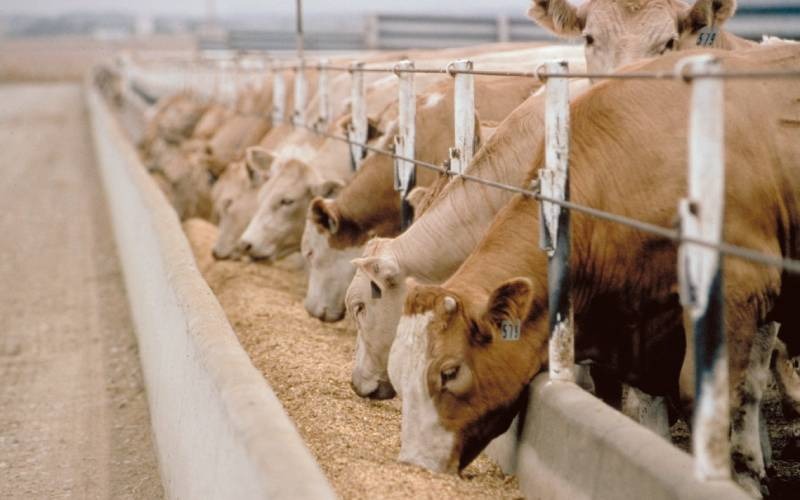
Under the Kenya Kwanza administration, livestock reform has been elevated from fragmented veterinary interventions into a coordinated national productivity and market-access strategy under the Bottom-Up Economic Transformation Agenda. The reform framework recognises that disease control, breeding quality, feed systems, and traceability are inseparable from income growth and export competitiveness. Beginning in early 2025, the government implemented a comprehensive livestock health and dairy transformation roadmap that integrates mass vaccination, local vaccine manufacturing, digital herd registration, and dairy value-chain reforms. The objective is to stabilise livestock productivity, protect pastoral wealth, and position Kenya as a reliable supplier within regional and international meat and dairy markets.
- The Three-Year Nationwide Vaccination Drive
The national vaccination drive is structured as a multi-year public good intervention designed to eliminate priority livestock diseases that suppress productivity, increase mortality, and restrict market access. The program treats animal health as an economic enabler rather than a reactive veterinary service.
- National Coverage Targets and Herd Protection
The campaign targets vaccination of 22 million cattle and 50 million sheep and goats over a three-year horizon. These targets are aligned with national herd demographics and disease-risk mapping, ensuring that both pastoral and mixed-farming systems are comprehensively covered. Herd-wide vaccination improves immunity thresholds, reduces outbreak cycles, and stabilises production across seasons.
- Implementation Scale and Operational Reach
During the first phase of implementation, the government achieved vaccination of over 7.5 million animals, including approximately 4.4 million sheep and goats and more than 750,000 cattle. This scale reflects coordinated mobilisation of veterinary officers, county governments, and field logistics, demonstrating the feasibility of nationwide animal health delivery at population level.
- Priority Disease Eradication Strategy
The vaccination focus includes Foot-and-Mouth Disease (FMD), Peste des Petits Ruminants (PPR), Lumpy Skin Disease (LSD), and Rift Valley Fever (RVF). These diseases have historically disrupted domestic trade, restricted cross-border movement, and disqualified Kenyan livestock from premium export markets. Systematic control strengthens herd survival rates, improves growth cycles, and restores market confidence.
- County-Level Deployment and Risk Targeting
Vaccination drives are rolled out based on epidemiological risk profiling. In counties such as Kitui, targeted campaigns covering approximately 85,000 cattle and 203,000 goats illustrate the program’s penetration into pastoral and agro-pastoral zones where disease exposure is highest. County-specific deployment improves effectiveness and resource efficiency.
- Local Production and Technological Integration
Sustainability of the vaccination program is anchored on domestic vaccine production and technology-enabled monitoring systems that support continuity, affordability, and accountability.
- KEVEVAPI Modernisation and Supply Security
Vaccines are produced locally through the Kenya Veterinary Vaccines Production Institute (KEVEVAPI), reducing dependence on imports and insulating the program from global supply disruptions. Modernisation investments are expanding production capacity toward 70 million doses, positioning Kenya to meet domestic demand consistently while supporting regional supply opportunities.
- Equitable Cost Structure and Shared Responsibility
Vaccination services are provided free of charge to small-scale and subsistence farmers, recognising livestock as a livelihood asset for vulnerable households. Commercial producers and large-scale ranchers contribute a subsidised nominal fee, such as KSh 50 per head of cattle for FMD vaccination. This graduated contribution model balances accessibility with long-term program sustainability.
- Digital Herd Registration and Traceability
Vaccinated animals are recorded within national digital databases, enabling herd identification, movement tracking, and disease surveillance. Digital traceability strengthens outbreak response, supports certification for domestic and export markets, and builds a foundation for modern livestock value chains.
- Market Expansion and Export Performance
Improved animal health outcomes have translated directly into stronger trade performance, higher producer returns, and expanded market access.
- Growth in Meat Export Earnings
Kenya’s meat exports increased from KSh 11.5 billion to KSh 18.7 billion, reflecting improved herd health, reduced disease-related rejections, and stronger compliance with sanitary requirements. Export growth strengthens foreign exchange inflows and positions livestock as a strategic export sector.
- Market Access and Standards Alignment
Compliance with World Organisation for Animal Health (WOAH) standards has enabled Kenya to access new markets in the Middle East, Europe, and Africa. Standards alignment supports predictable trade relationships, contract farming arrangements, and investment in processing infrastructure.
- Farmer-Level Economic Relief
Reduced disease incidence lowers veterinary treatment costs and mortality losses for farmers. Healthier animals achieve faster weight gain, improved reproductive performance, and higher milk yields. These gains contribute to a projected 35 percent increase in milk production and improved returns in beef production systems.
- Dairy Sector Reforms and Productivity Enhancement
Dairy reforms complement livestock health interventions by addressing productivity, pricing stability, and long-term herd improvement.
- National Milk Production Expansion
Annual milk output increased from 4.6 billion litres to 5.3 billion litres, driven by improved animal health, better breeding outcomes, and enhanced extension services. Production growth strengthens domestic supply and supports processing capacity utilisation.
- Income Stability for Dairy Farmers
The Average Guaranteed Minimum Return (AGMR) for milk rose from KSh 47.2 per litre to KSh 50, improving income predictability for dairy households and strengthening confidence to invest in feed, housing, and herd expansion.
- Breeding Cost Reduction and Genetic Improvement
The price of sexed semen was reduced from approximately KSh 8,000 to KSh 1,000 per dose, lowering entry barriers to improved genetics for small-scale farmers. This intervention accelerates herd quality improvement, increases milk yields per animal, and supports long-term productivity gains.
Part 3: Industrial Crops and Value Chain Growth
The third pillar of the Kenya Kwanza agricultural strategy concentrates on industrial crops that anchor export earnings, rural incomes, and import substitution. Tea, coffee, sugar, and edible oils occupy a strategic position within Kenya’s balance of trade and agro-industrial ecosystem. Under the Bottom-Up Economic Transformation Agenda, reforms in these value chains are structured to improve farmer remuneration, stabilize production systems, strengthen processing capacity, and retain greater value within the domestic economy. The focus extends beyond primary production to include pricing transparency, input support, research-driven productivity, and modernized market infrastructure.
- Tea Sector Modernization
Tea remains Kenya’s leading agricultural foreign exchange earner, supporting millions of households across high-potential regions. Current reforms prioritize improving returns to smallholder farmers while strengthening quality assurance and global competitiveness.
- Earnings Growth and Production Scale
Total tea earnings increased from KSh 154 billion to KSh 215 billion, supported by production volumes reaching 599 million kilograms. Revenue growth reflects improved market performance, pricing structures, and sector coordination.
- Improved Farmer Returns and Income Targets
Average farmer returns rose from KSh 50.19 to KSh 64 per kilogram of green leaf, strengthening household incomes and reinvestment capacity. The administration has articulated a medium-term objective of raising farmer earnings toward KSh 100 per kilogram, anchoring reforms around price stability and value enhancement.
- Quality Assurance and Market Confidence
Establishment of a National Tea Quality Assurance Laboratory in Mombasa strengthens independent testing, grading, and certification. This facility enhances traceability, protects Kenya’s premium brand positioning, and supports access to high-value international markets.
- Input Support for Cost Reduction
A targeted KSh 2 billion fertilizer subsidy for the tea sector lowers production costs for smallholders, supporting consistent yields and improving net returns at farm level.
- Coffee Sector Revival
Coffee reforms are restoring the crop’s position as a high-value income earner for rural households through pricing transparency, acreage recovery, and direct farmer payments.
- Cherry Price Recovery and Income Gains
Farm-gate cherry prices increased from KSh 78 to an average of KSh 120 per kilogram, reflecting improved market structures and reduced intermediary distortions. Some cooperative societies reported payouts exceeding KSh 110 per kilogram, strengthening farmer confidence and reinvestment incentives.
- Acreage Expansion and Production Recovery
Coffee cultivation expanded from 109,385 acres to 115,500 acres, signaling renewed farmer participation and recovery of previously abandoned farms.
- Direct Settlement System (DSS)
Implementation of the Direct Settlement System ensures that 80 percent of sales proceeds are paid directly to farmers’ accounts, with cooperative societies retaining 20 percent strictly for administrative services. This structure improves transparency, cash flow, and farmer control over earnings.
- Affordable Credit through the Coffee Cherry Advance Revolving Fund
Enhanced resourcing of the fund supports affordable credit access for smallholders, with a disbursement target of KSh 10 billion. Credit availability supports farm maintenance, input purchase, and yield improvement.
- Sugar Industry Restoration
The sugar sector is undergoing structured recovery following prolonged underinvestment, operational inefficiencies, and farmer arrears. Reforms focus on restoring milling capacity, improving farmer payments, and strengthening productivity.
- Revival of State-Owned Mills
Previously dormant mills including Chemelil, Sony, Nzoia, and Muhoroni have resumed operations under structured leasing arrangements. Operational revival restores local markets for cane farmers and stabilizes regional economies.
- Predictable Farmer Payments and Improved Pricing
Farmers now receive payments on a seven-day cycle, earning up to KSh 5,750 per tonne of cane. Predictable and improved returns support household income stability and renewed cane planting.
- Arrears Clearance and Sector Confidence
The government has set a firm timeline to clear outstanding arrears owed to farmers and former mill employees. Arrears resolution restores trust, strengthens supply relationships, and improves sector liquidity.
- Productivity Enhancement through Research
Introduction of 27 fast-maturing, high-yield cane varieties by the Kenya Sugar Research Institute addresses cane shortages, improves sucrose recovery, and shortens production cycles.
- Edible Oils and Import Substitution
The edible oils value chain has been prioritized to reduce dependence on imports and strengthen domestic agro-processing capacity.
- Expansion of Oil Crop Acreage
Land under sunflower and canola cultivation expanded from 60,000 hectares to 114,350 hectares, reflecting increased farmer uptake and structured extension support.
- Reduction in Import Expenditure
Increased domestic production has contributed to a KSh 17 billion reduction in the edible oil import bill, easing pressure on foreign exchange reserves.
- Processing Infrastructure Development
Establishment of a modern oilseed processing facility with an annual capacity of 85,000 metric tonnes strengthens local value addition, stabilizes farmer markets, and supports industrial growth.
- Medium-Term Production Targets
The Edible Oil Crops Promotion Project aims to raise local edible oil production from 34 percent to 50 percent of national demand, anchoring long-term self-sufficiency and value retention.
- Horticulture and Pyrethrum
Horticulture and pyrethrum represent high-potential value chains within Kenya’s agricultural diversification strategy, supporting export earnings, rural employment, and smallholder income resilience. Under the Bottom-Up Economic Transformation Agenda, interventions in these sub-sectors focus on crop diversification, market responsiveness, and institutional reform to stabilize farmer returns and restore confidence.
- Horticulture Value Chain Performance
The horticulture sector continues to play a critical role in export agriculture and domestic food supply. While segments of exotic vegetable exports experienced market and logistics pressures, production of African indigenous vegetables expanded by 13.7 percent, reflecting rising domestic and regional demand. At the same time, fruit value chains recorded strong performance, particularly bananas and avocados, driven by improved husbandry practices, aggregation, and growing access to regional and international markets. These trends strengthen smallholder incomes, enhance dietary diversity, and reduce vulnerability to single-crop export fluctuations.
- Pyrethrum Sector Recovery and Institutional Reforms
The pyrethrum sector is exhibiting early signs of recovery following prolonged decline linked to delayed payments and weak market coordination. Renewed emphasis on timely grower payments, institutional restructuring, and re-engagement with farmers has begun to restore production confidence. These measures support replanting, stabilize supply for local processing, and position pyrethrum as a strategic crop within Kenya’s natural insecticide and organic inputs market.
Part 4: Horticulture and the Revival of Pyrethrum
The fourth pillar of the agricultural transformation strategy under the Kenya Kwanza administration focuses on strengthening high-value export agriculture through targeted modernization of the horticulture sector and the deliberate revival of pyrethrum, a crop that historically anchored rural incomes and foreign exchange earnings. Under the Bottom-Up Economic Transformation Agenda, interventions in these value chains are designed to enhance export competitiveness, secure compliance with international standards, stabilize farmer earnings, and expand value retention within the domestic economy. The approach prioritizes technology adoption, regulatory reform, and structured market access to sustain long-term growth
- Horticulture Sector Performance and Modernization
Horticulture remains one of Kenya’s most dynamic agricultural export sectors, supporting extensive employment, foreign exchange inflows, and rural livelihoods through integrated outgrower networks.
- Export Revenue and Global Reach
The sector generated approximately KSh 136.6 billion in export revenue, with Kenyan flowers, fruits, and vegetables reaching over 70 international markets. These exports support more than 200,000 direct jobs and several million livelihoods across farming, logistics, packaging, and cold-chain services.
- Market Leadership in Floriculture
Kenya continues to supply approximately 40 percent of roses sold within the European Union, exporting over 60 million flower stems daily. This dominance reflects sustained investment in production efficiency, air-freight logistics, and quality assurance systems that support reliability in high-value markets.
- Digital Traceability and Standards Compliance
Introduction of the National Horticulture Traceability System strengthened compliance with sanitary and phytosanitary requirements, particularly for the European market. The system enhances farm-level traceability, pesticide residue monitoring, and certification, reinforcing Kenya’s credibility as a trusted exporter.
- Export Performance Momentum
During a recent reporting period, horticultural exports amounted to KSh 31.3 billion, with the Netherlands, the United Kingdom, and the United Arab Emirates serving as key destinations. This performance reflects diversification of markets and steady demand across flowers, fruits, and vegetables.
- The Resurgence of the Pyrethrum Industry
Pyrethrum revival is being pursued as a strategic intervention to restore Kenya’s position within the global natural pesticide market while rebuilding farmer confidence in high-altitude growing regions.
- Cultivation Expansion Targets
Under BETA, the administration is scaling pyrethrum cultivation from 9,362 acres to 80,000 acres across 18 high-altitude counties. Expansion focuses on suitable agro-ecological zones to support yield consistency and cost-effective production.
- Seedling Distribution and Farm Re-engagement
Distribution of one million high-quality pyrethrum seedlings has supported replanting and farmer re-entry into the value chain. Seedling quality and availability address previous production constraints linked to low plant vigor and inconsistent supply.
- Improved Earnings and Payment Discipline
Governance reforms, including reconstitution of the board of the Pyrethrum Processing Company of Kenya, have strengthened payment systems and transparency. Farmer payouts improved markedly, with dried flower earnings rising from KSh 236 million to over KSh 512 million annually, restoring confidence and production incentives.
- Regulatory Streamlining
Introduction of the Pyrethrum (Repeal) Bill, 2024 consolidated regulatory oversight under a single framework. This reform resolved institutional overlaps, improved coordination, and reduced administrative inefficiencies that previously undermined sector performance.
- Technology Integration and Input Support
Technology and targeted input support form the operational backbone of pyrethrum revitalization and horticulture sustainability.
- Digitized Input Subsidies
Integration of a digital e-voucher subsidy system improved targeting and accountability in the distribution of fertilizer and certified seedlings. Digital delivery strengthens transparency and ensures that support reaches active growers.
- Processing Infrastructure and Quality Enhancement
Deployment of modern pyrethrum dryers to farmer groups in key growing areas such as Bomet and Nakuru improved post-harvest handling, reduced moisture losses, and enhanced extract quality, directly improving farmer returns.
- Market Diversification and Export Expansion
While traditional markets including Belgium and the United States remain important, Kenya has successfully expanded refined pyrethrum extract exports to emerging destinations such as South Korea and Kazakhstan. Market diversification reduces dependency risk and strengthens long-term demand stability.
Part 5: Irrigation Expansion and Water Harvesting
Irrigation and water harvesting constitute the structural backbone of Kenya’s long-term food security and agricultural resilience agenda under the Kenya Kwanza administration. For decades, agricultural output remained overwhelmingly dependent on rainfall, exposing farmers, consumers, and the broader economy to cyclical droughts, volatile food prices, emergency imports, and fiscal pressure. This vulnerability constrained productivity, weakened farmer confidence, and limited the country’s ability to plan food systems beyond a single season.
Within the Bottom-Up Economic Transformation Agenda, irrigation is repositioned as a national economic investment rather than a sectoral intervention. Controlled water access is treated as a prerequisite for yield stability, multi-season production, value chain development, and rural income security. The irrigation strategy integrates flagship mega-schemes, public irrigation projects, and decentralized water-harvesting systems to ensure productivity gains are achieved at scale while remaining inclusive of smallholders and arid-area communities. Institutional coordination, performance contracting, and phased implementation anchor delivery and sustainability.
- Galana–Kulalu Food Security Project: National Anchor for Irrigated Agriculture
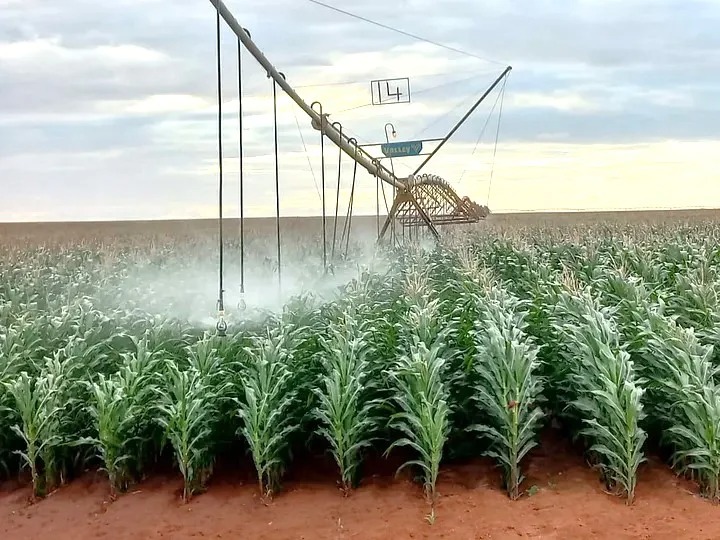
The Galana–Kulalu Food Security Project occupies a central position within Kenya’s irrigation framework as the largest and most strategically significant irrigated agricultural undertaking in the country. The project is designed to provide long-term depth to national food security by enabling large-scale, climate-resilient production of staple crops capable of stabilizing supply during drought cycles and absorbing demand shocks.
- Scale, Geography, and Strategic Significance
Galana–Kulalu spans over 1,000,000 acres across Kilifi and Tana River counties, making it the largest contiguous land reserve earmarked for irrigation-based agriculture in Kenya. Its location within the Galana River basin positions it as a permanent food production zone capable of complementing rain-fed systems and medium-scale irrigation schemes nationwide.
- Irrigation Design and Water Control Systems
The scheme abstracts water from the Galana River using pump-based systems supported by modular distribution infrastructure. Phased development enables expansion in line with water availability, energy efficiency, and environmental safeguards, allowing adaptive scaling and risk management.
- Commercial Farm Blocks and Private Sector Participation
The project is structured around commercial farming blocks operated through public–private partnership frameworks. This model supports professional farm management, mechanized production, structured cropping calendars, and integration with storage, milling, and processing facilities. Private sector participation strengthens operational discipline, capital mobilization, and market integration.
- Staple Crop Output and Strategic Grain Security
Galana–Kulalu is prioritized for large-scale maize production, with projected output running into several million bags annually at full operational scale. This capacity strengthens the Strategic Grain Reserve, moderates seasonal price volatility, and reduces reliance on emergency imports.
- Employment Creation and Regional Economic Spillovers
Large-scale operations generate employment across land preparation, irrigation maintenance, mechanized farming, transport, storage, security, and auxiliary services. The project stimulates economic activity, infrastructure utilization, and household incomes within surrounding counties.
- Climate Resilience and Macroeconomic Stabilization
By decoupling food production from rainfall variability, Galana–Kulalu provides a structural hedge against climate-induced supply disruptions. Stable irrigated output supports food price stability, fiscal planning, and macroeconomic resilience.
- National Irrigation Expansion and Water Harvesting Framework
Beyond Galana–Kulalu, the government is implementing a nationwide irrigation expansion program designed to unlock productivity across arid and semi-arid regions while supporting diversified crop systems.
- Expansion of Land Under Irrigation
National land under irrigation is being expanded from approximately 712,000 acres toward nearly 1,300,000 acres, with priority given to arid and semi-arid counties where irrigation delivers the highest marginal productivity gains.
- Large-Scale Dams and Distributed Water Storage
The framework includes construction of 6 large dams, complemented by hundreds of medium and small water-harvesting structures. These facilities capture seasonal runoff, stabilize water availability, and support multi-cycle farming across different ecological zones.
- Staple Crop Output Objectives
Through expanded irrigation schemes, the National Irrigation Authority targets irrigated rice production of 700,000 metric tonnes and maize output of 3,000,000 bags annually, reinforcing national food availability and import substitution.
- Public Irrigation Schemes and Delivery Performance
Implementation emphasizes unlocking stalled projects, strengthening institutional accountability, and accelerating delivery in high-impact regions.
- Lower Kuja Irrigation Project Expansion
Completion of compensation processes enabled expansion of the Lower Kuja Irrigation Project across over 7,700 hectares, supporting intensified rice, maize, and horticulture production while stabilizing livelihoods in western Kenya.
- Performance Contracting and Institutional Accountability
The National Irrigation Authority adopted performance-based contracting linking funding, timelines, and outputs. Priority regions include Mandera, Kisumu, Turkana, and Machakos, where irrigation delivers rapid productivity gains.
- Economic Returns and Import Reduction
Irrigation investments deliver projected benefit–cost ratios of up to 8:1, reflecting reduced crop failure, higher yields, and lower emergency import requirements. Expanded irrigation directly moderates a historical food import bill averaging USD 3 billion annually.
- Smallholder Irrigation and On-Farm Water Systems
Inclusivity remains central to the irrigation agenda, ensuring benefits extend beyond large schemes.
- On-Farm Irrigation Technologies
Promotion of drip, sprinkler, and solar-powered irrigation systems enables smallholders to intensify production, diversify cropping patterns, and stabilize incomes across seasons.
- Household and Community Water Harvesting
Farm ponds, water pans, and rooftop harvesting systems strengthen resilience to dry spells while supporting livestock watering, kitchen gardens, and fodder production.
- Income Stabilization and Rural Resilience
Reliable water access allows households to transition from subsistence cycles to market-oriented production, improving food availability and income predictability.
- Structural Outcomes and Long-Term Impact
The irrigation and water harvesting strategy delivers measurable national outcomes:
- Stabilized food supply
- Reduced climate-related production shocks
- Lower food import dependence
- Expanded rural employment and incomes
- Strengthened price stability and macroeconomic resilience
Conclusion: A Legacy of Abundance and Empowerment
The agricultural transformation under the Kenya Kwanza administration, anchored in the Bottom-Up Economic Transformation Agenda (BETA), reflects a deliberate shift toward productivity, resilience, and farmer empowerment. National policy has been realigned to strengthen production capacity, stabilize food supply, and secure rural livelihoods through structured investment in inputs, animal health, irrigation, and market access. This transformation has positioned agriculture as a reliable driver of food security, income stability, and macroeconomic balance.
- Strategic Milestones and Productivity Gains
The coordinated deployment of subsidized farm inputs, veterinary services, and market support has generated measurable outcomes across crop and livestock systems.
- Food Security and Yields
National maize output expanded by 38.9 percent, rising from 61.74 million bags to 85.7 million bags, strengthening domestic availability and stabilizing supply across multiple seasons.
- Cost of Living Relief
The retail price of a 2 kg packet of maize flour declined from KSh 250 to KSh 110, representing a 56 percent reduction. This shift translated directly into improved household purchasing power, particularly for low-income consumers, and moderated food inflation pressures across the economy.
- Livestock Health and Output Stability
The national livestock vaccination initiative targets 22 million cattle and 50 million sheep and goats, strengthening herd health and supporting an estimated 35 percent increase in milk production for dairy producers.
- Employment and Rural Economic Activity
Higher agricultural productivity and expanded value-chain activity supported the creation of over 150,000 jobs across farming, logistics, processing, and allied services, reinforcing agriculture’s role as a major source of rural employment.
- Technological and Structural Foundations
Digital systems and institutional reforms have underpinned delivery efficiency, transparency, and long-term sector credibility.
- Digital Accountability and Targeting
Digital registration of over 2.9 million farmers enabled precise targeting of subsidies, reduced administrative leakages, and ensured public resources reached active producers.
- Input Accessibility and Scale
Fertilizer distribution expanded by 514 percent, increasing from 1.4 million bags to 8.6 million bags, reflecting strengthened logistics, financing, and institutional coordination.
- Export Readiness and Global Alignment
Alignment with international livestock health standards positions Kenya for sustained export growth, with livestock exports projected to expand by 25 percent annually, strengthening foreign exchange inflows.
- Forward Trajectory and Sustainability Priorities
The administration has articulated clear priorities to consolidate gains and deepen long-term resilience.
- Production Scaling and Local Manufacturing
Annual fertilizer distribution targets 12 million bags, alongside plans to source 50 percent of national fertilizer demand from local production, strengthening supply security and cost discipline.
- Climate Resilience and Water Security
Expansion of irrigation systems and integration of drought-tolerant crops will support yield stability and protect farmers from climate variability.
- Comprehensive Farmer Support
The agricultural input package will continue to expand to include subsidized seeds and crop protection products, reinforcing a holistic productivity framework.
Agricultural fields are increasingly productive, livestock systems are healthier, and rural economies are more stable. Each unit of subsidized input delivered and every animal vaccinated contributes to a resilient food system and a more secure national economy, positioning farmers and pastoralists as central drivers of Kenya’s long-term prosperity.
