
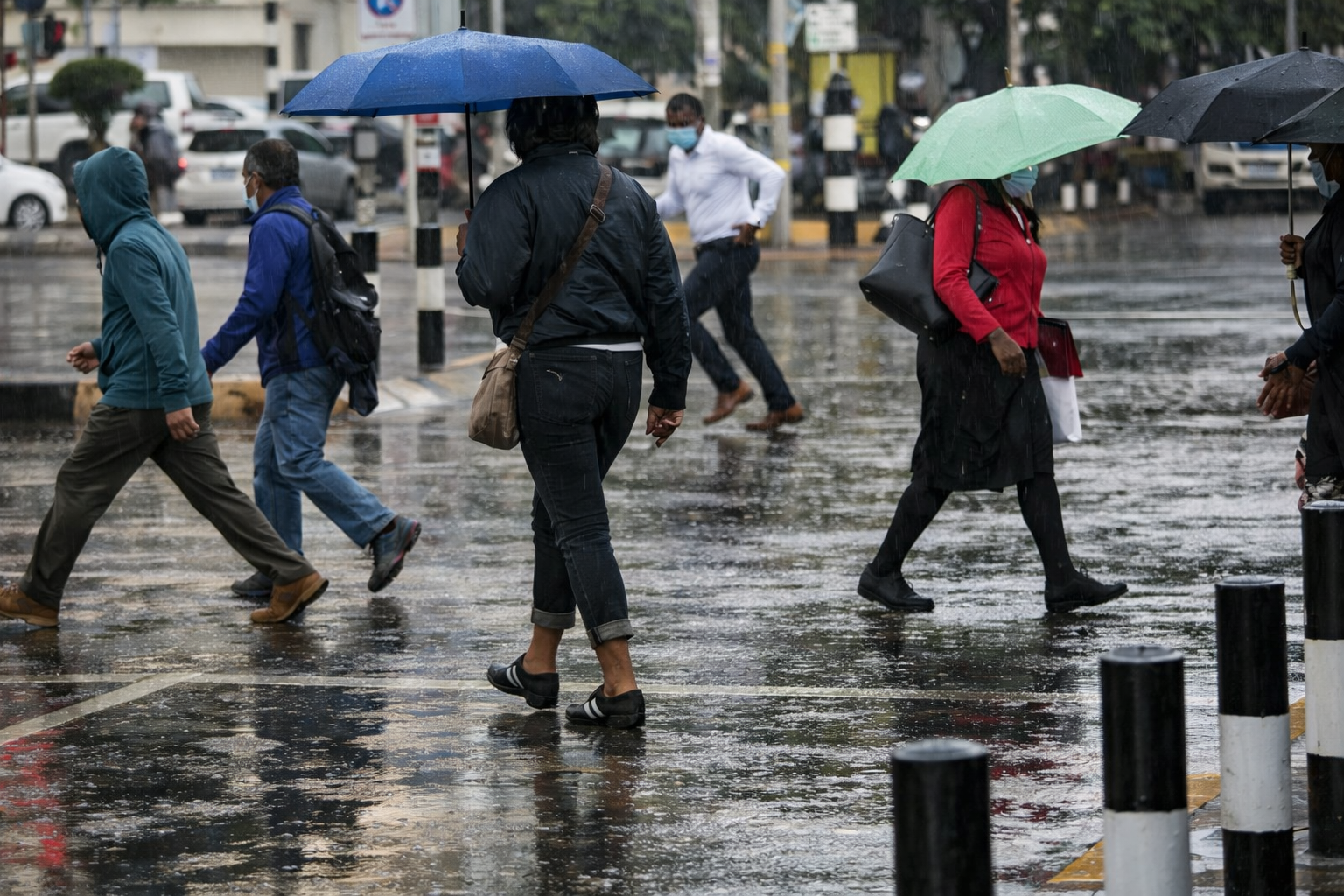
The Government of Kenya has officially initiated a comprehensive, multi-agency response to the March-April-May 2026 Long Rains season. As of March 6, 2026, the Kenya Meteorological Department (KMD) confirms that the rainfall has already intensified, with significant activity peaking between March 4 and March 7. This period marks a critical phase in the national disaster management calendar, requiring a coordinated effort to ensure the safety of citizens and the preservation of vital infrastructure.
Meteorological Context and National Outlook
Current data from the Kenya Meteorological Department indicates that heavy rainfall, exceeding 20mm within 24-hour windows, is affecting forty counties. The onset of the season occurred earlier than anticipated, with many regions in Western Kenya, the Lake Victoria Basin, and the Highlands East of the Rift Valley including Nairobi experiencing steady precipitation since mid-February.
The synoptic drivers for this season include moisture convergence over the East African Highlands and favorable sea surface temperatures in the western Indian Ocean. These conditions are projected to sustain moderate to heavy downpours through the first two weeks of March. While a brief reduction in intensity is expected by March 8 for some areas, the Lake Victoria Basin and the coastal strip are likely to see persistent rainfall extending into June.
The Role of the National Disaster Operations Centre (NDOC)
The government has activated the National Disaster Operations Centre (NDOC) to serve as the central hub for all mitigation activities. Under the direction of the Ministry of Interior and National Administration, the NDOC is providing real-time updates and coordinating the deployment of emergency resources.
A primary focus for the NDOC is the monitoring of high-risk zones, specifically low-lying areas and informal settlements where drainage capacity is easily overwhelmed. The government is working in tandem with the Kenya Red Cross to manage the displacement of approximately 347 households identified in the South Rift and Western Kenya. This partnership ensures that evacuation protocols are followed and that temporary shelters are equipped with necessary provisions.
Urban Infrastructure and Public Safety Directives
In urban centers like Nairobi, the county government and the Kenya National Highways Authority (KeNHA) are executing rapid interventions to maintain transport fluidity. The current strategy includes:
- Drainage Clearance: Dedicated teams are currently unblocking culverts and desilting major drains in the Central Business District and surrounding estates such as Westlands and Embakasi.
- Road Safety Alerts: The National Transport and Safety Authority (NTSA) has issued a nationwide alert regarding slippery road surfaces, reduced visibility, and fog. Motorists are urged to reduce speed and avoid crossing any road section covered by moving water.
- Riparian Management: The government has issued a mandatory directive for residents situated within 30 meters of riverbanks to relocate. This is a preventative measure against the unpredictable nature of flash floods, which can occur downstream even when local rainfall is absent.
Public Health and Community Resilience
The Ministry of Health has prioritized the prevention of waterborne diseases that often accompany the rainy season. Health officials are distributing water treatment kits and conducting public awareness campaigns on hygiene practices. Community health promoters are stationed in flood-prone sub-counties to monitor for signs of illness and to provide immediate assistance.
The use of technology has been central to this year’s response. Through a collaborative effort, over 17 million SMS alerts have been dispatched to Kenyans in vulnerable areas. These alerts provide localized weather updates and specific instructions on reaching safety, ensuring that every citizen has access to life-saving information.
Agricultural Resilience and Food Security Framework
The current precipitation levels, while presenting logistical challenges, offer a critical opportunity for the agricultural sector. The Ministry of Agriculture and Livestock Development has aligned its 2026 operations with the Bottom-Up Economic Transformation Agenda (BETA) to maximize the benefits of the heavy rains while mitigating potential losses. Current government actions focus on leveraging the moisture surplus to enhance national food reserves and support the livelihoods of smallholder farmers.
Climate-Smart Interventions and Resource Management
As of March 6, 2026, the State Department for Irrigation has accelerated the completion of strategic water harvesting projects. A notable example is the 150-million-litre Okundi Dam in Homa Bay, which is currently nearing completion. This facility serves a dual purpose: capturing floodwaters from the ongoing storms to protect lower-lying plains and providing a steady water supply for future irrigation.
The government is also promoting several climate-smart initiatives:
- Water Pan Construction: In counties such as Migori and Busia, the government is expanding the network of community water pans. These reservoirs are currently being filled by surface runoff, providing over 70,000 cubic meters of water that will support livestock and small-scale irrigation throughout the year.
- Input Distribution: To capitalize on the early onset of the long rains, the government has facilitated the distribution of high-yield, moisture-tolerant seed varieties and subsidized fertilizers. This ensures that farmers in the Rift Valley and Central Highlands can maintain their planting schedules despite the intensity of the current storms.
- Extension Services: County agricultural officers are currently on the ground, advising farmers on soil conservation techniques to prevent nutrient leaching and erosion caused by heavy downpours.
Livestock Protection and Veterinary Surveillance
In the pastoralist regions of the North and South Rift, the 2026 rains are significantly improving pasture and water availability. However, the increased moisture also raises the risk of vector-borne diseases. The State Department for Livestock has deployed veterinary teams to conduct the following activities:
- Disease Monitoring: Surveillance for Rift Valley Fever and other moisture-related ailments has been intensified in 20 counties.
- Vaccination Campaigns: Strategic vaccination drives are currently underway to protect livestock in areas receiving above-average rainfall.
- Fodder Conservation: The government is encouraging farmers to harvest and store excess pasture as hay or silage, creating a buffer for future dry spells.
Managing Post-Harvest Risks and Market Stability
The Ministry recognizes that high humidity levels can lead to significant post-harvest losses. To prevent spoilage and ensure the safety of the food supply, the government is implementing the following measures:
- Drying Infrastructure: Mobile grain dryers are being deployed to major production hubs to assist farmers in reducing the moisture content of early harvests, thereby preventing aflatoxin contamination.
- Market Access Coordination: The Ministry of Trade is working with the Ministry of Roads to ensure that agricultural produce reaches urban markets despite weather-related transport disruptions. This coordination is vital for maintaining stable food prices for consumers in cities like Nairobi and Mombasa.
- Storage Surveillance: Continuous monitoring of national grain reserves and private storage facilities is ongoing to assess the impact of the rains on existing stocks and to plan for future replenishment.
Economic Outlook and Strategic Planning
The 2026 Budget Policy Statement highlights the agricultural sector as a primary driver of the projected 5.3% GDP growth for the year. The government remains committed to transforming Kenya from a net importer to a net exporter of agricultural goods. By successfully managing the current rainy season, the State aims to achieve 100% food and nutrition security, ensuring that food remains available and affordable for all Kenyans.
Public Health Safeguards and Environmental Protection
The Government of Kenya is simultaneously addressing the health risks and environmental consequences of the 2026 long rains. Current interventions are designed to prevent disease outbreaks and protect the country’s natural ecosystems from the effects of extreme weather.
Disease Surveillance and Water Sanitation
The Ministry of Health has activated the National Disease Surveillance Unit to monitor areas receiving heavy rainfall. With over forty counties affected, the government is prioritizing the prevention of waterborne and vector-borne diseases. Key actions currently underway include:
- Distribution of Treatment Chemicals: Rapid response teams are delivering chlorine and water purification tablets to households in the Lake Victoria Basin, Western Kenya, and the Coastal region to ensure access to safe drinking water.
- Cholera Prevention: Health officials are conducting intensified monitoring in urban informal settlements and flood-prone counties such as Siaya, Homa Bay, and Kisumu, where the risk of contamination is elevated due to overflowing drainage systems.
- Vector Control: The State is distributing insecticide-treated nets and conducting indoor residual spraying in areas with stagnant water to mitigate the projected rise in malaria and Rift Valley Fever cases.
Environmental Conservation and Siltation Management
The heavy downpours present a threat to Kenya’s topsoil and water bodies. The Ministry of Environment, Climate Change, and Forestry is implementing measures to reduce the environmental footprint of the floods:
- Reforestation Protection: Recently planted tree seedlings under the 15 Billion Trees Initiative are being monitored to ensure they are not washed away. In the Central Highlands and Rift Valley, community forest associations are practicing silt-trapping to protect young plantations.
- Riparian Restoration: The government is enforcing the protection of riparian land to allow rivers to flow naturally, which reduces the velocity of floodwaters and protects surrounding biodiversity.
- Dam Safety and Siltation Control: Efforts are being made to clear silt from major river inlets to prevent the premature filling of reservoirs, ensuring that hydroelectric and irrigation dams maintain their storage capacity.
Long-Term Resilience and Urban Planning
The 2026 rainy season serves as a catalyst for refining Kenya’s urban resilience framework. The Ministry of Lands and Public Works is utilizing current flood data to identify flood hotspots that require permanent structural adjustments. This includes the expansion of storm drains and the elevation of critical roadways to ensure that future seasons do not result in the same level of disruption.
The government continues to urge the public to remain vigilant. With the rains expected to persist in several regions until June, the collective efforts of the state and its citizens remain essential in navigating the season safely.
Economic Resilience and the Post-Rainy Season Transition

As the peak of the heavy rainfall subsides, the Government of Kenya is shifting its focus from immediate emergency response toward sustained economic stability and recovery. The 2026 Budget Policy Statement identifies the current rainy season as a key foundation for the projected 5.3% GDP growth, with the effective management of water resources expected to strengthen productivity across the agricultural and energy sectors. This transition phase emphasizes infrastructure restoration, energy reliability, and economic safeguards designed to support national recovery after the rains.
Infrastructure Restoration and Energy Security
The Ministry of Energy and Petroleum reports that water levels in the Seven Forks dams and other hydroelectric facilities have reached optimal capacity. Increased hydropower generation is expected to stabilize electricity costs for both manufacturers and households during the second half of 2026. To safeguard this advantage, the government is undertaking the following measures:
- Conducting Structural Audits: Following the intense rainfall between March 4 and March 7, engineers are assessing the integrity of energy substations, transmission lines, and power distribution infrastructure that experienced prolonged exposure to high moisture levels.
- Restoring Connectivity: The Kenya Rural Roads Authority (KeRRA) has prioritized the rehabilitation of feeder roads within key agricultural zones in the North Rift and Western Kenya. These repairs will ensure uninterrupted transportation of farm produce to aggregation centers and markets following seasonal road damage.
- Urban Drainage Upgrades: Lessons from flooding along major urban corridors in Nairobi and Kisumu are being incorporated into the 2026/2027 fiscal infrastructure program. Planned interventions include expanded storm-water drainage systems, improved culvert capacity, and the use of permeable paving materials to improve urban water absorption.
Economic Stability and Food Price Management
The National Treasury continues to monitor the impact of the rains on inflation and supply chain stability. While heavy rainfall may create short-term logistical disruptions, the resulting increase in agricultural productivity provides a strategic pathway toward stabilizing the cost of food and essential commodities. Key government interventions include:
- Strategic Reserve Replenishment: As early-maturing crops enter the harvest cycle, the National Cereals and Produce Board (NCPB) will begin structured procurement to rebuild national grain reserves, strengthening the country’s preparedness for future climatic variability.
- Support for Small and Medium Enterprises (SMEs): Targeted credit facilities are being coordinated through the Financial Inclusion Fund (Hustler Fund) to support traders, transport operators, and small businesses whose activities experienced temporary disruptions due to flooding.
- Climate Risk Insurance Expansion: The government is expanding the Kenya Livestock Insurance Program (KLIP) to cover a wider pool of farmers and pastoralists, strengthening financial resilience against climate-related production losses.
A Unified Path Forward
The 2026 Long Rains season has demonstrated both the resilience of Kenyan communities and the effectiveness of multi-agency coordination across government institutions. The deployment of over 17 million SMS alerts, alongside the continuous operational oversight of the National Disaster Operations Centre, reflects a strong national commitment to protecting lives, livelihoods, and critical infrastructure.
As the country transitions into the post-rainy season recovery phase, the emphasis remains on vigilance, planning, and environmental stewardship. The Ministry of Environment, Climate Change, and Forestry continues to encourage nationwide participation in tree-growing initiatives, utilizing the favorable soil moisture conditions to advance the national goal of 15 billion trees. Through sustained coordination between government institutions, communities, and development partners, Kenya is strengthening its capacity to manage climate variability while laying the foundation for a more resilient and prosperous economy.
