

1st January 2025- 1st January 2026 Scorecard.
Part 1: The Macroeconomic Bedrock – Achieving Stability Through Fiscal Discipline
The year 2025 stands as a definitive turning point for the Kenyan economy, marking a successful transition from a period of high fiscal vulnerability to one of sustained macroeconomic predictability. On New Year’s Day 2025, the nation faced a complex set of challenges characterized by substantial external debt maturities and a currency that had experienced significant historical pressure due to global interest rate hikes. However, as we enter 2026, the landscape has been fundamentally reconfigured through a series of deliberate and often difficult policy choices. The government strategy of prioritizing production over consumption served as a vital cooling agent that successfully lowered national inflation and restored global investor confidence in the Kenya Shilling. This stabilization was not an accidental occurrence but the result of aggressive fiscal consolidation and a commitment to living within national means.
The Decisive Victory Over Inflation and the Cost of Living
Inflation is widely recognized by economists as a regressive tax that disproportionately affects low income earners by eroding their daily purchasing power and making basic survival a struggle. In 2025, the government broke the cycle of runaway prices by directly targeting the supply side of the economy, particularly in the food and energy sectors which carry the heaviest weight in the consumer price index.
- Scientific Management of the Inflation Target: Annual headline inflation plummeted from 6.3 percent in early 2025 to a remarkably stable 4.5 percent by December 2025. This achievement placed Kenya perfectly within the Central Bank of Kenya target range of 2.5 percent to 7.5 percent, signaling to global markets and credit rating agencies that the domestic economy had regained its equilibrium. By maintaining this rate, the government ensured that the real value of wages was preserved for the first time in nearly four years.
- The Impact of the Production Subsidy Model: By moving away from the old and inefficient model of consumption subsidies which primarily benefited large scale millers and intermediaries, the government instead funded farmers directly through subsidized fertilizers and high yield seeds. This structural shift attacked food inflation at its very source by increasing the supply of staples. This led to the retail price of a 2kg packet of maize flour stabilizing between 110 and 140 shillings throughout the year, which represents a 35 percent reduction from the 2023 peaks of over 200 shillings.
- Household Disposable Income Growth and Poverty Alleviation: This cooling of prices for basic staples acted as an immediate and effective pay raise for millions of Kenyan households. By reducing the portion of income spent on food, the government effectively freed up billions of shillings in disposable income. This wealth was then recirculated into other sectors of the local economy such as education, healthcare, and small scale investments, creating a secondary wave of economic activity in the informal sector.
- Transition to Accommodative Monetary Policy: As inflation remained consistently below the 5 percent midpoint for 16 consecutive months, the Central Bank of Kenya was able to shift its focus from aggressive tightening to supporting growth. By mid 2025, the benchmark Central Bank Rate was progressively lowered to 9.5 percent. This policy shift was intended to lower the cost of borrowing, signaling a future where commercial credit will become more affordable for the micro, small, and medium enterprises that form the backbone of the national economy.
- Energy Cost Stabilization and Production Efficiency: Beyond food, the government worked to stabilize the fuel and electricity components of inflation. By leveraging a stronger Kenya Shilling, the Energy and Petroleum Regulatory Authority was able to pass on savings to consumers. This reduced the operational costs for manufacturers and small businesses like salons and workshops, further dampening the inflationary pressure on finished goods and services.
Strengthening the National Pulse through the Shilling and Debt Management
The strength and stability of the Shilling serve as the most visible indicators of national economic health and investor sentiment. In 2025, Kenya successfully navigated a debt wall that many global skeptics and international observers believed would lead to a significant financial crisis or a technical default.
- Currency Resilience and Market Predictability: Following the extreme volatility seen in previous years, the Shilling firmed up significantly to trade at a stable average of KES 129.35 per US Dollar throughout 2025. This resilience was bolstered by increased foreign direct investment and a surge in diaspora remittances. This stability reduced the landing cost of imported essentials such as petroleum, industrial raw materials, and medicine, effectively preventing imported inflation from reaching the Kenyan consumer.
- Record Foreign Exchange Reserves as a Strategic Buffer: By the close of 2025, Kenya foreign exchange reserves reached record levels of over 10 billion US Dollars. This provided more than five months of import cover, which is well above the statutory requirement. These reserves act as a robust national insurance policy, providing the Central Bank with the necessary tools to intervene against speculative attacks and stabilize the financial markets during periods of global uncertainty.
- Revenue for Development and Fiscal Discipline: The Kenya Revenue Authority reported a record collection surpassing 2.57 trillion shillings for the fiscal year ending in 2025. This growth in ordinary revenue was driven by the integration of more taxpayers into the formal system through digital platforms like eTIMS. This increased revenue, combined with the successful settlement of major Eurobond obligations, led to a credit outlook upgrade from global agencies such as Moody’s and S&P.
- Aggressive Fiscal Deficit Reduction and Debt Sustainability: The government successfully narrowed the fiscal deficit to approximately 3.9% of Gross Domestic Product. This was achieved through a combination of enhanced revenue collection and a rigorous rationalization of non essential government expenditure. This move has shifted the nation toward a more self sustaining model where development is increasingly funded through domestic resource mobilization rather than an over reliance on expensive and often volatile foreign debt markets.
- Restoration of the Nairobi Securities Exchange: The macroeconomic stability achieved in 2025 breathed new life into the capital markets. Foreign investors who had previously exited the market returned in large numbers, drawn by the predictable currency and the improved profitability of listed firms. By December 2025, the NSE All Share Index had recovered significantly, reflecting a renewed belief in the long term prospects of the Kenyan corporate sector and the broader economy.
Part 2: Agriculture – The Engine of Production Led Growth
Focus Area: Food Security, Farmer Wealth, and Import Substitution
Agriculture remains the backbone of the Kenyan economy, contributing approximately 22% to the national Gross Domestic Product. In 2025, this sector underwent a fundamental shift from a state of stagnation to one of record breaking expansion, growing by a robust 6.0%. This growth was the direct result of a policy pivot where the government stopped subsidizing the price of food at the retail level and started subsidizing the cost of production at the farm level. By January 2026, this strategy has effectively lowered food inflation and increased rural household wealth across all 47 counties.
The Maize Miracle and National Food Sovereignty
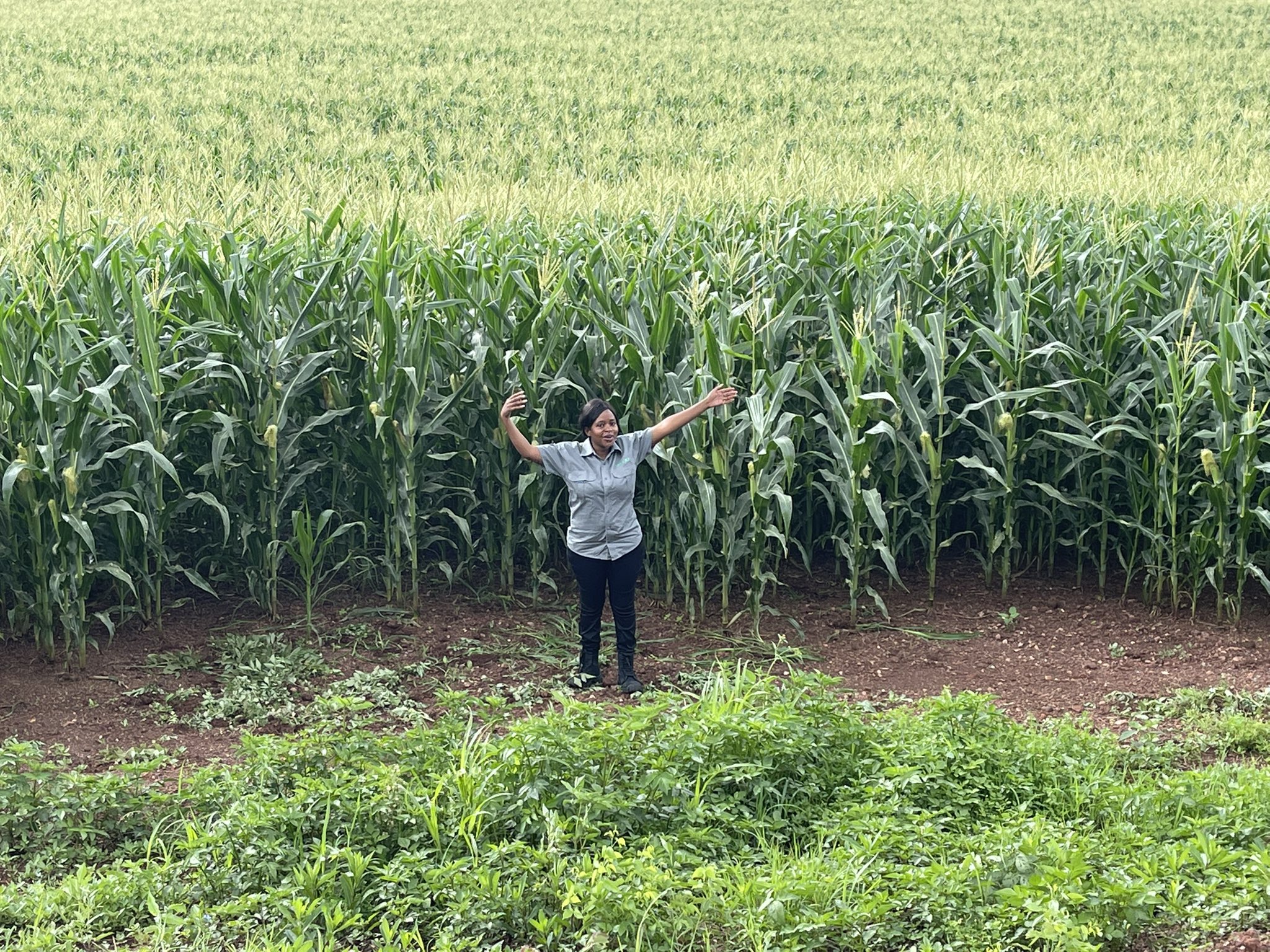
The most significant achievement of the 2025 agricultural calendar was the historic maize harvest, which effectively moved Kenya toward a state of food self sufficiency. This was achieved through a data driven approach that integrated technology with traditional farming.
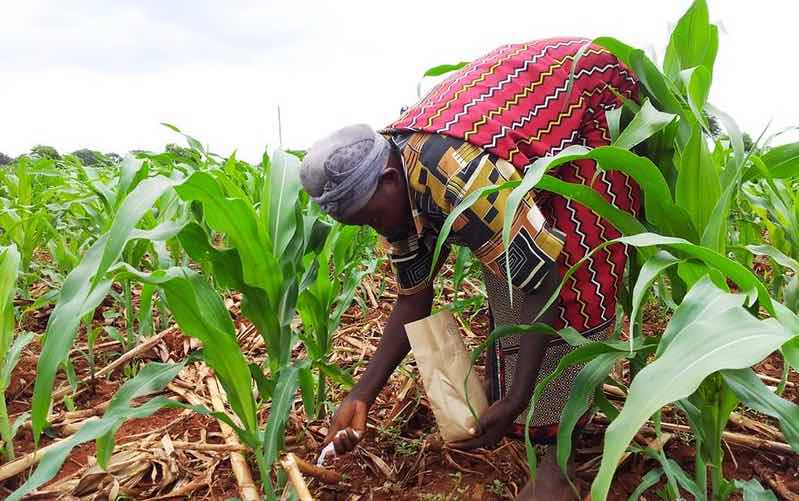
- Strategic Input Management and the 85.7 Million Bag Record: Through the digital E-voucher system, the government successfully distributed subsidized fertilizer and high yield seeds to over 4.2 million registered farmers. This intervention helped push national maize production to a staggering 85.7 million bags in 2025. This represents a 40.5% increase compared to 2024 levels, providing a massive surplus that secured the national food basket and eliminated the need for emergency grain imports.
- Drastic Reduction in Production Costs for Smallholders: The price of a 50kg bag of fertilizer was successfully fixed at KES 2,500 throughout the year. For a small scale farmer, this represented a 67% saving compared to the KES 7,500 prices seen in previous seasons. By lowering the entry cost of farming, the government incentivized millions of families to return to their land, resulting in a significant increase in the total acreage under cultivation.
- Market Price Stabilization and Consumer Relief: The massive supply of maize flooded local markets, causing the wholesale price of a 90kg bag to drop to approximately KES 3,500. For the urban consumer, this translated into a 2kg packet of maize flour retailing consistently between KES 110 and KES 140 throughout 2025. This 35% reduction in the price of the national staple provided the single largest relief to the Kenyan pocket in over a decade.
- Preservation of Foreign Exchange Reserves: By producing enough maize to meet local demand, Kenya was able to save billions in foreign exchange that would have otherwise been used to import grain from international markets. This reduction in the import bill played a secondary but vital role in strengthening the value of the KES against the US Dollar.
Revitalizing Cash Crops and Achieving Import Substitution
Beyond staple grains, 2025 saw an aggressive revival of sectors that have the highest potential for export earnings and the reduction of the national import bill. The strategy of import substitution focused on producing locally what the country previously bought from abroad.
- The Sugar Industry Turnaround through Strategic Leasing: The government successfully completed the leasing of four major state owned sugar mills including Nzoia and SonySugar. This move brought in private capital and modern milling technology, resulting in a 76% increase in local sugar production to 832,185 metric tons. By January 2026, the retail price of sugar has dropped from KES 220 per kg to an average of KES 150 per kg, significantly reducing the national reliance on expensive imported sugar.
- Dairy Productivity and the Guaranteed Minimum Return: The implementation of a price floor ensured that dairy farmers were paid at least KES 50 per liter of milk. This policy protected smallholders from exploitative middlemen and gave them the confidence to invest in better animal health and feed. National milk intake by formal processors crossed the 1 billion liter mark in 2025, which is a historic first that has positioned Kenya as a regional leader in the dairy value chain.
- Strengthening the Cold Chain Infrastructure: To support the dairy and horticulture sectors, the government partnered with counties to install over 500 new milk coolers and cold storage facilities. This reduced post harvest losses by an estimated 15%, ensuring that the produce from rural areas actually reached urban markets without spoiling, thereby stabilizing prices for the consumer.
- Coffee and Tea Reform Outcomes: Reforms at the Nairobi Coffee Exchange and the implementation of the Direct Settlement System saw coffee farmers earnings surge by over 80% in 2025, reaching KES 35.38 billion. Similarly, the removal of taxes on tea packaging materials encouraged local value addition, allowing Kenya to export branded tea to over 50 global destinations rather than selling it as raw bulk tea.
- The Edible Oil Independence Push: To address the KES 100 billion annual cost of importing cooking oil, the government provided over 480 metric tons of sunflower and canola seeds to farmers across 24 counties. By mid 2025, the area under edible oil production had nearly doubled to 114,350 hectares, laying the groundwork for long term savings in foreign exchange.
- Growth in the Blue Economy and Fisheries: Along the coast and around Lake Victoria, the government invested in new fish landing sites and processing plants. This allowed local fishermen to store their catch and negotiate better prices, increasing the contribution of the blue economy to the agricultural GDP by an estimated 1.2% in 2025.
Part 3: The Job Creation Engine – Housing and the Digital Superhighway
Focus Area: Mass Employment, Technical Skills, and the Gig Economy
The 2025 fiscal year was defined by a transition toward labor intensive infrastructure projects designed to absorb the hundreds of thousands of young people entering the workforce annually. By January 2026, the construction and Information and Communication Technology sectors have emerged as the primary drivers of new job creation, contributing significantly to the national employment rate. This has been achieved through a combination of mandatory statutory contributions and strategic public private partnerships that have turned previously dormant sites into bustling centers of economic activity.
Affordable Housing as a Catalyst for Industrial Growth
The Affordable Housing Program is a sophisticated industrial strategy designed to stimulate the manufacturing sector and provide direct employment to artisans at the base of the economic pyramid.
- Direct and Indirect Employment Generation: By September 2025, official reports from the Ministry of Lands and Housing confirmed that the program had generated over 330,000 direct and indirect jobs since its inception. As of January 2026, the administration has set an ambitious target to reach 1 million youth jobs within this sector by the end of the year, with approximately 600,000 young people currently absorbed into various project sites across the country.
- The Jua Kali Integration and MSME Support: A critical component of this program has been the deliberate inclusion of local artisans. By late 2025, approximately KES 11 billion had been channeled directly to Jua Kali artisans and Micro, Small, and Medium Enterprises involved in the production of doors, windows, and other construction materials. This has provided a predictable market for small businesses, allowing them to scale their operations and formalize their labor force.
- Massive Increase in Housing Units Under Development: The scale of construction has expanded exponentially, with over 130,000 units under active development by mid 2025, compared to fewer than 9,000 units in 2022. This represents a 1,061% increase in activity, necessitating a massive recruitment drive for masons, plumbers, electricians, and site managers across all 47 counties.
- Formal Recognition of Prior Learning: To improve the long term employability of the construction workforce, the government has certified hundreds of artisans through the Recognition of Prior Learning framework. This allows skilled workers who lacked formal papers to receive official accreditation, enabling them to negotiate for better wages and access higher level opportunities in the formal construction sector.
- Professional Internship Opportunities: In July 2025, the government launched 4,000 paid internships specifically for recent graduates in the building professions, including architects, surveyors, and construction managers. These twelve month placements are designed to bridge the gap between academic learning and industry requirements, ensuring a steady pipeline of professional talent for the national housing agenda.
The Digital Superhighway and the Global Labor Market
In tandem with physical construction, the expansion of Kenya digital infrastructure has opened up new frontiers for employment in the global gig economy and the local technology sector.
- Expansion of the Fiber Optic Backbone: By the end of 2025, the national fiber optic network had expanded to over 13,590 kilometers, up from 8,900 kilometers in 2022. This high speed connectivity serves as the essential infrastructure for the 1,450 ward level ICT hubs that are being rolled out across the country to provide youth with access to global digital jobs.
- Growth of the Digital Economy and Gig Work: Kenya digital economy is projected to reach a value of US$ 23 billion by 2026, accounting for nearly 9.24% of the national GDP. An estimated 1.9 million Kenyans are now engaged in digital jobs, with over 1.2 million specifically participating in online gig work, content creation, and software development.
- Establishment of Ward Level Digital Hubs: As of January 2026, over 400 digital hub sites are under various stages of construction or operation, providing free high speed internet and digital literacy training. These hubs are designed to ensure that youth in rural areas can compete for remote work opportunities in fields such as data entry, transcription, and digital marketing without the need to migrate to urban centers.
- Private Sector Collaboration in Connectivity: The government has strengthened partnerships with private sector players and technology investors to accelerate the rollout of 25,000 public Wi-Fi hotspots in markets and bus parks. This initiative has empowered thousands of small scale entrepreneurs to integrate digital payments and online marketing into their daily business operations.
- Targeted Skills Development for the Future: Capacity building programs are currently targeting 20 million citizens with basic digital literacy, while 10,000 ICT professionals are being trained in high level skills such as Artificial Intelligence and cybersecurity. This ensure that the Kenyan workforce remains competitive in an increasingly automated global economy.
Part 4: Social Protection and Health – Securing the Human Capital
Focus Area: Universal Health Coverage and the Vulnerable Population
The 2025 fiscal year marked the full operationalization of the Social Health Authority, which replaced the previous health insurance model with a more inclusive framework. By January 2026, the government has moved the focus from individual contributions to a household based model designed to ensure that no Kenyan is excluded from essential medical services due to poverty. This reform works in tandem with a revitalized social safety net for the elderly and vulnerable, ensuring that the economic gains seen in the macroeconomy are felt at the household level.
The Social Health Insurance Fund and Universal Access
The transition to the Social Health Insurance Fund was a primary objective of the 2025 health reforms. This shift was designed to broaden the pool of resources and provide a more comprehensive benefit package to all Kenyans regardless of their employment status.
- Broadened Enrollment and Registration Success: By January 2026, over 29 million Kenyans have been successfully registered under the Social Health Authority. This massive enrollment drive was supported by a digital registration portal and biometric verification at health facilities, which has significantly reduced the administrative delays and paperwork associated with the previous system.
- The Primary Healthcare Fund Model: One of the most impactful changes in 2025 was the establishment of the Primary Healthcare Fund. This fund ensures that every registered Kenyan can access free outpatient and inpatient services at dispensaries and health centers. This focus on primary care allows for early diagnosis and treatment of conditions before they become critical and expensive to manage.
- Equity in Contribution Rates: The regulations established a contribution rate of 2.75% of gross salary for the formal sector. For the informal sector, a means testing system was introduced to estimate the ability of households to pay, ensuring that the burden of healthcare financing is distributed fairly based on income.
- Enhanced Benefit Packages for Critical Care: Under the new fund, coverage has been expanded to include major surgeries, mental health care, and specialized treatments such as oncology and dialysis. The government also enhanced the Linda Mama program, ensuring that expectant mothers receive comprehensive prenatal and postnatal care at no cost, which has directly contributed to a reduction in maternal mortality rates.
- Reimbursement and Financial Stability for Providers: The adoption of a Global Budget Model in late 2025 has improved the financial stability of healthcare providers. Payouts under the Primary Healthcare Fund reached nearly KES 11 billion by December 2025, while over KES 72 billion was disbursed through the Social Health Insurance Fund to support specialized treatment and hospital admissions.
Professionalizing Community Health and the Social Safety Net
The 2025 reforms recognized that healthcare begins at the community level. The professionalization of Community Health Promoters has provided the necessary human resource to bridge the gap between households and the formal health system.
- The Empowerment of Community Health Promoters: In 2025, the government successfully equipped 100,000 Community Health Promoters with standardized kits containing essential diagnostic tools. These promoters are now integrated into the electronic Community Health Information System, allowing for real time tracking of health trends at the village level.
- Improved Referral Efficiency and Outcomes: The work of these promoters has led to significant improvements in health outcomes. By detecting illnesses early and referring patients to the appropriate facilities, the community health workforce has played a central role in lowering the overall cost of care and improving survival rates in rural areas.
- The Inua Jamii Digital Transformation: To protect the most vulnerable members of society, the government expanded the Inua Jamii cash transfer program to reach over 1.2 million beneficiaries by late 2025. The transition to a fully digital payment system via mobile money and authorized bank agents has eliminated the long queues and security risks previously faced by the elderly and persons with disabilities.
- Timely Disbursement and Predictability: Throughout the 2025 cycles, the government maintained a consistent schedule of monthly disbursements of KES 2,000 per beneficiary. This has provided a reliable safety net for older persons, orphans, and persons with severe disabilities, allowing them to meet their basic needs with dignity.
- Expansion Toward Universal Coverage for the Elderly: Following a presidential directive, the program is being expanded to reach more beneficiaries in 2026. This phased expansion is designed to ensure that every Kenyan aged 70 and above receives a stipend, further reducing the incidence of extreme poverty in old age.
Part 5: The 2026 Economic Outlook – Sustainability and Growth
Focus Area: Fiscal Resilience, Credit Ratings, and Long Term Stability
The progress achieved in 2025 has provided a foundation for a more resilient economy in 2026. Global financial institutions and credit rating agencies have acknowledged this shift, with the national growth rate projected to reach 5.5% by the end of the year. This optimism is driven by the cooling of borrowing costs and the continued recovery of the agricultural and industrial sectors. However, the government remains focused on the delicate balance of funding critical infrastructure through the Bottom Up Economic Transformation Agenda while strictly adhering to a path of fiscal consolidation to manage the KES 12 trillion public debt.
The Return of Global Confidence and Credit Upgrades
A significant indicator of the success of the 2025 reforms is the positive shift in international sentiment toward Kenya’s sovereign creditworthiness.
- Upward Revision of Sovereign Credit Ratings: In late 2025, global agency Standard and Poor’s upgraded Kenya’s sovereign credit rating to B with a stable outlook. This upgrade reflects the recession of near term external liquidity risks and the successful narrowing of the current account deficit to approximately 1.3% of GDP.
- Lowering the Cost of International Borrowing: The improved credit rating has already begun to reduce the risk premium that Kenya pays on the international stage. This allowed for successful liability management operations, including the issuance of new bonds at lower interest rates to prepay upcoming maturities, effectively stretching the debt repayment schedule and reducing the annual interest burden.
- Surge in Foreign Direct Investment: The predictability of the KES and the steady decline in inflation have encouraged the return of foreign investors to the Nairobi Securities Exchange. Equity turnover has doubled compared to previous years, with high growth sectors like electric vehicle assembly and green energy attracting significant capital from global development partners.
- Growth in Diaspora Remittances: Diaspora remittances have remained a vital pillar of the macroeconomic framework, reaching record highs in 2025. These inflows have provided a steady supply of foreign exchange, supporting the KES 10 billion reserve buffer and ensuring that the country can meet its external obligations without straining the domestic market.
Strategic Priorities for the 2026/2027 Fiscal Year
As the government prepares the budget for the 2026/2027 cycle, the priorities are focused on scaling up existing successes while addressing remaining gaps in the labor market and infrastructure.
- Sustaining the Agricultural Productivity Leap: The 2026/2027 plan prioritizes the revitalization of agricultural extension services with a target to reach at least 70% of registered farmers. This will include training on drought resilient crops and the promotion of solar powered irrigation technologies to ensure that production remains high even during periods of erratic rainfall.
- Expanded Fiscal Allocation for Social Pillars: The draft budget for the upcoming cycle includes increased allocations for the Digital Superhighway and Universal Healthcare Coverage. Approximately KES 138.1 billion has been earmarked for the digital infrastructure, while the Social Health Insurance Fund will receive continued support to ensure the transition to household based health coverage is fully funded.
- Targeting a Reduced Fiscal Deficit: While the government expects a financing gap of approximately KES 1 trillion in the next year, the long term model projects the fiscal deficit to trend around 4.9% of GDP. This reflects a commitment to domestic resource mobilization through digital tax systems like eTIMS, which have already significantly improved the efficiency of KRA collections.
- Industrial Growth through Value Addition: To further reduce the import bill, the 2026 outlook emphasizes the establishment of ward level aggregation centers and processing plants. This will allow farmers to add value to their produce locally, creating more jobs in the manufacturing sector and ensuring that Kenya exports finished goods rather than raw commodities.
- Mitigating External and Climate Risks: The 2026 strategy incorporates climate change mitigation as a core fiscal principle. By investing in water harvesting and sustainable land management, the government aims to protect the agricultural gains of 2025 from the threats of climate volatility, ensuring that food prices remain stable for the long term.
